Architectural Styles: Spot, Compare, and Use Classic Design
Want to tell a Gothic arch from a Greek column at a glance? Or figure out whether a house is Colonial, Craftsman, or a later Revival? This page helps you recognize major architectural styles, pick features you can use in your home, and learn where to look next for deeper reading on each style.
How to identify a style fast
Start with five quick checks: roof shape, windows, ornament, materials, and building layout. A steep roof with half-timbering screams Tudor. A low-pitched roof, exposed rafters, and built-in woodwork point to Craftsman. Rounded arches, heavy stone walls, and small windows usually mean Romanesque. Domes, mosaics, and a central-plan layout are classic Byzantine cues—think Hagia Sophia. Spotting a gambrel roof? That’s a strong hint of Dutch Colonial Revival.
Look for signature elements: columns and pediments for Greek Revival, pointed arches and stained glass for Gothic Revival, lavish curves and dramatic staircases for Baroque, and flowing natural lines for Art Nouveau. Postmodern buildings often mix historical references with bright colors or ironic details, while Expressionist architecture uses unusual shapes to evoke emotion. Those quick visual markers get you most of the way there before you need to read a plaque.
Using styles in your home or while traveling
Want a style in your house without copying a museum? Pick one or two signature elements and adapt them. Add Greek Revival appeal with simple columns on a porch and a symmetrical façade. Bring Craftsman warmth with wood trim, built-in shelving, and visible joinery. If you like ornament but not the upkeep, choose faux finishes—painted trim, modern moldings, or LED-lit niches can mimic historical drama without the cost.
When traveling, focus your attention. In cities, public buildings often show Greek Revival or Baroque grandeur. Old neighborhoods reveal Colonial, Georgian, or Federal houses. Churches and cathedrals are the best classrooms for Gothic, Romanesque, and Byzantine details. Carry a camera and one short note on each style—after a few trips you’ll start spotting patterns instantly.
Restoration tips: document everything, match materials where possible, and hire a conservator for historic details like mosaics or frescoes. For homes that aren’t listed historic, prioritize structural fixes, roof integrity, and moisture control before cosmetic work. Authentic-looking results come from layering: structural repair, correct materials, then surface details.
Want to read more? Explore individual articles on this site for deep dives: Byzantine domes, Gothic Revival arches, Renaissance Revival ornament, or the simple logic of Ranch and Craftsman homes. Each style has clear signs—once you know them, buildings tell their stories. Which style do you want to learn about next?
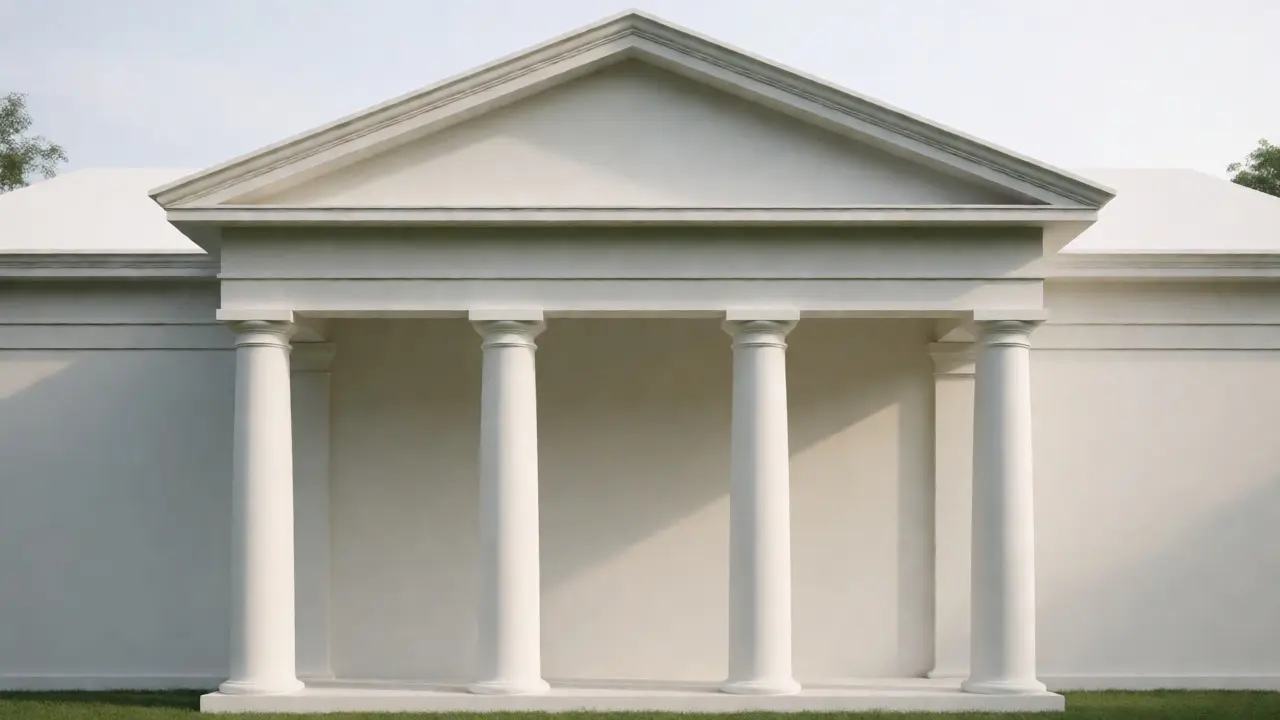
Greek Revival Architecture: The American Style That Shaped Democracy
Discover why Greek Revival architecture became the face of American democracy. Learn to identify key features like temple fronts and Doric columns, understand the political symbolism behind the style, and get practical tips for preserving these historic landmarks.
Read more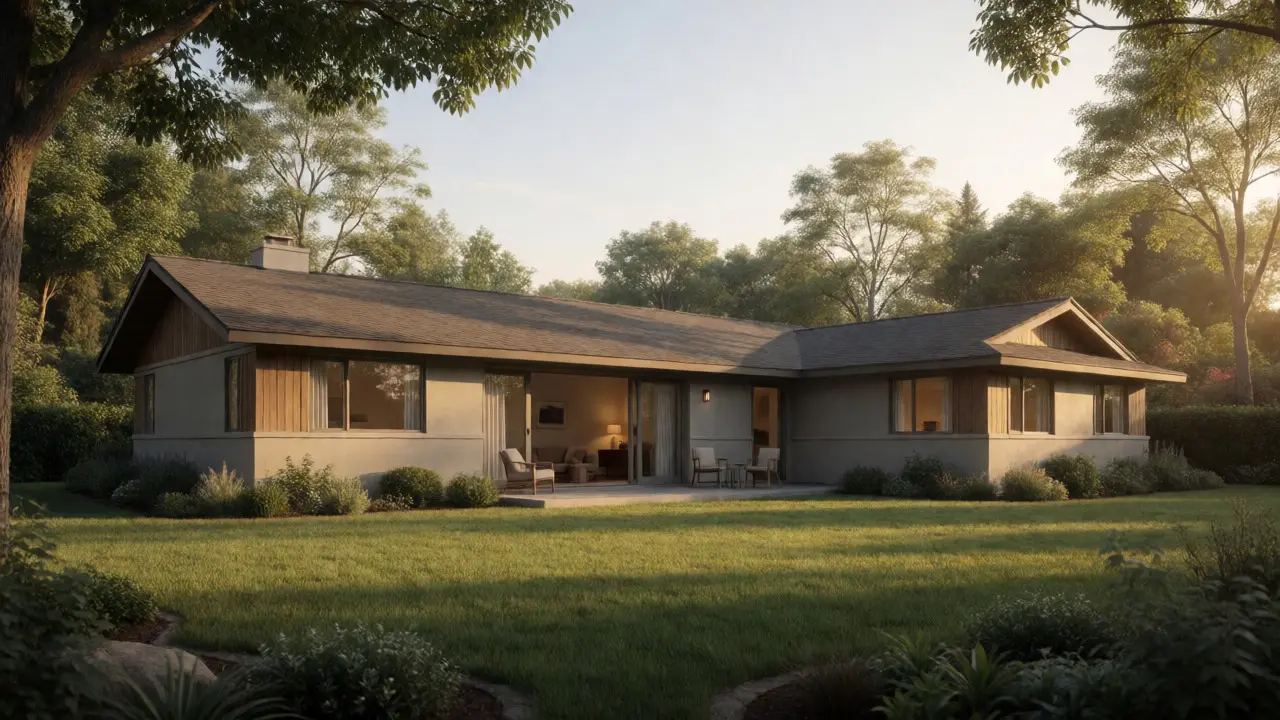
Why the Ranch-Style House Never Goes Out of Style
Discover why the ranch-style house remains a top choice for modern buyers. Explore its history, benefits, and tips for renovating this timeless single-story home.
Read more
The Enduring Charm of the Ranch-Style House
Discover why the ranch-style house remains a top choice for homeowners. Explore its history, key features, and practical benefits for modern living.
Read more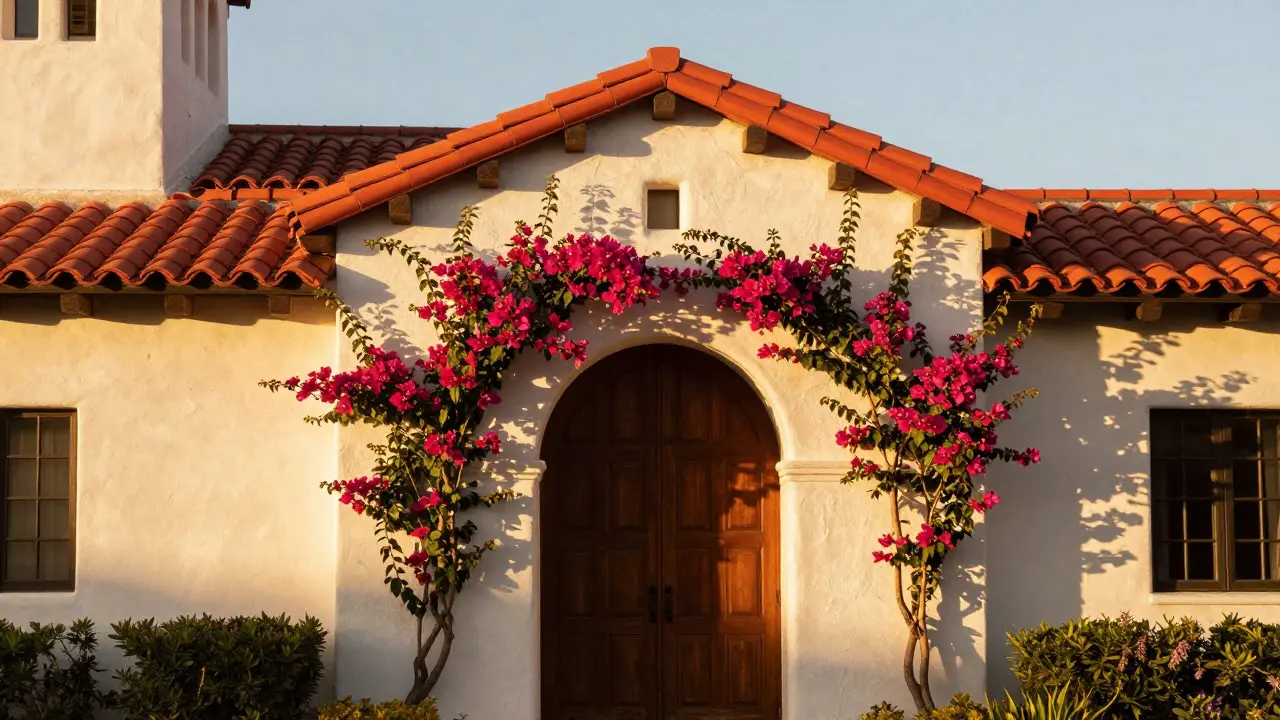
Mediterranean Revival Architecture: A Guide to Old-World Charm
Discover why Mediterranean Revival architecture remains a top choice for homeowners. Learn about its key features, historical roots, and tips for blending old-world charm with modern comfort.
Read more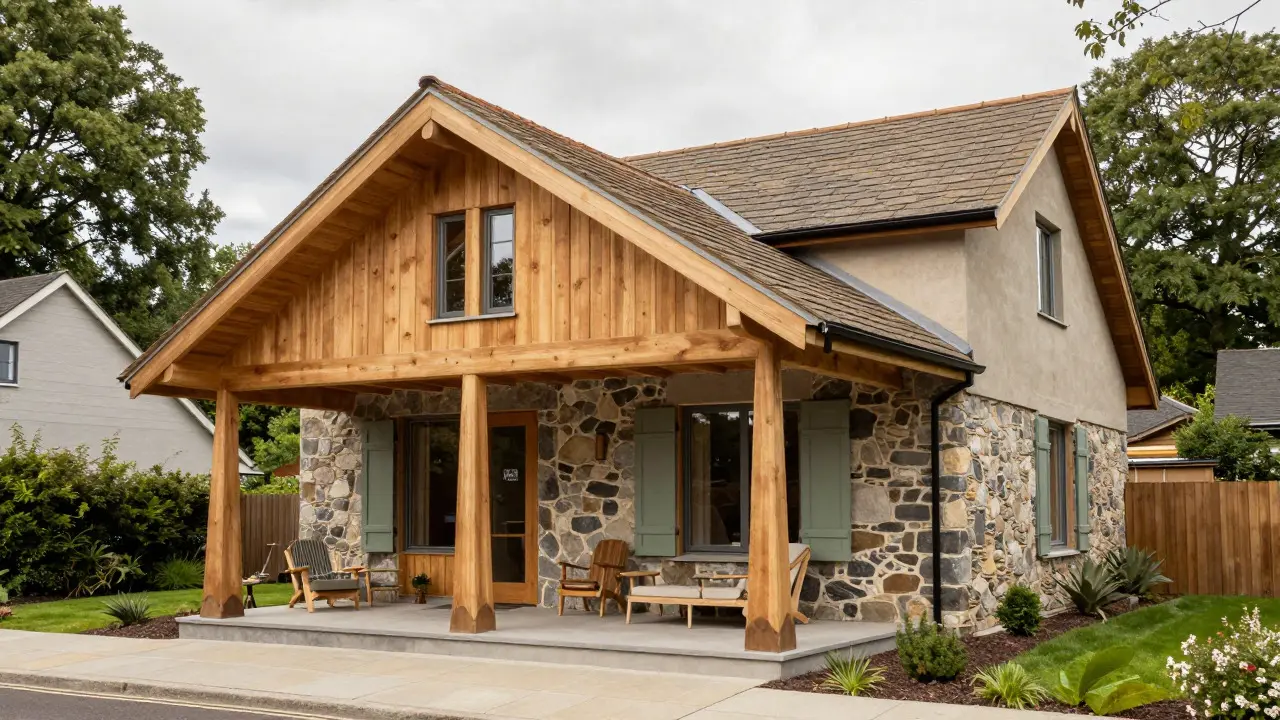
Why American Craftsman Homes Are the Top Choice for Builders in 2026
Discover why American Craftsman homes remain a top choice for builders in 2026. Explore the blend of durability, sustainability, and timeless design that makes this style both profitable and beloved by homeowners.
Read more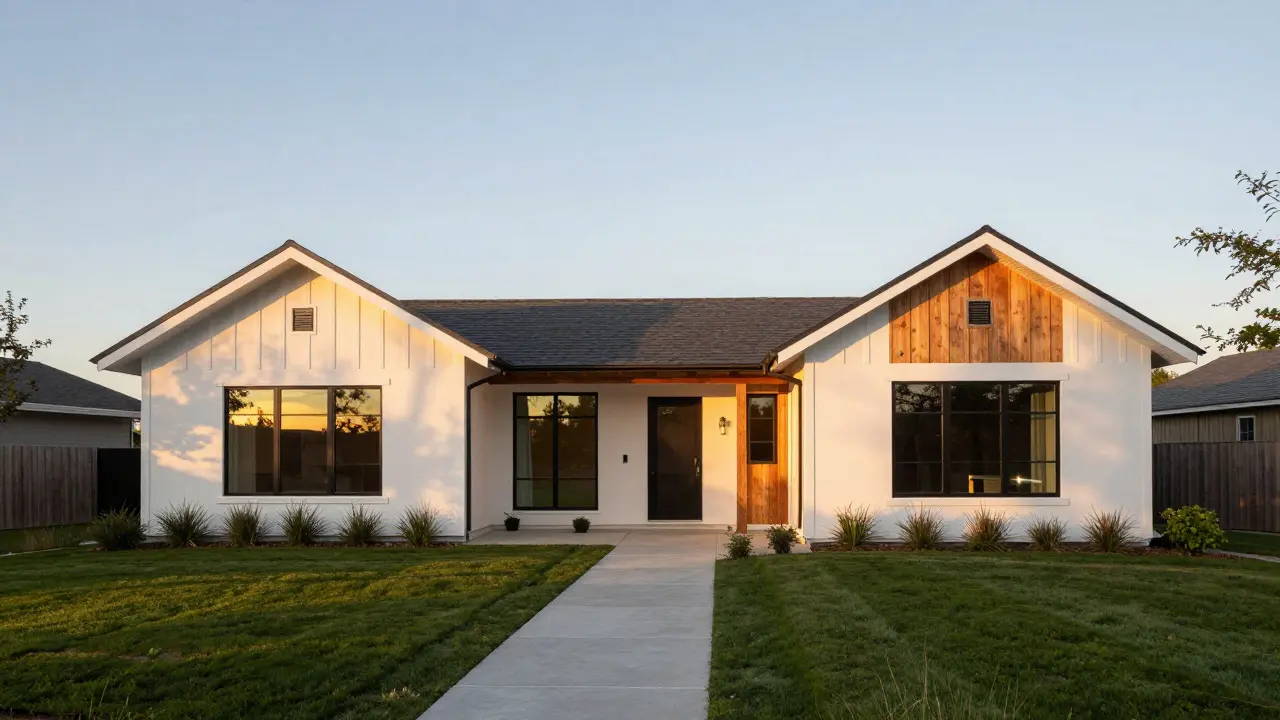
Ranch-Style House: A Classic Design with a Modern Twist
Explore how the classic ranch-style house is evolving with modern design twists. Learn about sustainable features, open layouts, and why this single-story home remains a top choice for contemporary living.
Read more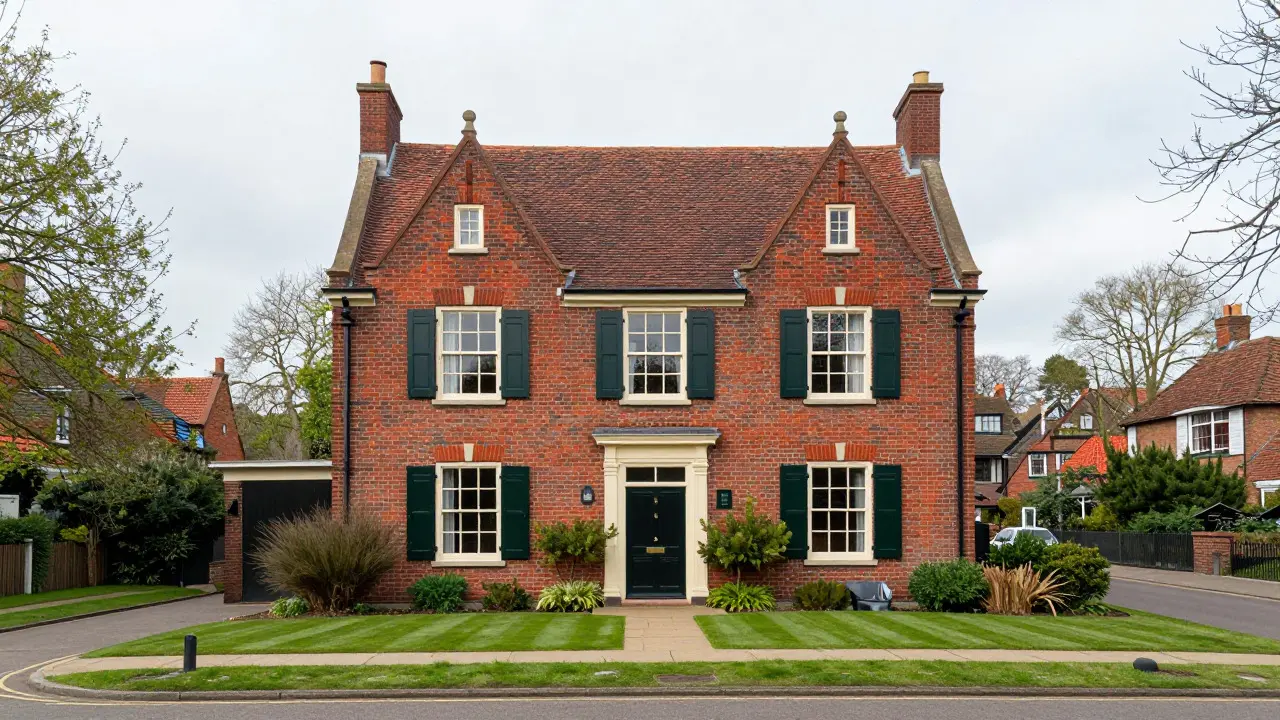
Dutch Colonial Revival Architecture: Features, History & Design Guide
Explore the defining features, history, and maintenance tips of Dutch Colonial Revival architecture. Learn why this style remains popular and how to spot its unique gambrel roof.
Read more
Constructivist Architecture: The Science, Materials, and Legacy of a Radical Movement
Explore the radical world of Constructivist architecture, from Tatlin's unbuilt tower to the surviving Narkomfin building. Discover how this Soviet-era movement used industrial materials to shape society.
Read more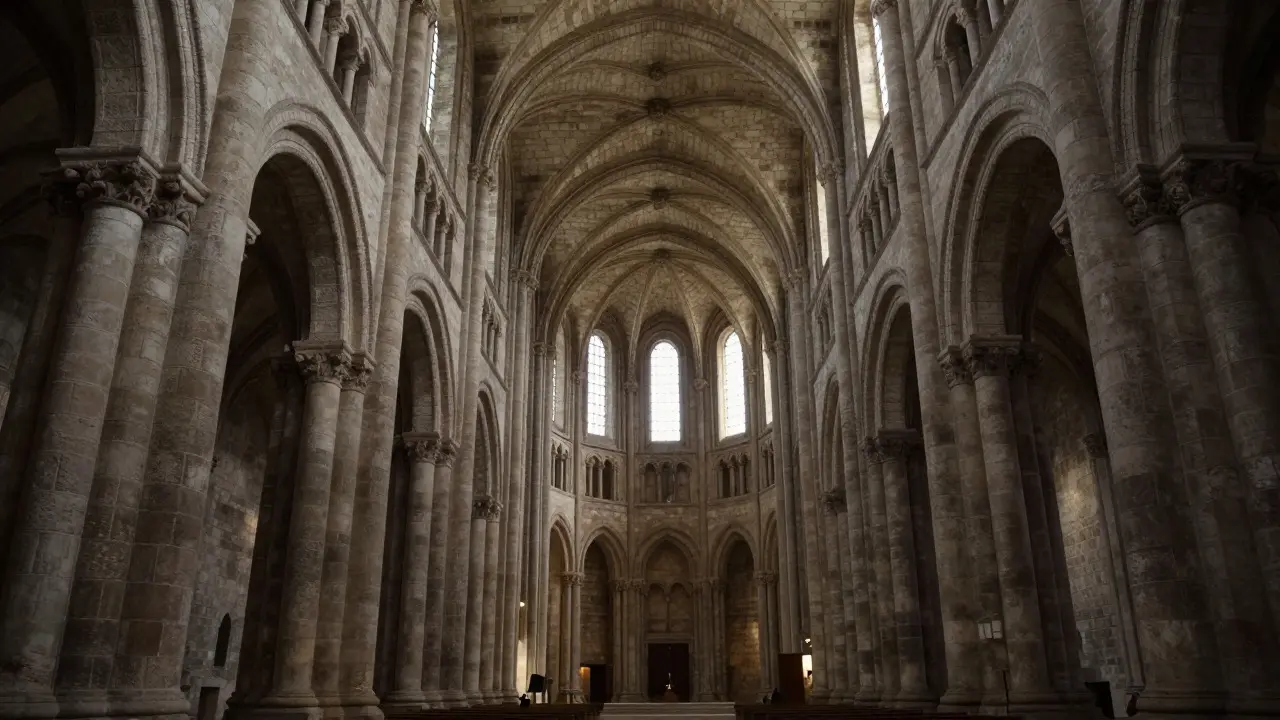
How Romanesque Architecture Shaped Europe: A Complete Guide
Explore how Romanesque architecture defined medieval Europe through thick walls, rounded arches, and pilgrimage routes. Learn the key features, regional variations, and its lasting impact on history.
Read more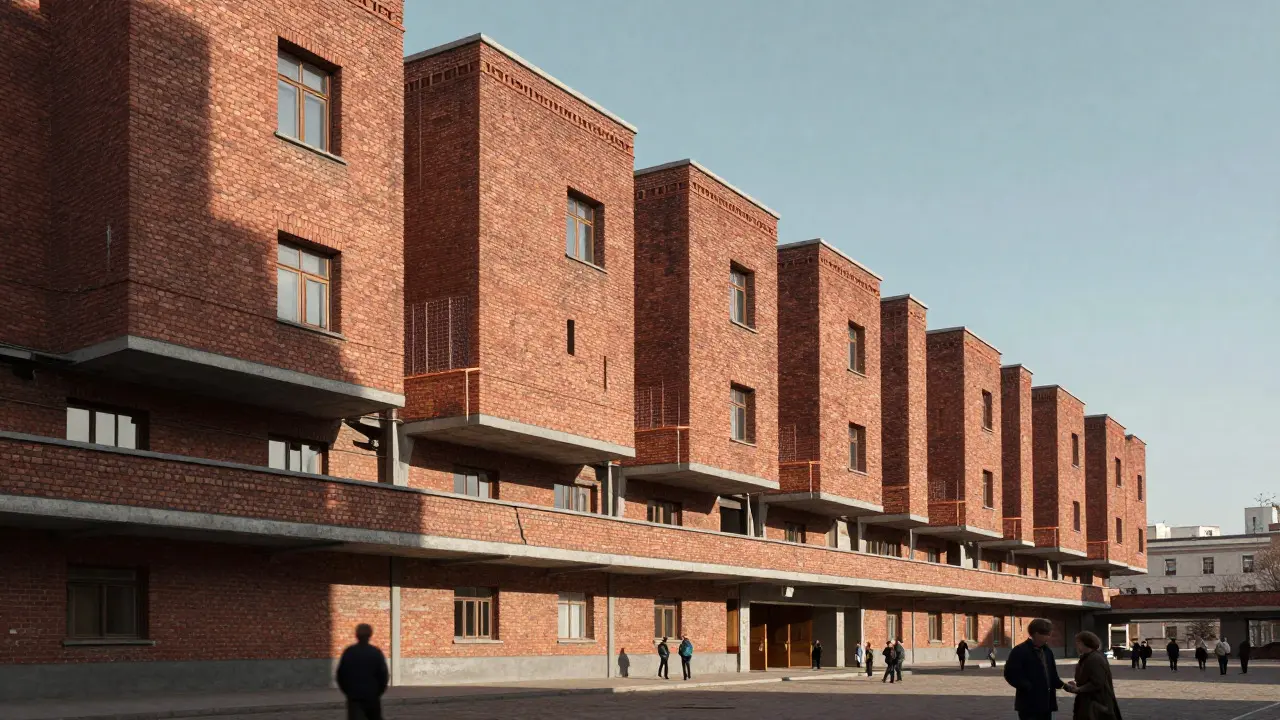
Constructivist Architecture: How Radical Design Shaped Society
Explore how Constructivist architecture used radical design to promote social equality and collective living in post-revolutionary Russia.
Read more