Mediterranean Revival Architecture: A Guide to Old-World Charm
 Aug, 29 2026
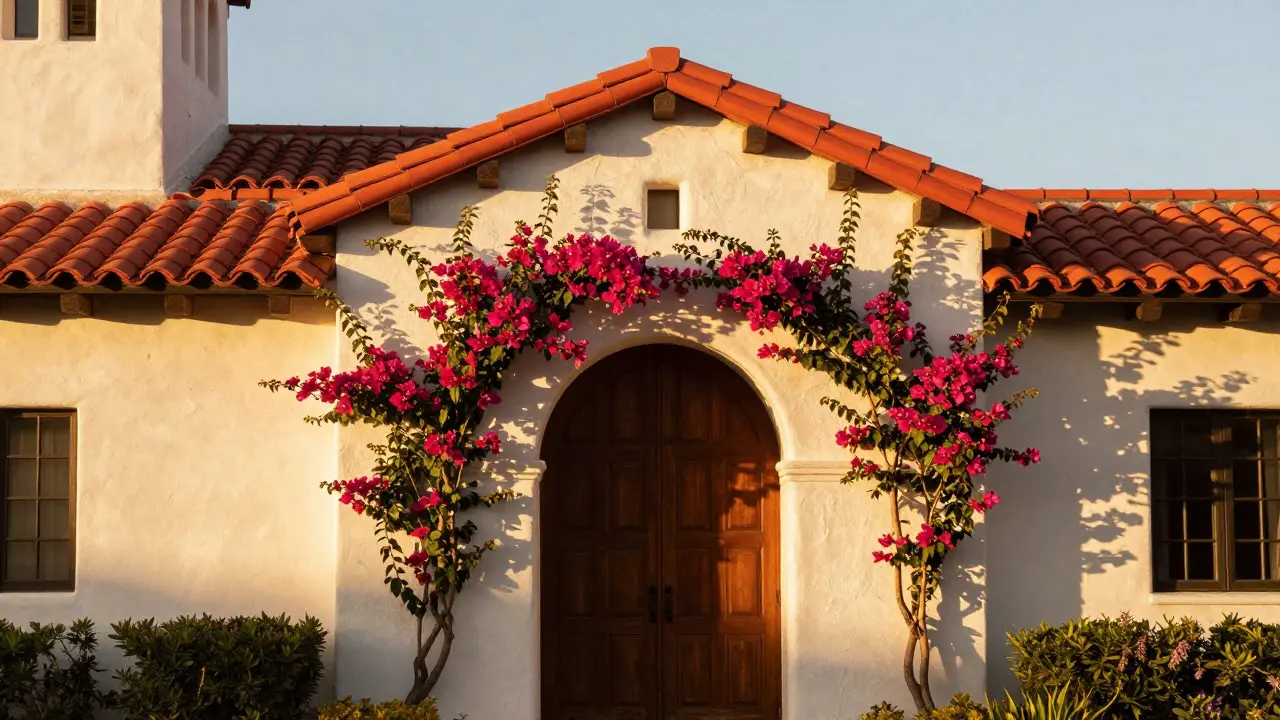
You’ve probably seen it before. Maybe you drove past a sprawling estate in Santa Barbara or stepped into a boutique hotel in Miami Beach. There’s something about those smooth white walls, the heavy wooden doors, and the way the sunlight hits the terracotta roof tiles that just feels right. It’s not trying too hard. It doesn’t scream for attention with glass boxes or sharp angles. It invites you in. This is Mediterranean Revival architecture, a popular architectural style in the United States during the early 20th century that draws inspiration from the building traditions of Mediterranean countries like Spain, Italy, and Greece. But here’s the thing: calling it "old" is a bit misleading. While its roots are deep in history, this style has proven remarkably adaptable, blending seamlessly with modern living needs. If you’re thinking about renovating a home, buying a historic property, or just curious why these houses still look so good decades after they were built, you’re in the right place.
| Feature | Description | Modern Adaptation Tip |
|---|---|---|
| Stucco Walls | Smooth, often white or cream-colored exterior finish. | Use breathable lime-based plaster to prevent moisture trapping. |
| Red Tile Roofs | Low-pitched roofs covered in clay or concrete tiles. | Install solar tiles that mimic traditional clay profiles. |
| Arches | Rounded arches over windows, doors, and arcades. | Combine with steel-framed glass for better insulation. |
| Wrought Iron | Decorative metalwork on balconies and gates. | Opt for powder-coated finishes to reduce maintenance. |
| Courtyards | Central open-air spaces connecting rooms. | Add retractable screens for insect control without losing airflow. |
Where Did This Style Come From?
To understand why these homes feel so timeless, you have to look at where they came from. The style didn’t pop out of thin air. It was heavily influenced by the Spanish Colonial Revival movement, which gained massive traction after the Panama-California Exposition in San Diego in 1915. Before that, American homes were mostly Victorian-think dark wood, steep roofs, and cluttered interiors. Then suddenly, architects started looking south across the Atlantic. They saw how people in Spain, Italy, and North Africa lived in harmony with hot climates. Thick walls kept the heat out. Small windows blocked the glare. Courtyards provided cool, shaded gathering spots.
By the 1920s, this aesthetic had crossed the ocean and landed in Florida and California. Developers realized that these designs weren’t just pretty; they were practical for warm weather. The style became synonymous with luxury and leisure. Think of the grand hotels in Palm Beach or the estates in Coral Gables. These weren’t just houses; they were statements. They said, "We value relaxation, beauty, and a connection to the outdoors." And honestly? That message hasn’t aged a day.
The Anatomy of a Mediterranean Home
If you want to spot a true Mediterranean Revival home, you don’t need an architect’s degree. You just need to know what to look for. The most obvious clue is the roof. Unlike the steep gables of a Tudor house, Mediterranean roofs are low-pitched and covered in terracotta tiles. These aren’t just decorative; they’re functional. Clay tiles reflect heat and last for centuries if maintained properly. When you see that distinctive orange-red color against a white wall, you’re looking at classic design.
Next, check the walls. True Mediterranean homes use stucco, a durable plaster material applied over masonry or wood framing. Stucco is great because it can be textured or smoothed, painted in earthy tones, and it withstands salt air and sun incredibly well. In Brisbane, where I live, we see similar principles in our own tropical vernacular architecture, though we often swap stucco for timber cladding. The key is the mass. Heavy materials absorb heat during the day and release it slowly at night, keeping the interior comfortable.
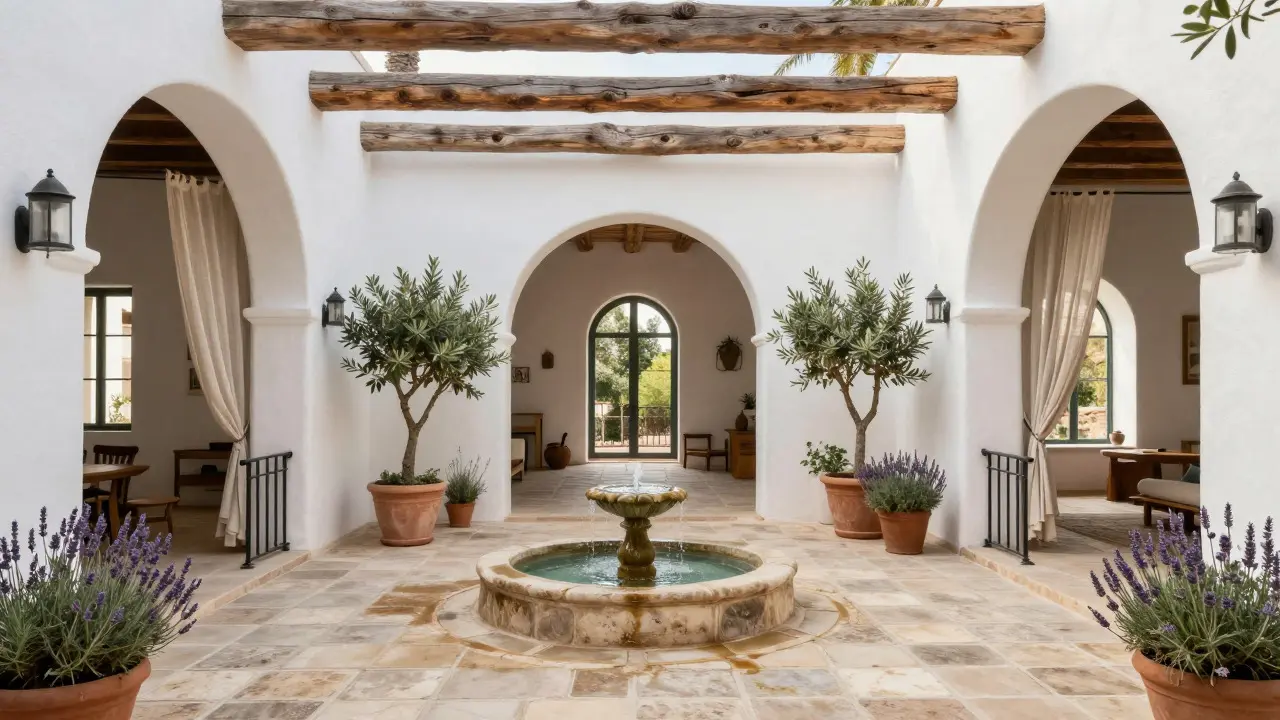
Then there are the openings. Arches are everywhere. You’ll see them framing doorways, window sets, and even entire corridors known as loggias. These arches create a sense of flow and elegance. They soften the rigid lines of brick and stone. Inside, you might notice thick wooden beams exposed on the ceiling. These aren’t always structural anymore, but they add warmth and character. Combined with wrought iron details on railings and light fixtures, the effect is romantic yet sturdy.
Why It Still Works Today
Some might argue that this style is dated. After all, it peaked in popularity nearly a century ago. But walk into a renovated Mediterranean home today, and you’ll likely feel calm, not confused. Why does it hold up? Because it prioritizes livability over trendiness. Modern minimalism often sacrifices comfort for aesthetics-cold floors, stark lighting, open plans that echo. Mediterranean homes do the opposite. They encourage slow living.
Consider the layout. Most of these homes are organized around a central courtyard or a series of patios. This blurs the line between inside and outside. In an era where people are craving more time outdoors, especially post-pandemic, this feature is gold. You can cook in the kitchen while your kids play in the garden, visible through large arched windows. You can host dinner parties under the stars without leaving the comfort of your dining room.
Plus, the style is surprisingly energy-efficient when done right. Those thick walls provide excellent thermal mass. Deep eaves shade windows from harsh afternoon sun. Cross-ventilation through multiple openings reduces the need for air conditioning. If you’re worried about sustainability, a well-maintained Mediterranean home can actually have a lower carbon footprint than a new build, simply because you’re preserving existing structure rather than demolishing and rebuilding.
Common Pitfalls and How to Avoid Them
Not every house with a red roof is a successful Mediterranean revival. Some developers in the mid-20th century slapped a few arches onto a suburban box and called it a day. This led to "McMansion" versions that lack soul. If you’re renovating, avoid these common mistakes:
- Overdoing the Decor: Mediterranean style is rustic, not ornate. Avoid filling every corner with fake antique furniture. Keep it simple. Use natural materials like wood, stone, and linen.
- Poor Lighting Choices: Don’t use bright, cool-white LED bulbs everywhere. Warm, dimmable lighting mimics candlelight and enhances the cozy atmosphere.
- Neglecting Maintenance: Stucco cracks. Tiles break. Wrought iron rusts. Ignoring small repairs leads to big bills later. Check your roof annually for slipped tiles.
- Blocking Natural Light: Heavy drapes kill the vibe. Use sheer curtains or shutters that allow light to filter through while providing privacy.
Blending Old and New in Your Space
You don’t need to live in a mansion to enjoy this style. Even smaller apartments can borrow elements. Start with color. Paint your walls in soft whites, creams, or pale blues. These colors reflect light and make small spaces feel larger. Add texture with a jute rug or a woven basket. Install a single arched mirror or a wrought-iron chandelier to hint at the style without overwhelming the room.
For kitchens, consider replacing standard cabinet handles with ceramic or iron knobs. Swap out plastic blinds for wooden shutters. In the bathroom, use terracotta floor tiles or a vintage-style pedestal sink. These small touches create a cohesive look that feels intentional, not accidental.
If you’re building new, work with an architect who understands passive cooling. Orient the house to catch prevailing breezes. Place windows strategically to maximize cross-ventilation. Use local materials to keep costs down and support regional craftsmanship. Remember, the goal isn’t to recreate a museum piece. It’s to capture the spirit of Mediterranean living: relaxed, connected, and beautiful.
Frequently Asked Questions
Is Mediterranean Revival architecture expensive to maintain?
It can be, depending on the age and condition of the home. Stucco requires periodic repainting or patching, and clay tiles may need replacement if cracked. However, many original materials are durable and long-lasting. Regular inspections can prevent costly major repairs.
Can I install solar panels on a Mediterranean Revival roof?
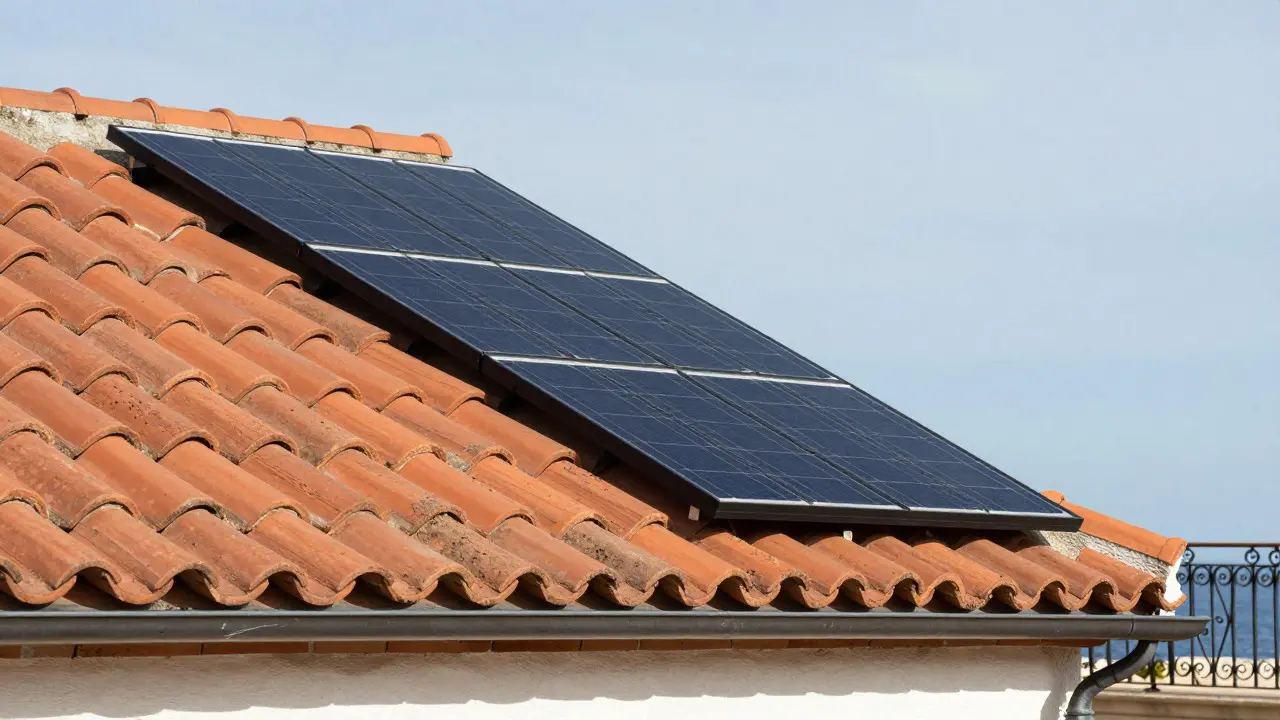
Yes, but it requires careful planning. Traditional solar panels can clash with the aesthetic. Look for integrated solar tiles that match the color and profile of existing terracotta tiles. Always check with local heritage guidelines if your home is in a protected district.
What plants suit a Mediterranean-style garden?
Choose drought-tolerant, aromatic plants like lavender, rosemary, olive trees, and bougainvillea. These thrive in sunny conditions and complement the architectural style. Gravel pathways and potted citrus trees also enhance the authentic look.
How does Mediterranean Revival differ from Spanish Colonial?
They are closely related, but Spanish Colonial refers specifically to buildings constructed during the colonial period (16th-19th centuries). Mediterranean Revival is a 20th-century interpretation that mixes Spanish influences with Italian, Greek, and Moorish elements. It’s often more eclectic and less historically strict.
Is this style suitable for cold climates?
It’s challenging but possible. The large windows and open layouts designed for ventilation can lead to heat loss in winter. To adapt, use double-glazed windows, add insulation behind stucco, and incorporate fireplaces. Focus on retaining the aesthetic while upgrading thermal performance.