Archive: 2026/03

Dutch Colonial Revival Architecture: A Beacon of Architectural Excellence
Explore the history, key features, and enduring appeal of Dutch Colonial Revival homes, from their iconic gambrel roofs to modern renovation tips.
Read more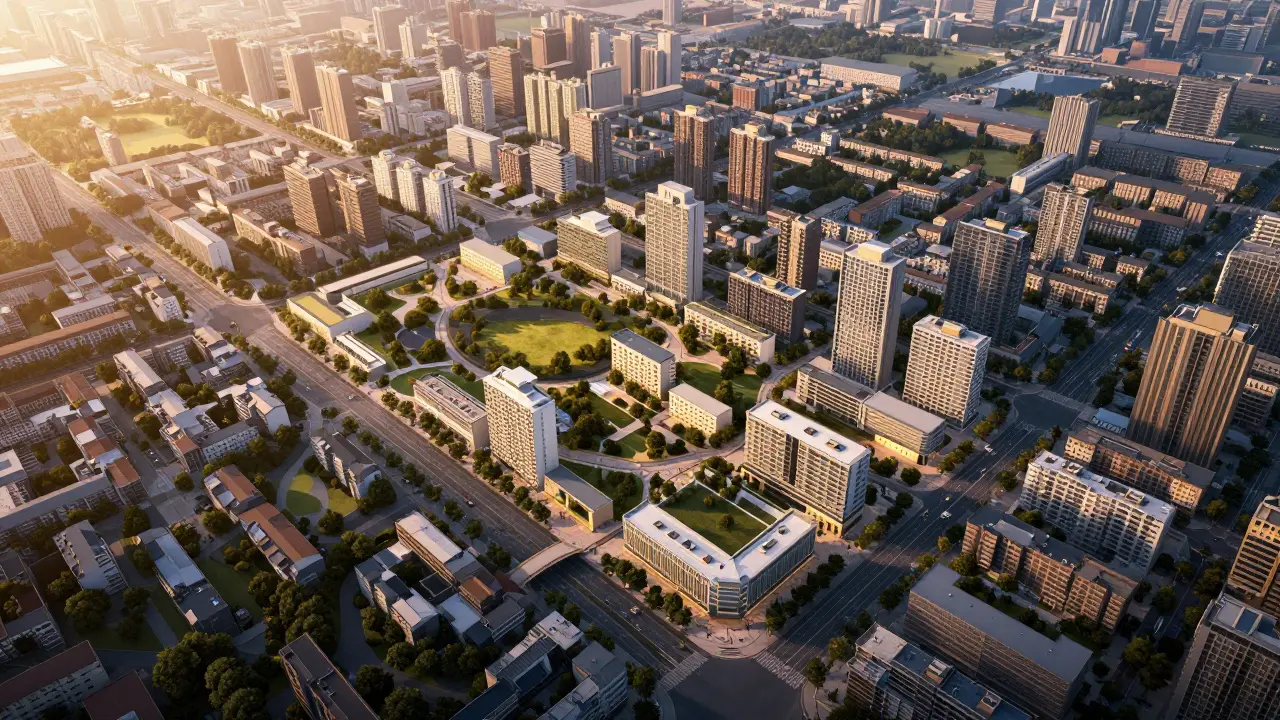
The Impact of Functionalism on Social Structures
Explore how functionalism shapes societal systems through historical theory and modern applications. Learn why this framework remains vital for understanding everything from healthcare networks to urban planning.
Read more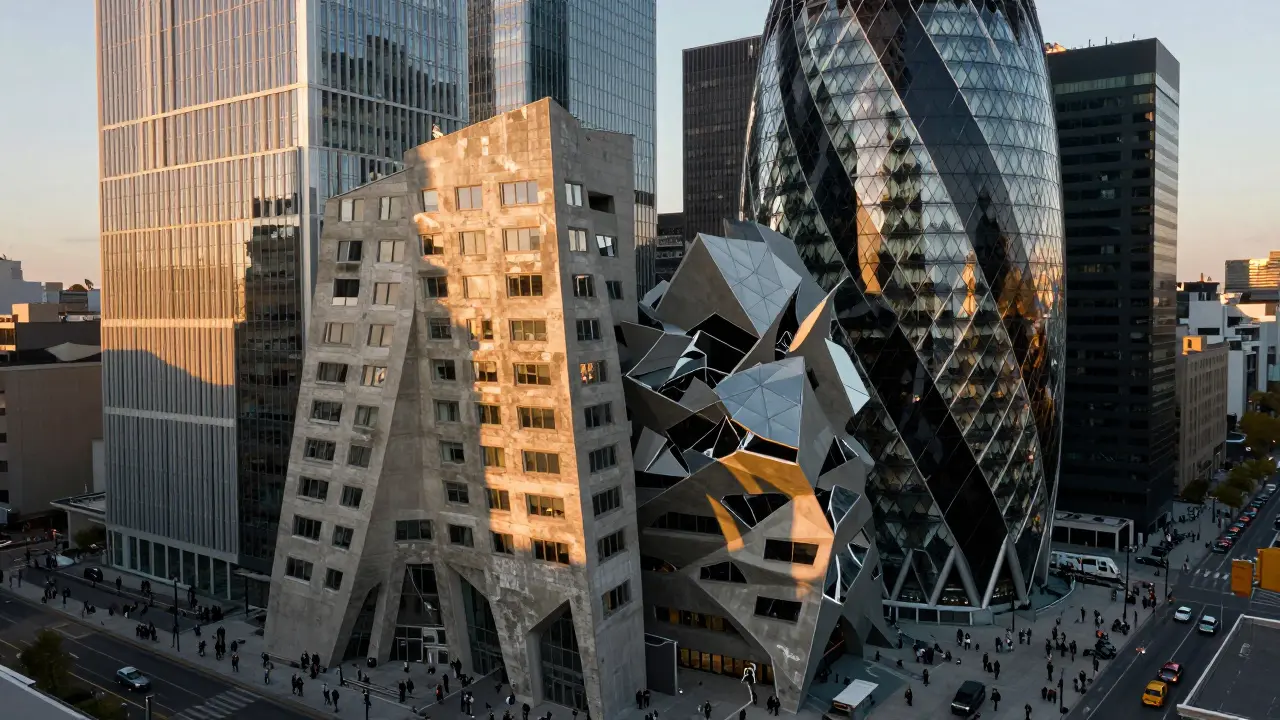
How Deconstructivism Changed the Way Cities Look
Deconstructivism reshaped urban landscapes by rejecting symmetry and order, creating bold, fragmented buildings that forced cities to adapt. From Gehry's concert halls to Beijing's CCTV tower, this movement turned architecture into a conversation about chaos, function, and identity.
Read more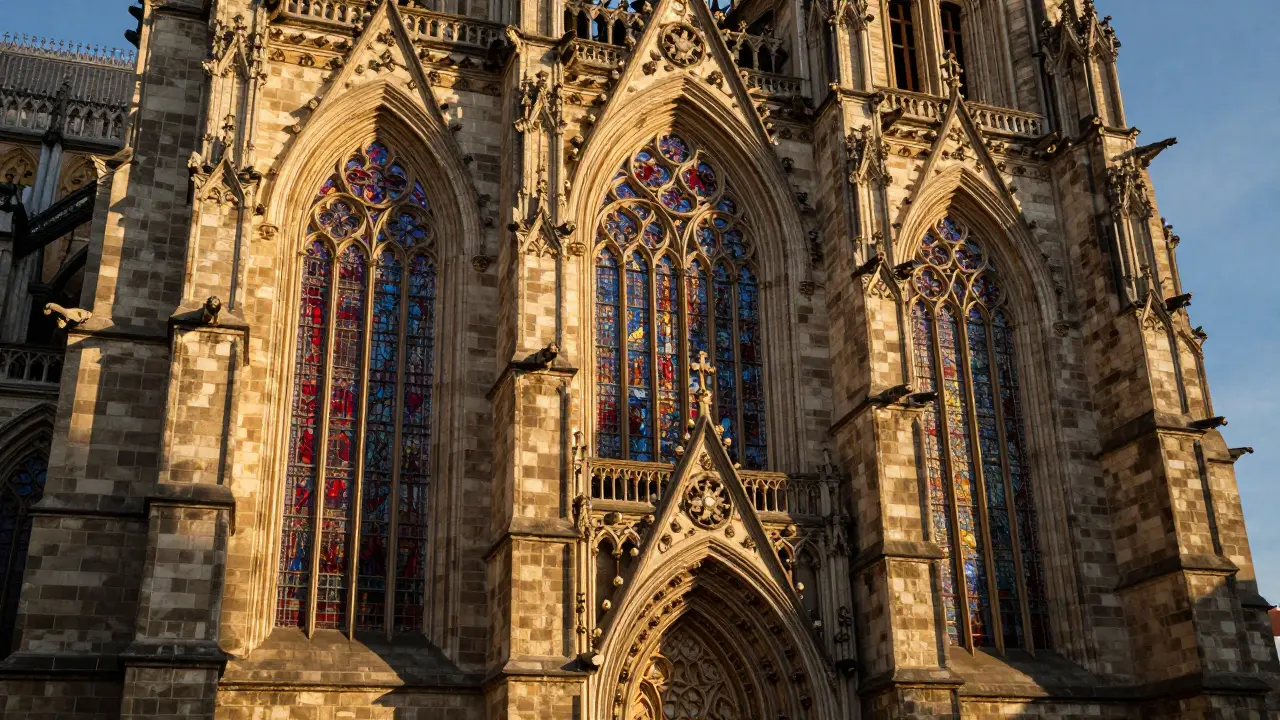
The Signature Features of Gothic Revival Architecture
Gothic Revival architecture brings medieval grandeur into the modern world with pointed arches, flying buttresses, stained glass, and towering spires. It's not just style-it's engineering, symbolism, and emotion made visible.
Read more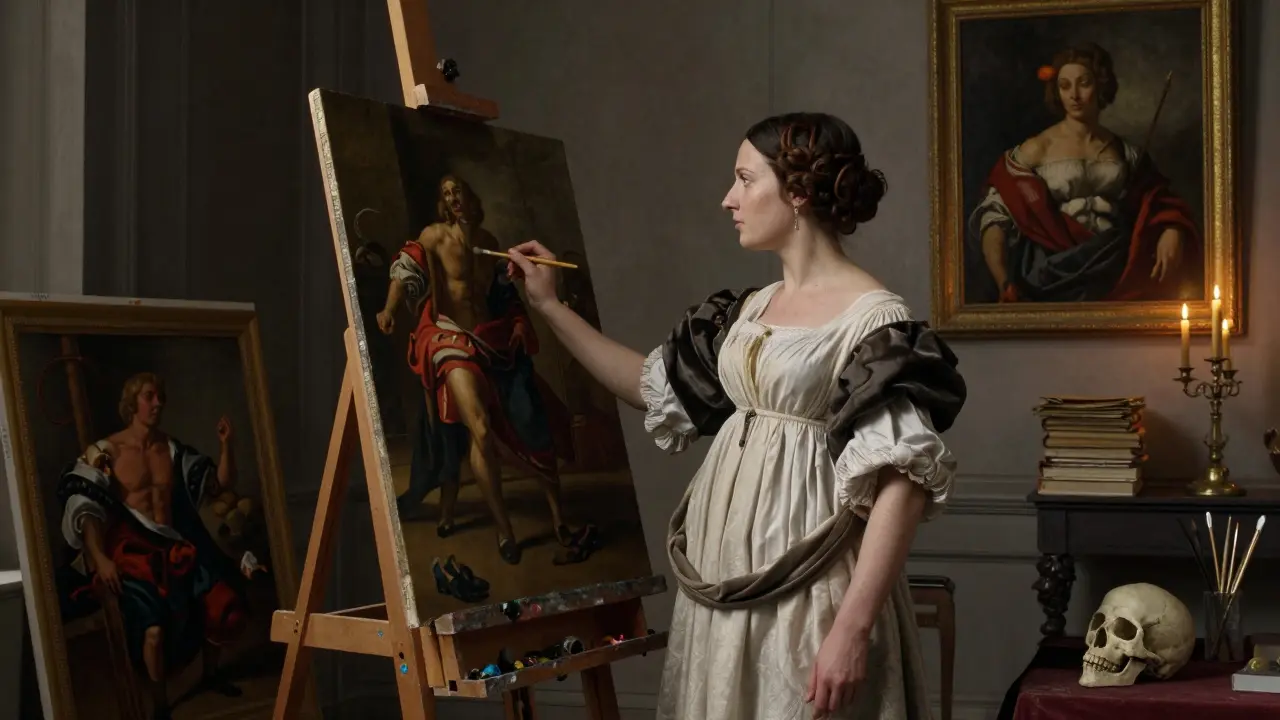
The Women of the Renaissance: Shaping History Behind the Scenes
The Renaissance wasn't just shaped by men - women like Artemisia Gentileschi, Isabella d'Este, and Christine de Pizan drove its art, literature, and culture. Their stories reveal a hidden history of power, creativity, and resistance.
Read more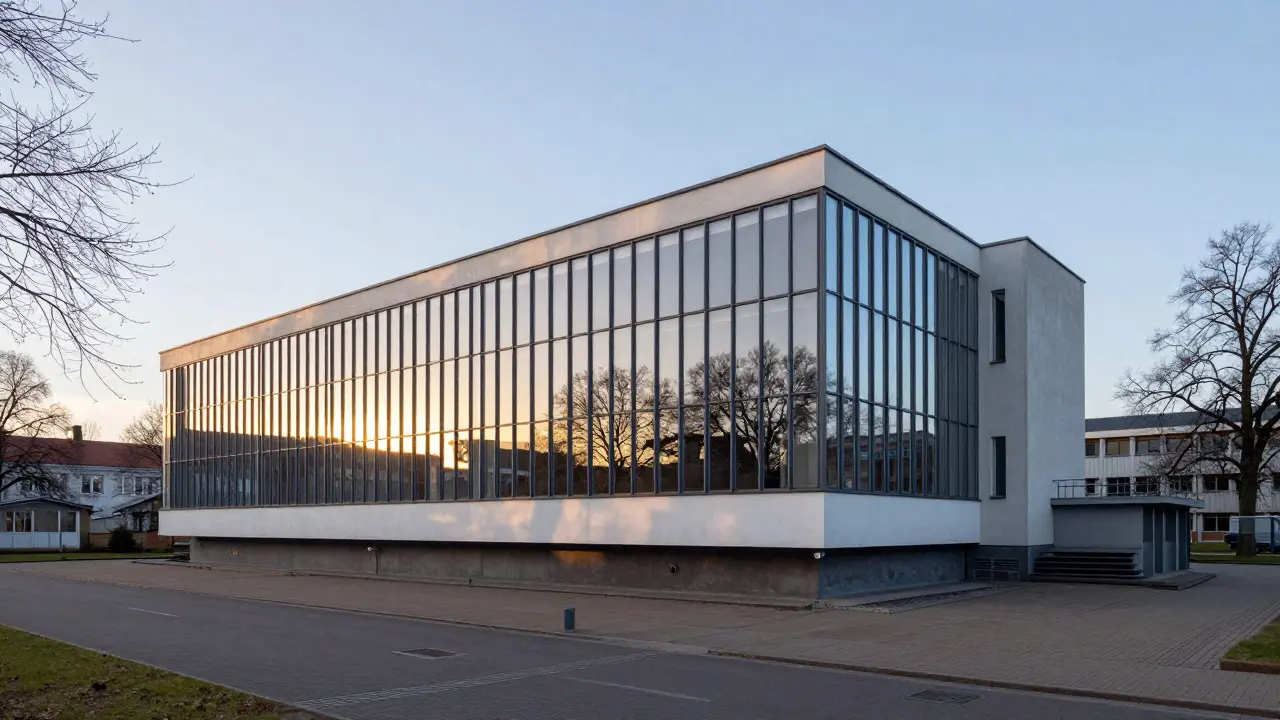
Bauhaus Style: A Revolution in Design and Architecture
Bauhaus style revolutionized design by merging function with form, using clean lines, industrial materials, and geometric shapes. Born in 1919, its influence still shapes modern architecture, furniture, and everyday objects.
Read more
The Renaissance: A Period of Extraordinary Achievements in Art, Science, and Thought
The Renaissance was a cultural rebirth that transformed art, science, and thought across Europe. From Leonardo’s anatomy sketches to Copernicus’s heliocentric theory, this era redefined human potential through observation, reason, and creativity.
Read more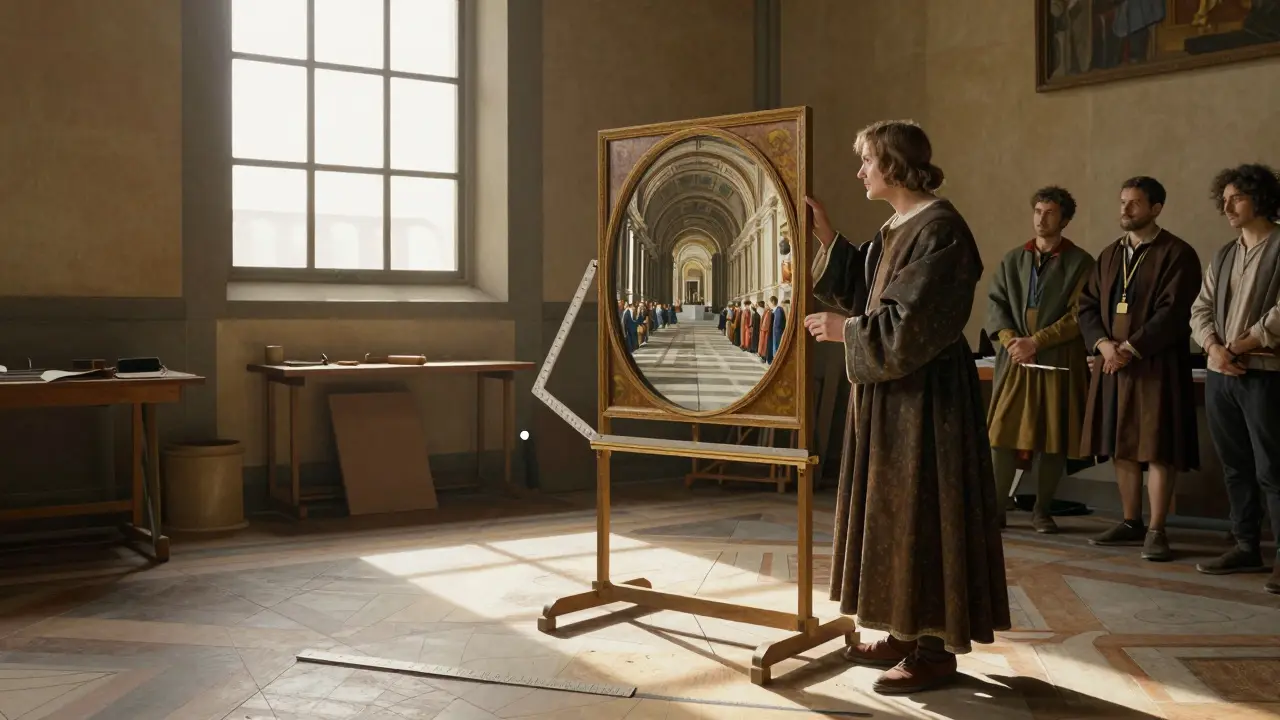
Renaissance Art: The Birth of a New Perspective
Renaissance art revolutionized visual storytelling by introducing linear perspective, turning flat paintings into immersive worlds. Rooted in humanism and math, this breakthrough changed how we see space, light, and the human form.
Read more