Dutch Colonial Revival Architecture: A Beacon of Architectural Excellence
 Mar, 30 2026
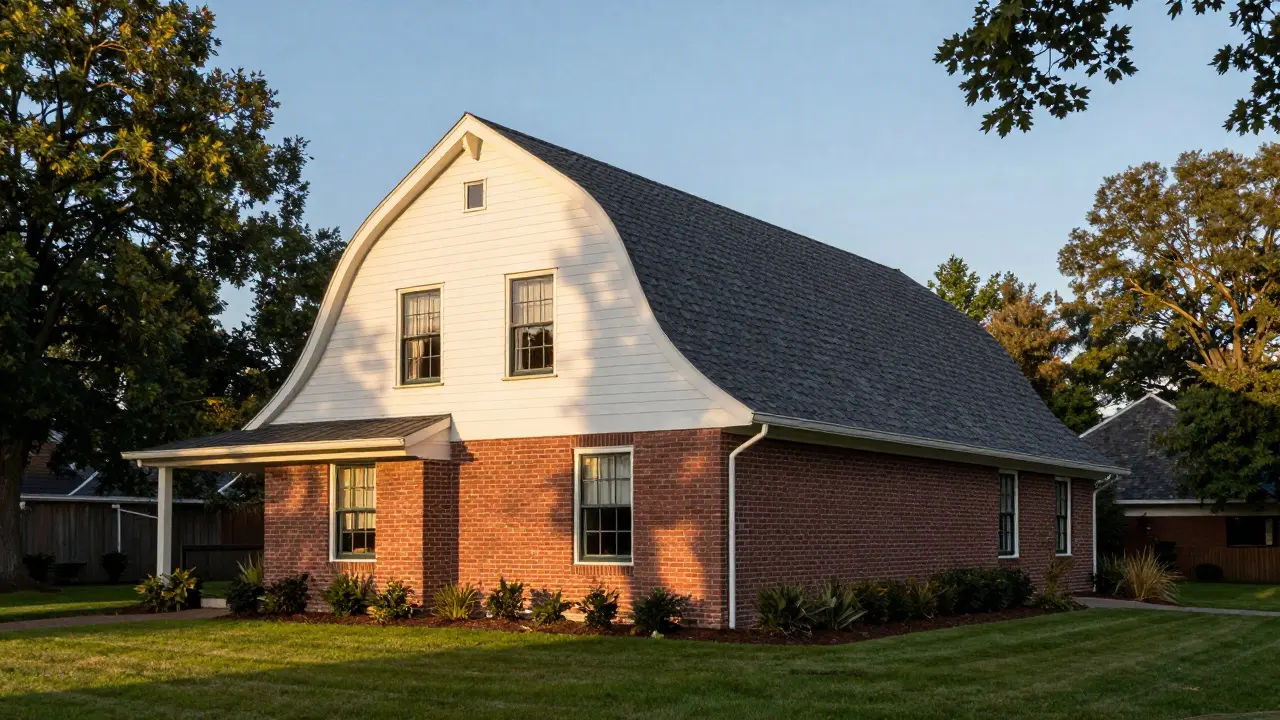
There is something instantly recognizable about the silhouette of a Dutch Colonial Revival home. Even if you've never lived inside one, you've seen the distinct curved roof that seems to hug the sky. These houses aren't just pretty pictures; they represent a specific moment in history where builders looked back to the past to define the future of residential design. When people talk about Dutch Colonial Revival Architecture is an American architectural style that blends the practical roots of 17th-century Dutch settlers with the grandeur of early 20th-century design, they are really talking about durability wrapped in beauty.
This style surged in popularity during the late 19th century and peaked right into the roaring twenties. It wasn't just about copying old farmhouses; it was about elevating them. If you walk through neighborhoods in places like Queens, New York, or Westchester, you'll spot them lining the streets. They stand as sturdy testaments to a time when homeowners prioritized function just as much as form. But what exactly sets these homes apart from a standard Cape Cod or a Federal-style house?
The Origins and Evolution of the Style
To understand why these homes matter, you have to look at where they came from. The original Dutch colonial homes were built by settlers along the Hudson River valley in the 1600s. Those early structures were utilitarian-they needed to withstand harsh winters and provide space for farming equipment. The roofs were steep and wide to shed snow quickly.
Fast forward to the late 1800s, and America was undergoing massive changes. Urbanization was booming, and people were obsessed with connecting themselves to a perceived "golden age" of simplicity. The Colonial Revival Movement took off around 1880. Architects began mining the 17th-century vernacular for inspiration but added a layer of sophistication that matched the wealth of the era. This wasn't just nostalgia; it was a statement of identity.
Why did it catch on so fast? For one, it offered a distinct alternative to the ornate Victorian styles that dominated the mid-19th century. People wanted cleaner lines and symmetrical designs. While the movement started in cities, the aesthetic made its way into suburbs as a symbol of upward mobility. By 1920, nearly 10% of new single-family homes in New Jersey featured elements of this specific revival style.
Distinguishing Features You Can Identify Easily
You don't need to be an architect to spot a Dutch Colonial Revival. There is one feature above all else that acts as the fingerprint of the style. If you see it, you're looking at the real deal.
- The Gambrel Roof: This is the defining characteristic. Unlike the simple gable roof found on a ranch house, a gambrel roof has two slopes on each side. The upper slope is shallow, and the lower slope is steep. This shape allows for more attic space, often enough to convert into a full floor later.
- Overhanging Eaves: Look closely at the edge of the roof. Dutch Colonials typically extend significantly beyond the walls. This isn't just decorative; it protects the brick or wood siding below from rain and rot.
- Ashlar or Rusticated Stone: Many high-end examples feature detailed masonry at the base of the house. You might see large stones laid horizontally, creating a solid visual anchor that contrasts with the lighter siding above.
| Feature | Function | Visual Impact |
|---|---|---|
| Gambrel Roof | Snow shedding and extra interior volume | Barn-like silhouette |
| Flemish Bond Brick | Structural stability and pattern | Alternating header and stretcher bricks |
| Ogee Windows | Natural light distribution | Curved top resembling a fan shape |
| Clapboard Siding | Weathertight exterior finish | Horizontal overlapping boards |
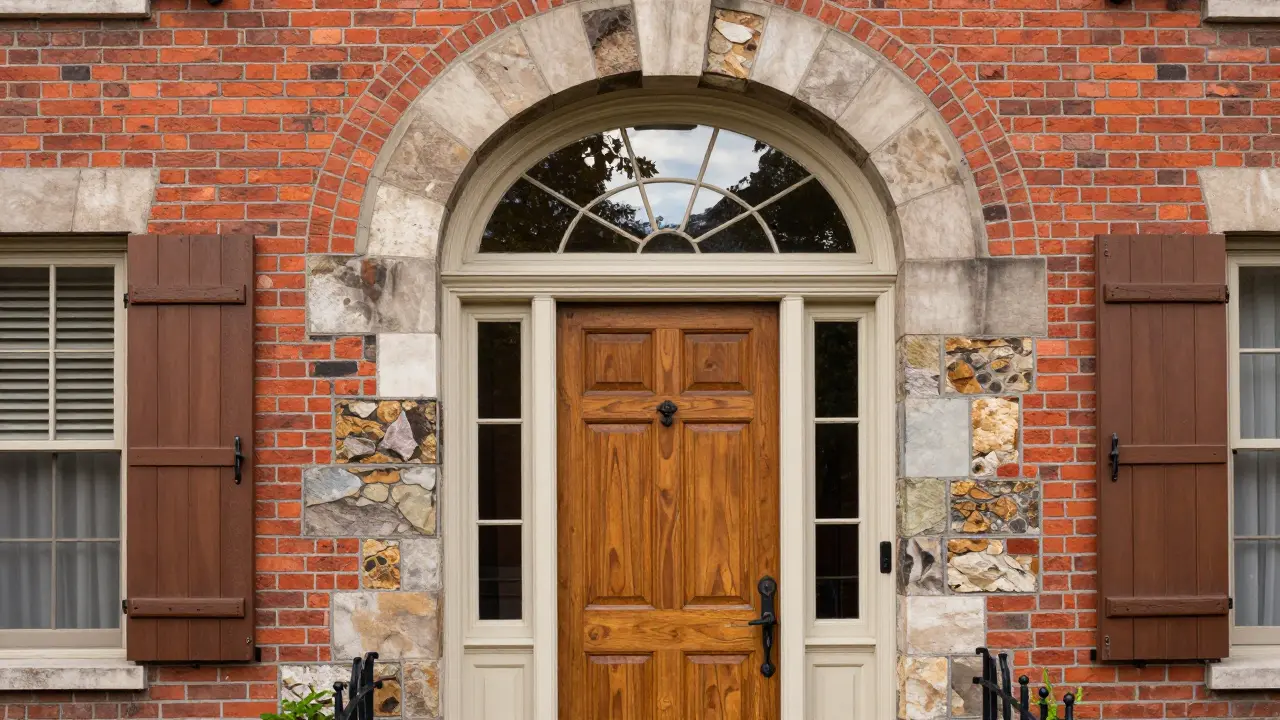
The windows tell another story. While you might expect tall rectangular sashes, Dutch Colonial Revivals frequently sport "elliptical" or arched windows. Sometimes these are topped with a transom-a fixed piece of glass above the door or window-which lets extra light filter into the entryway. On the front facade, you'll almost always see a centered entrance with a paneled door framed by sidelights.
Materials That Defined Durability
In the 1920s, before cheap synthetic siding became common, builders relied on natural materials that could last generations. Most Dutch Colonial Revival homes utilized Brick is a durable building material made from clay that offers excellent thermal mass and longevity masonry, particularly for the foundation and the lower half of the walls. Above the brick, you'd typically find Wood Shingles or clapboard. These materials breathe better than modern vinyl, allowing moisture to escape rather than get trapped inside the wall cavity.
However, this durability comes with maintenance needs. If you own a home from this era, inspecting the mortar joints is crucial. Original mortar contained lime, which is softer and more permeable than modern Portland cement. Using hard modern cement to repoint old bricks can actually cause the bricks to crack because the cement doesn't flex with temperature changes. Preserving the correct mortar mix is essential for maintaining the structural integrity of the house.
Interiors Designed for Family Life
Stepping inside a restored Dutch Colonial, you will notice a surprising amount of open space compared to other historic homes of the same period. The gambrel roof design allowed for full-height second floors, meaning bedrooms weren't cramped attics. In many larger homes, the main floor had a central living hall that flowed directly into the dining room.
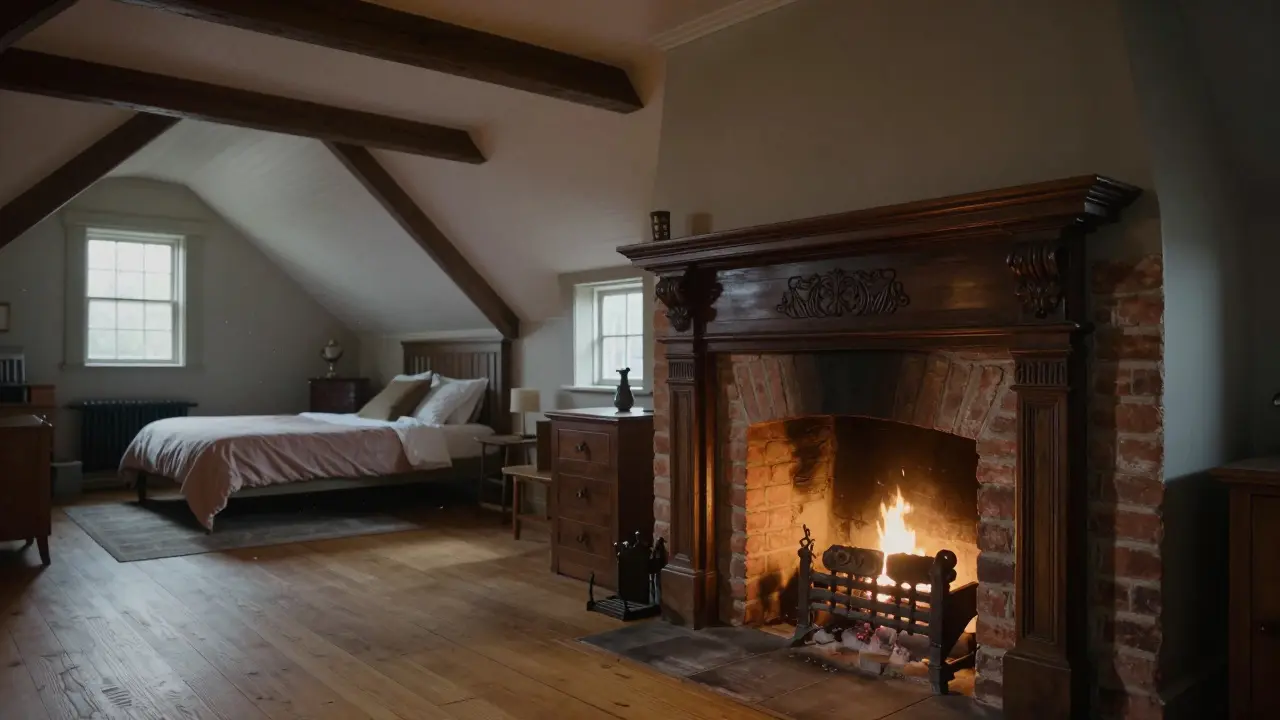
The fireplace was-and often still is-the heart of the home. Large brick fireplaces were placed centrally to distribute heat efficiently. The mantels were usually elaborate, featuring carved woodwork or even imported marble. While modern HVAC systems handle temperature control now, keeping these fireplaces functional adds character and reduces reliance on electric heating during mild weather.
Flooring often consisted of wide-plank pine or oak. Finding this in good condition today is rare, as many owners covered it with carpet during the 1970s boom. Sanding down original floors can significantly increase property value, as buyers recognize the quality difference between vintage hardwood and modern engineered planks. Additionally, crown moldings in these homes tend to be substantial, using profiles that match the scale of high ceilings.
Modern Challenges in Restoring Historic Homes
Renovating a 1920s gem comes with unique hurdles. The biggest challenge in 2026 isn't finding tradespeople; it's balancing energy efficiency with historical accuracy. The National Trust for Historic Preservation advocates for "invisible" upgrades. Instead of wrapping the whole house in foam insulation, experts recommend insulating within the attic rafters to protect the original exterior envelope.
Homes built before WWII were designed to "breathe." Modern sealing techniques can trap moisture, leading to mold growth behind plaster walls. If you decide to upgrade windows, opt for double-pane custom frames that mimic the original grid pattern rather than switching to uPVC sliders that ruin the aesthetic. Energy performance ratings suggest that while older windows perform worse thermally, air leakage is the bigger issue. Tightening the building envelope carefully is more effective than replacing everything blindly.
Furthermore, zoning laws in many heritage districts restrict how much you can alter the facade. Before you knock out a load-bearing wall to open up the kitchen, you must verify if your neighborhood falls under historic preservation guidelines. Violating these rules can lead to expensive fines and mandatory reversion to the original state.
Value and Investment Potential
Real estate data consistently shows that well-maintained historic homes hold their value exceptionally well. During economic downturns, properties with distinct character like Dutch Colonial Revivals often outperform generic tract homes built in the 1980s. Buyers pay a premium for the craftsmanship you simply cannot replicate today due to labor costs.
If you are looking to sell, the roofline is your selling point. Emphasize the curb appeal. Repainting the shutters, cleaning the gutters, and restoring the chimney flashing can return high ROI. However, be aware that insurance premiums for older homes are higher. Insurers assess risk based on construction type, and older wiring and plumbing increase liability. Updating the electrical system to code is one of the smartest investments you can make before listing.
Frequently Asked Questions
Is a Dutch Colonial different from a Cape Cod?
Yes, they are distinct. A Cape Cod has a steep gable roof and dormer windows, whereas a Dutch Colonial is defined by its broad gambrel roof. While both are colonial styles, the Dutch version tends to have a heavier, barn-like appearance with wider overhangs.
What year did Dutch Colonial Revival architecture start?
The revival began roughly in the 1880s and reached its peak popularity during the early 20th century, specifically between 1915 and 1930. The original Dutch colonial forms date back to the 17th century.
Are these homes energy efficient?
Historically, no. They rely on thick brick and wood rather than insulation. However, modern retrofitting techniques like adding attic baffles and weatherstripping can significantly improve efficiency without compromising the historic look.
How do I identify a gambrel roof on my house?
Look for a roof with two slopes on each side. The bottom slope is very steep, starting from the eaves, and the top slope is flatter. It looks like a broken line from the side profile.
What is Flemish bond masonry?
This is a specific bricklaying pattern where every course alternates between a header (short side showing) and a stretcher (long side showing). It creates a checkerboard effect and is stronger than running bond patterns.