Constructivist architecture: what it looked like and why it mattered
Constructivist architecture grew from an urgent idea: buildings should serve society, not just look pretty. Born in the Soviet Union after 1917, it used steel, concrete, and glass to make clear, functional forms. Architects treated structure as the message — exposed frames, bold geometry, and factory-like details told people what a building did before they even entered.
Key features & how to spot them
Want to spot a constructivist building on a walk? Look for raw materials and simple shapes. Flat roofs, ribbon windows, cantilevers, and exposed stair towers are common. You’ll often see strong horizontal or vertical lines, repeated modules, and minimal ornament. Interiors aimed at shared living or work: large communal spaces, short corridors, and efficient kitchens or workshops. If a building looks like it was made with an industrial toolset — that’s a clue.
Function drives the form. That means balconies used as social spaces, glass bands for light, and steel frames left visible instead of covered. Designers also favored new tech like reinforced concrete and prefabrication. These choices let them build fast and keep costs down for housing, schools, and factories.
Notable examples and short history
Tatlin’s Tower is the famous idea: an ambitious spiral of iron and glass that was never built but became a symbol of the movement. Built works give a clearer picture: the Narkomfin Building in Moscow (Moisei Ginzburg) shows communal living ideas with modern kitchens and shared facilities. Konstantin Melnikov’s Rusakov Workers’ Club uses dramatic cantilevers and strong shapes to signal public use. Vladimir Shukhov’s hyperboloid towers prove the movement could be engineering-focused and beautiful at the same time.
Constructivism peaked in the 1920s and early 1930s, then political shifts pushed Soviet architecture toward more classical, decorative ideas. Still, the movement left a lot behind: practical housing plans, new construction methods, and a clear argument that design should solve social problems.
Why this matters today: modern minimalism, industrial lofts, and some social-housing ideas trace back to constructivist thinking. When you see exposed concrete, open plans, and furniture designed for utility, you’re seeing that lineage. For architects and city planners, constructivism remains a reference for low-cost, high-function design that says something about the people it serves.
Want to learn more? Look for restoration projects of Narkomfin or tours of Melnikov’s houses. Pay attention to how original features were preserved or altered — that tells you as much about the movement’s goals as the buildings themselves.

Constructivist Architecture: The Science, Materials, and Legacy of a Radical Movement
Explore the radical world of Constructivist architecture, from Tatlin's unbuilt tower to the surviving Narkomfin building. Discover how this Soviet-era movement used industrial materials to shape society.
Read more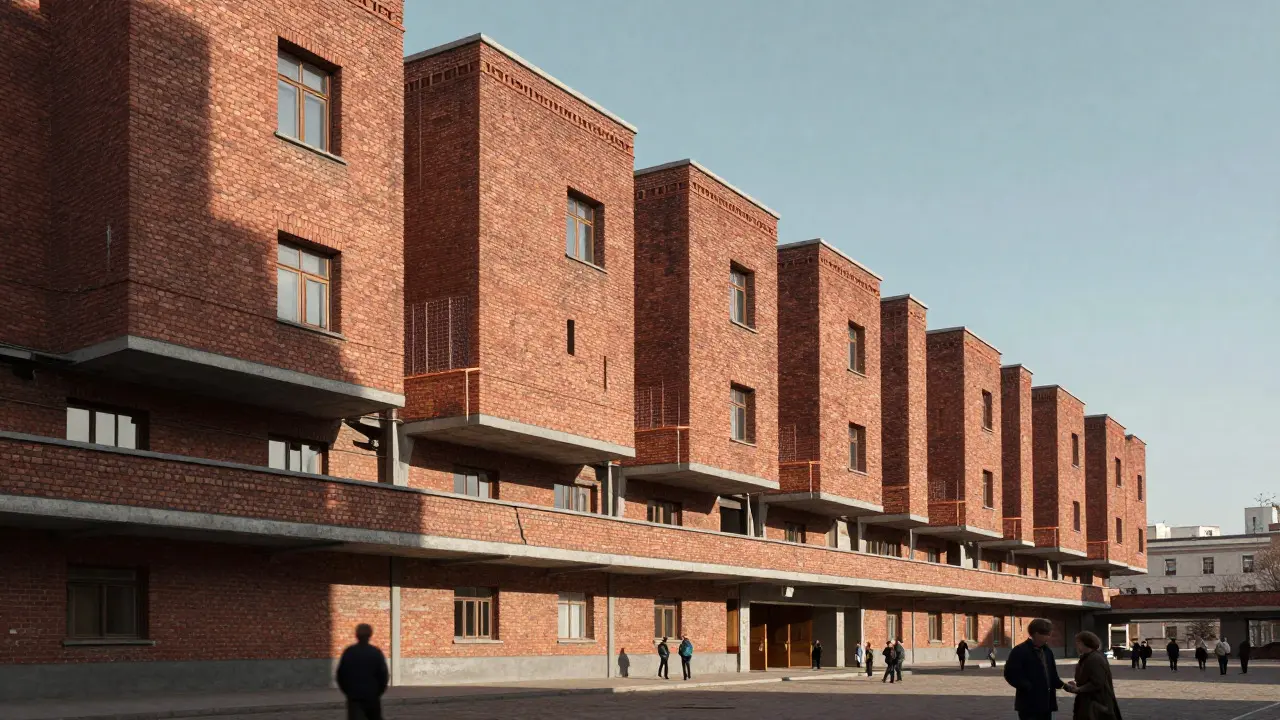
Constructivist Architecture: How Radical Design Shaped Society
Explore how Constructivist architecture used radical design to promote social equality and collective living in post-revolutionary Russia.
Read more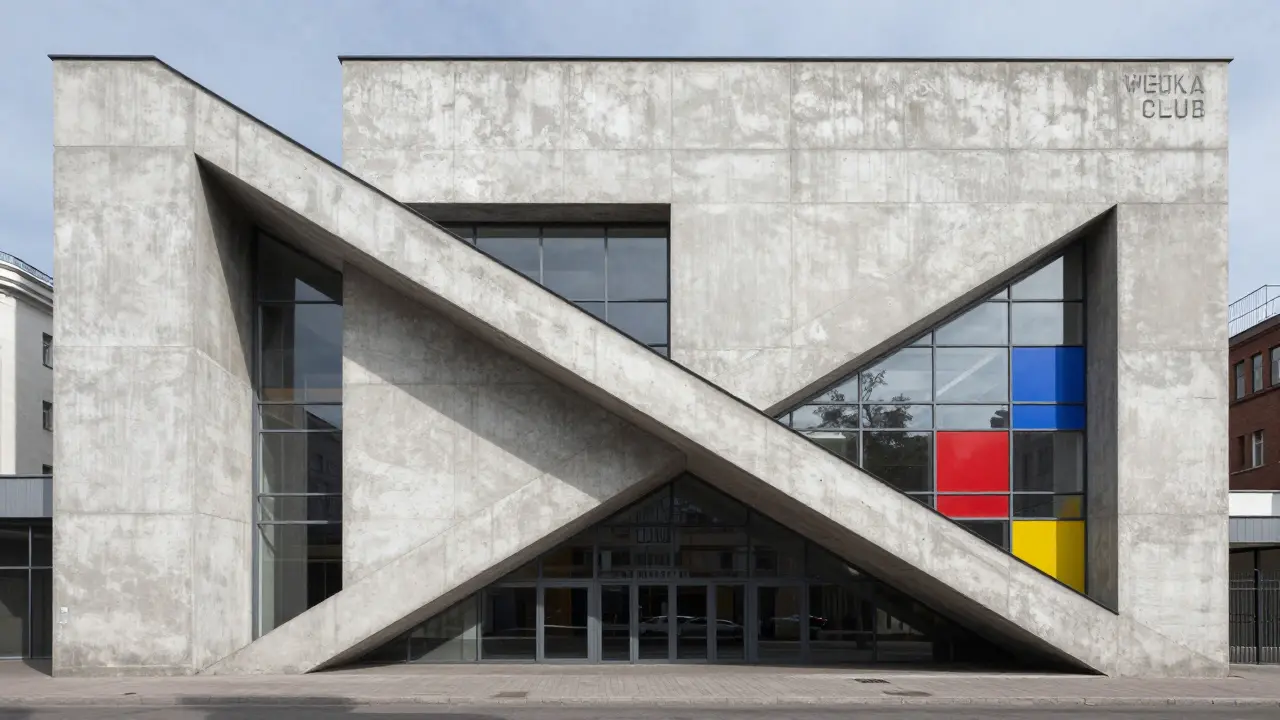
Constructivist Architecture: Where Radical Innovation Meets Bold Aesthetics
Explore how Constructivist architecture merged radical social goals with industrial innovation. Discover key buildings, materials, and the lasting legacy of this bold avant-garde movement.
Read more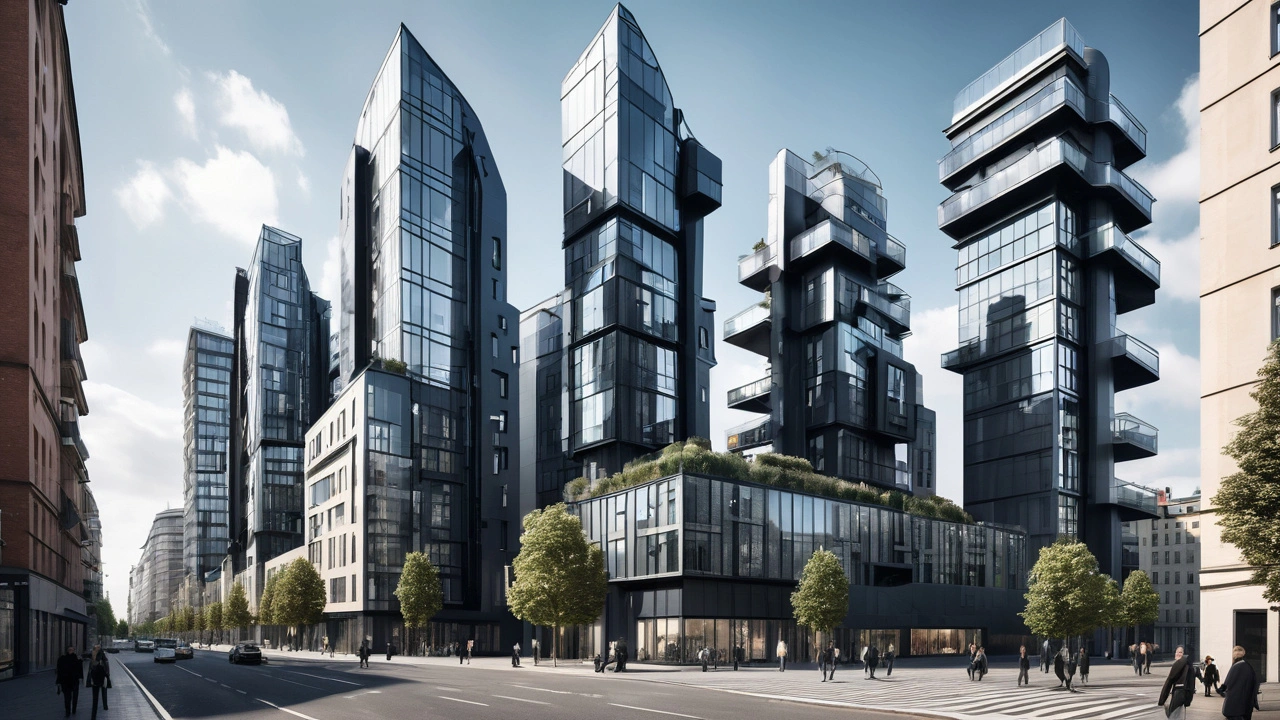
The Future of Constructivist Architecture: Bold Designs and Innovation
Discover the world of constructivist architecture, a movement that combines technology, practicality, and artistic vision. This article explores the history, core principles, notable examples, and future developments of constructivist designs. Find out how this architectural style pushes the boundaries of what's possible, offering tips for aspiring architects and enthusiasts.
Read more
Contrasting Constructivist Architecture with Other Architectural Styles
Oh boy, let's dive into the world of architecture, shall we? In the left corner, we've got Constructivist Architecture, known for its bold, abstract, and experimental design. And in the right corner, we have Other Architectural Styles, a vast group of varying aesthetics and principles. Constructivism, born from the 1920s Russian movement, is like a Picasso painting - you might not get it at first, but it sure does make a statement! Other styles, however, can range from the grandeur of Romanesque to the sleek lines of modernism. So, in this architectural royal rumble, whether you prefer the innovative Constructivism or other more traditional styles, there's certainly no shortage of design eye-candy for us all.
Read more