Neoclassical Design: Spot, Use, and Update Classical Architecture
Want to give a room or façade a calm, ordered feel without looking old-fashioned? Neoclassical design borrows from ancient Greece and Rome but keeps things measured and modern. You’ll see big ideas—symmetry, columns, balanced windows—used in ways that read as elegant, not overwhelming.
What makes something Neoclassical?
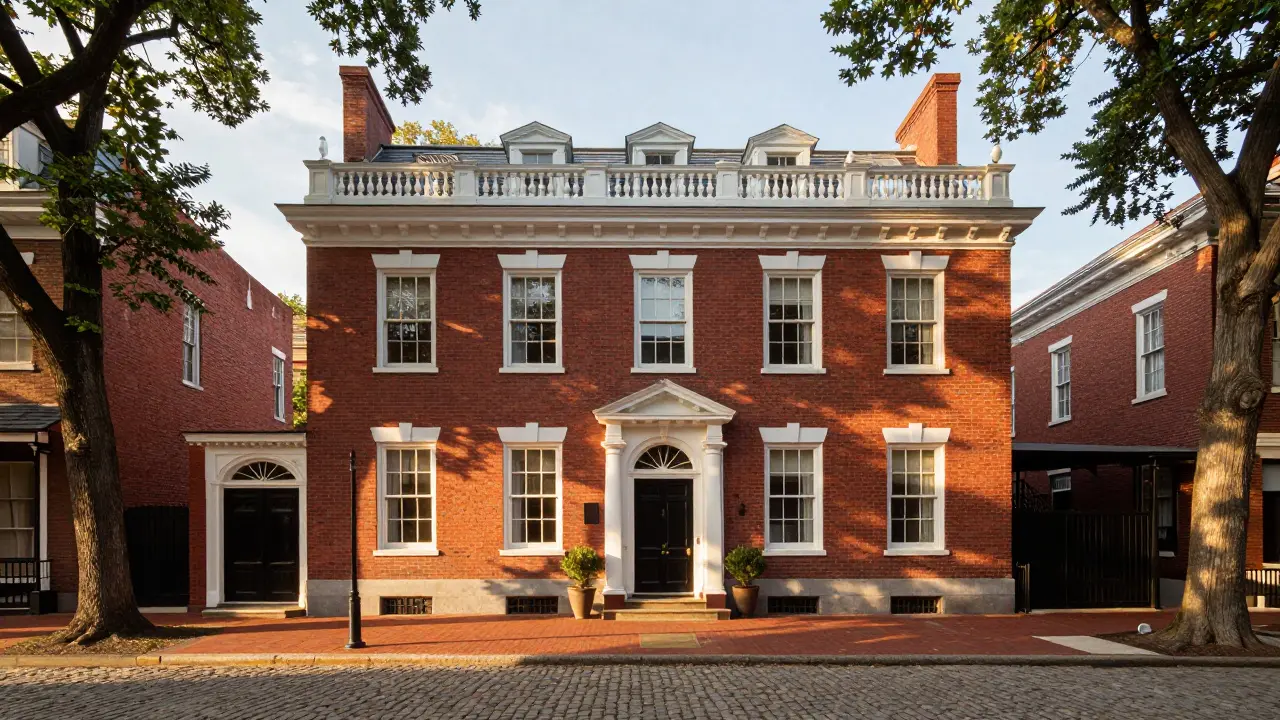
Neoclassical buildings favor clear geometry and classical details. Look for a centered entry, evenly spaced windows, and simple pediments above doors or windows. Columns show up a lot, usually in one of the classical orders (Doric, Ionic, Corinthian), but often simplified. Surfaces are smooth—stone, stucco, or painted wood— with restrained ornament like dentil moldings or modest cornices. Scale matters: proportions should feel stable, not cramped or overly decorative.
Compared to related styles: Greek Revival leans harder on temple-like fronts and heavy columns; Beaux-Arts layers classical detail with grand public scale and richer decoration; Georgian keeps a tighter, often brick-based symmetry. Neoclassical sits between them—classic rules, fewer frills.
How to use Neoclassical ideas at home
Want a neoclassical touch without turning your living room into a museum? Try one major move and keep the rest simple. A centered mantel with pilasters or a shallow pediment above your front door gives instant order. Add wide baseboards, crown molding with clean lines, and tall windows with balanced panes to reinforce the look.
Materials and color matter. Stick to a neutral palette—whites, warm grays, muted earth tones—and natural materials like stone, marble accents, brass hardware, or matte black metal for contrast. For furniture, mix streamlined modern pieces with one or two classic forms: a wingback chair, a round pedestal table, or a tufted bench. That contrast keeps the space from feeling historic and stuffy.
Lighting is an easy update. Swap a generic fixture for a scaled chandelier or a pendant with classical proportions. Layer with wall sconces that echo simple geometric lines. In small spaces, use moldings and symmetry to create the illusion of height and balance.
If you’re renovating an older building, keep original details when you can. Repair rather than replace cornices, restore wooden sash windows or fit good-quality storm windows, and repoint masonry carefully. For major changes, consult a conservation expert to protect historic value while upgrading performance.
Quick checklist before a project: pick one strong classical element (entry, mantel, or porch), simplify surrounding details, use a neutral palette, mix modern furniture, and respect original fabric if the building is historic. Want more examples and deep dives? Browse articles on Greek Revival, Georgian, Beaux-Arts, and Renaissance Revival for real projects and restoration tips right here on the site.
Federal Architecture and Urban Landscapes: How Neoclassical Design Shapes American Cities
Explore how Federal architecture shaped American cities from 1780-1830. Discover its influence on civic centers, residential neighborhoods, and modern urban planning principles.
Read more
Greek Revival Architecture: History, Features, and Why It Still Defines American Homes
Discover the defining features, history, and enduring appeal of Greek Revival architecture. Learn how to identify this democratic style and why it remains a cornerstone of American design.
Read more