Neo-Traditionalism in Architecture and Art: Reviving Timeless Design
When you walk into a home with exposed wooden beams, hand-cut stone, and symmetrical windows that echo old-world charm, you’re experiencing neo-traditionalism, a design movement that revives historical architectural styles with modern comfort and materials. Also known as new traditionalism, it’s not about copying the past—it’s about remembering why people built things that lasted. While modernism stripped buildings down to bare bones, neo-traditionalism brought back details: moldings, columns, pitched roofs, and materials that feel real, not manufactured.
This movement doesn’t ignore the last century—it responds to it. After decades of cold glass towers and boxy homes, people started craving spaces that felt human. That’s where Craftsman style, a handcrafted, wood-heavy approach rooted in the early 1900s Arts and Crafts movement comes in. You’ll see it in the posts below—homes with deep porches, built-in shelves, and exposed rafters that feel like they were made for living in, not just showing off. Then there’s Greek Revival architecture, a 19th-century style that used temple-like columns and balanced proportions to suggest order and dignity, now showing up again in new civic buildings and suburban homes. Even Renaissance Revival, with its arched windows, stone facades, and palazzo-inspired layouts, is making a quiet comeback in neighborhoods that value beauty over speed.
Neo-traditionalism isn’t just about looks. It’s about connection—to history, to materials, to community. It’s why people choose a home with a front porch over one with a garage facing the street. It’s why a public library might now have a dome and stone steps instead of a flat roof and steel frame. And it’s why this movement stands in direct contrast to postmodern architecture, a style that played with historical references but often prioritized shock over soul. Neo-traditionalism doesn’t joke with the past—it respects it.
What you’ll find in these posts isn’t a list of trends. It’s a collection of real buildings, real stories, and real reasons why people are choosing to build again the way their grandparents did—only better. You’ll see how the same principles that made a 19th-century courthouse feel permanent are now shaping new schools and town halls. You’ll learn how the quiet beauty of a Craftsman bungalow isn’t just nostalgia—it’s a response to a world that feels too fast, too thin, too fake. And you’ll understand why, in a time of prefab everything, people are willing to pay more for craftsmanship that lasts.
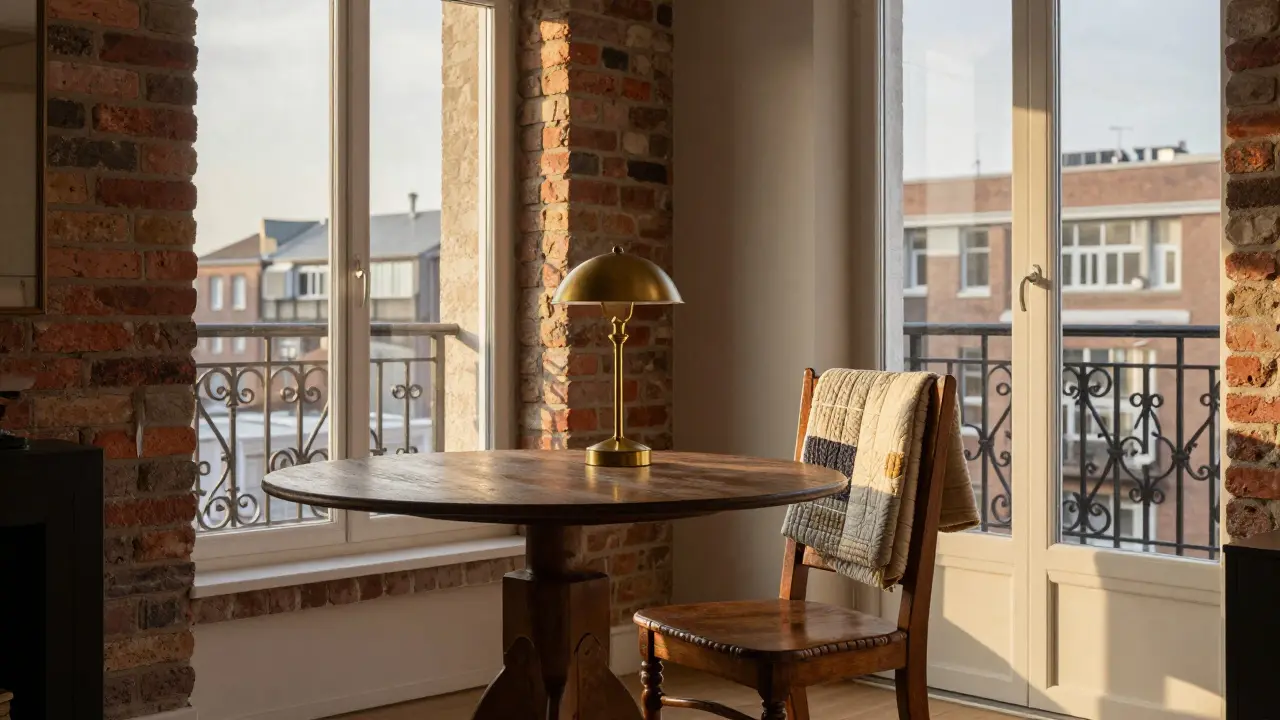
The Revivalism Movement: How Past Styles Are Reshaping Modern Culture
The revivalism movement is bringing back historical styles in architecture, design, and craft-not as nostalgia, but as a meaningful response to modern life's speed and emptiness. People are choosing handmade, durable, and story-rich objects over mass-produced ones.
Read more
How Revivalism is Shaping Contemporary Art
Revivalism in contemporary art isn't about copying the past-it's using historical styles to question today's world. From neo-Gothic installations to Byzantine-inspired NFTs, artists are blending old techniques with modern concerns to create powerful, meaningful work.
Read more