Architectural Design: Read the Buildings, Not Just Look at Them
Architecture is everywhere — the church down the street, your coffee shop, the train station. It tells stories about power, fashion, and how people lived. This page collects clear, practical guides on major styles and how to spot the clues that make each one different.
Want a quick rule of thumb? Look at shape, materials, and decoration. Rounded arches and heavy stone often point to Romanesque or Roman engineering. Tall pointed arches, stained glass, and vertical lines usually mean Gothic or Gothic Revival. Large domes, mosaics, and a mix of eastern and classical details hint at Byzantine buildings.
Travel tips you can use: pick three features to watch for on a walk — roof shape, window style, and front entrance. Make a small mental checklist: columns or no columns, ornate or plain, glass or stone. That approach turns a random stroll into a mini architecture tour without a guidebook.
Common styles you'll find here
On this site you’ll see posts on Roman, Gothic Revival, Byzantine, Renaissance, Baroque, Beaux-Arts, Greek Revival, Colonial, Dutch Colonial, Craftsman, Art Nouveau, Postmodern, and more. Each article focuses on what makes the style useful today — restoration tips, design features to borrow, or travel pointers for spotting the real deal. If you want modern minimalism or revivalist details, there are practical takeaways for both.
Want to bring a style into your home? Start small. Swap a light fixture for an Art Nouveau piece, paint trim in classic Georgian colors, or use a gambrel roof shape as inspiration for furniture lines. Preservation articles here show how to repair original details without losing character — useful if you own an older home or plan renovations.
How to use these articles
Use the tags and short checklists in each post as a field guide. If you’re planning a trip, read the travel-focused entries to find hidden gems beyond the famous sites. For design projects, read the “features and tips” posts to pick one or two authentic elements you can adapt without overdoing it. For history lovers, there are clear timelines and examples that connect styles to real buildings and cities.
Architecture affects how a place feels and works. If you learn to read basic clues — roof, windows, materials — you’ll notice design choices everywhere. Explore the posts, follow a few tag pages, and start seeing buildings as stories you can actually read and use.
Quick field checklist you can use right away: carry your phone, take three photos — a wide shot of the whole building, a close-up of a detail, and the street context — and write one line about the roof, windows, and materials. Save the photos in a folder named by city and style. Later, match them to posts here to learn names and eras faster.
If you plan restorations, document existing details before work starts, and ask for a conservation-minded contractor. Small fixes like repairing mortar, matching paint colors, and rehanging original doors keep character without huge costs. Use our preservation posts for step-by-step checklists and realistic budgets. Try one detail today.
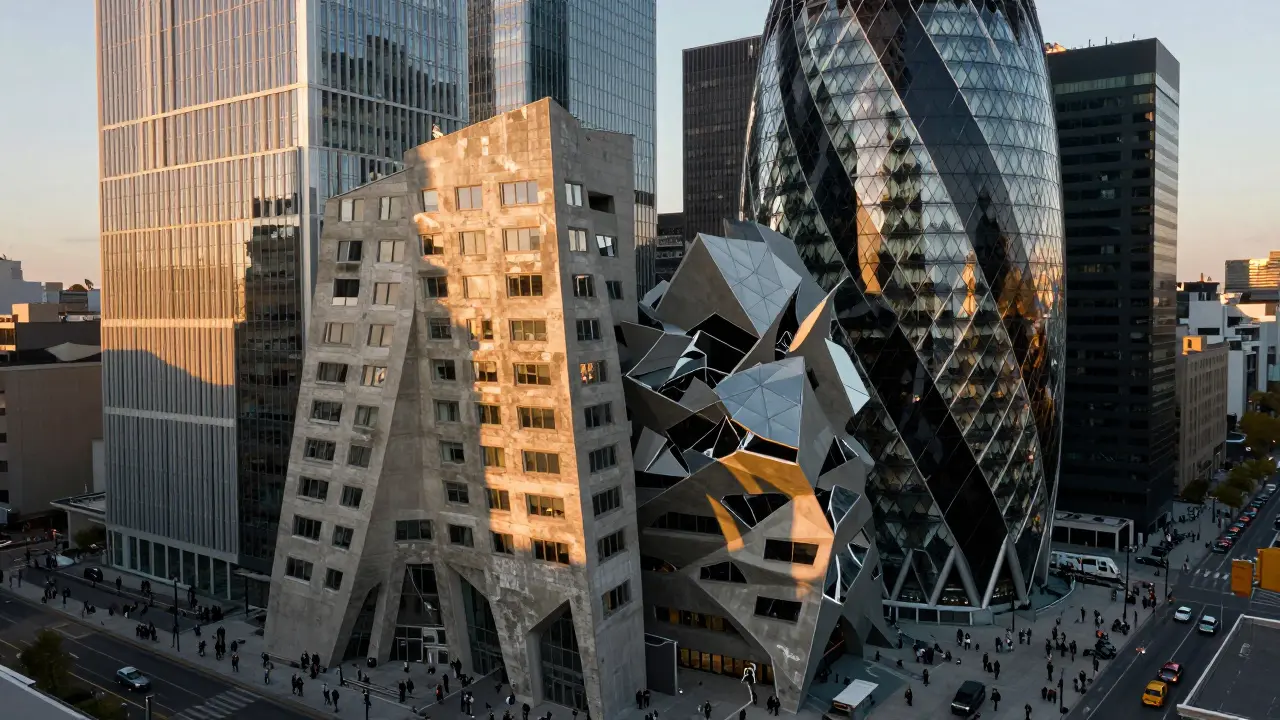
How Deconstructivism Changed the Way Cities Look
Deconstructivism reshaped urban landscapes by rejecting symmetry and order, creating bold, fragmented buildings that forced cities to adapt. From Gehry's concert halls to Beijing's CCTV tower, this movement turned architecture into a conversation about chaos, function, and identity.
Read more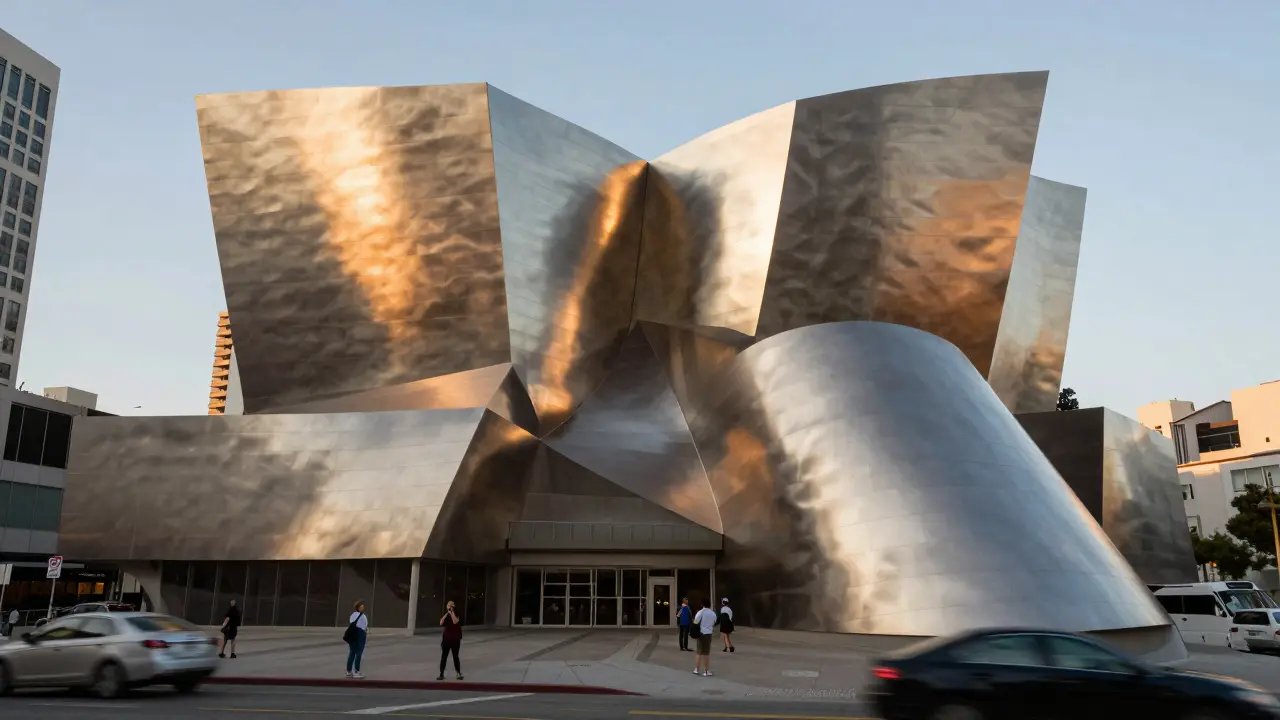
Why Deconstructivism Is Redefining Modern Design
Deconstructivism is reshaping modern design by rejecting symmetry and embracing chaos with purpose. From iconic buildings to everyday objects, it’s creating spaces that feel raw, emotional, and deeply human.
Read more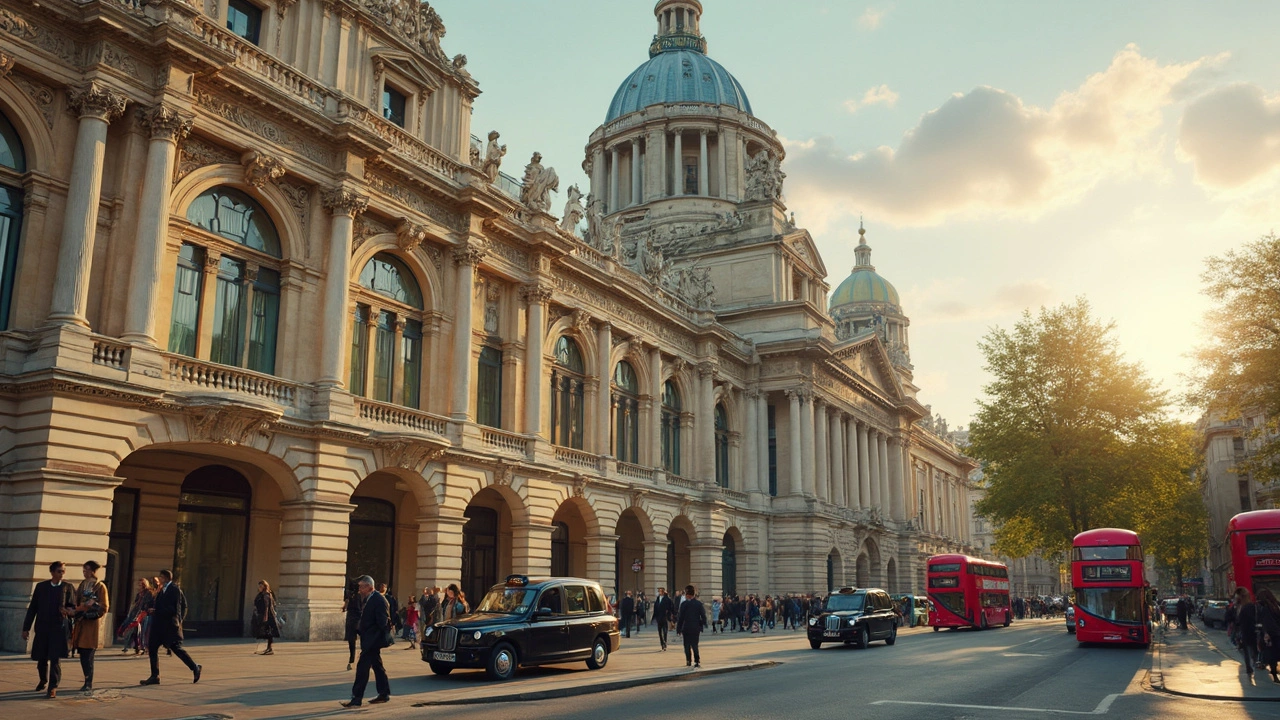
Beaux-Arts Architecture: Stunning History, Design, and Iconic Examples
Dive into the vibrant world of Beaux-Arts architecture—its bold history, trademark design features, and legendary buildings that still mesmerize today.
Read more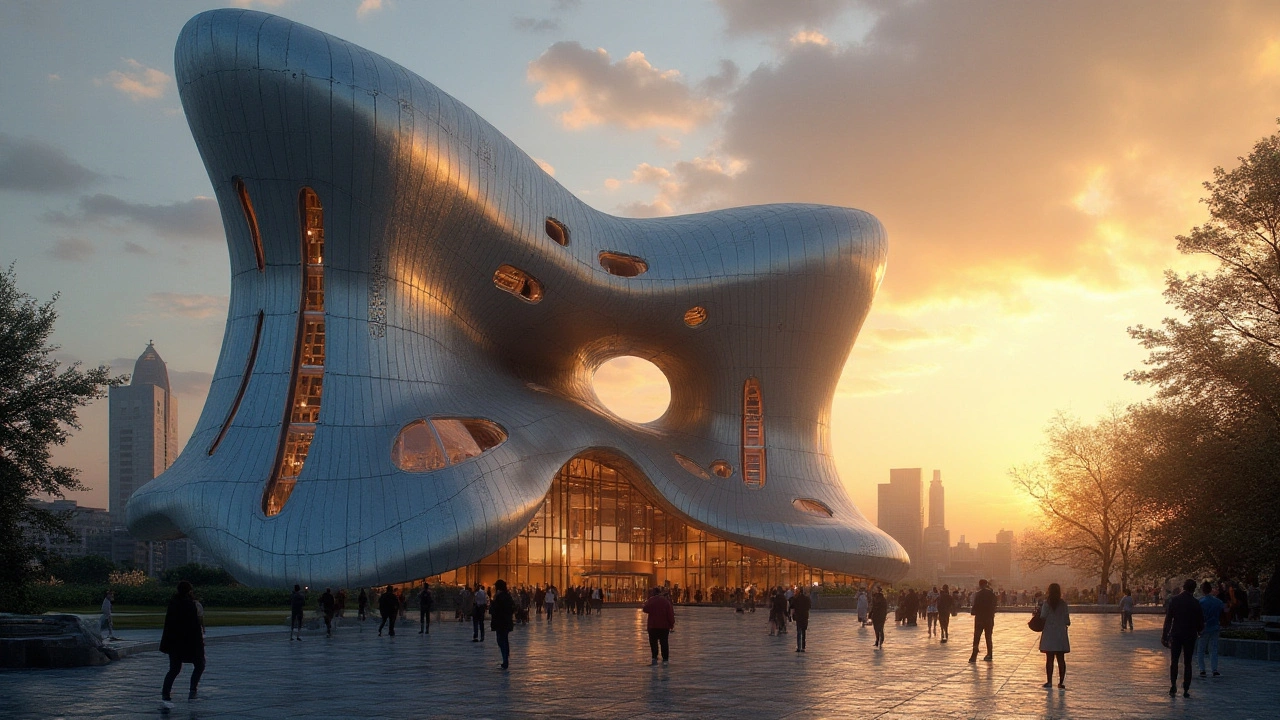
Expressionist Architecture: Defying Conformity with Bold Designs
Expressionist architecture is a movement that dares to defy conventional forms, creating structures that embody emotion and individuality. Emerging in the early 20th century, it combines artistic expression with architectural innovation. The movement prioritizes dramatic shapes and materials, often inspired by natural forms. Learn how expressionist architecture continues to influence modern design through its refusal to conform to traditional norms.
Read more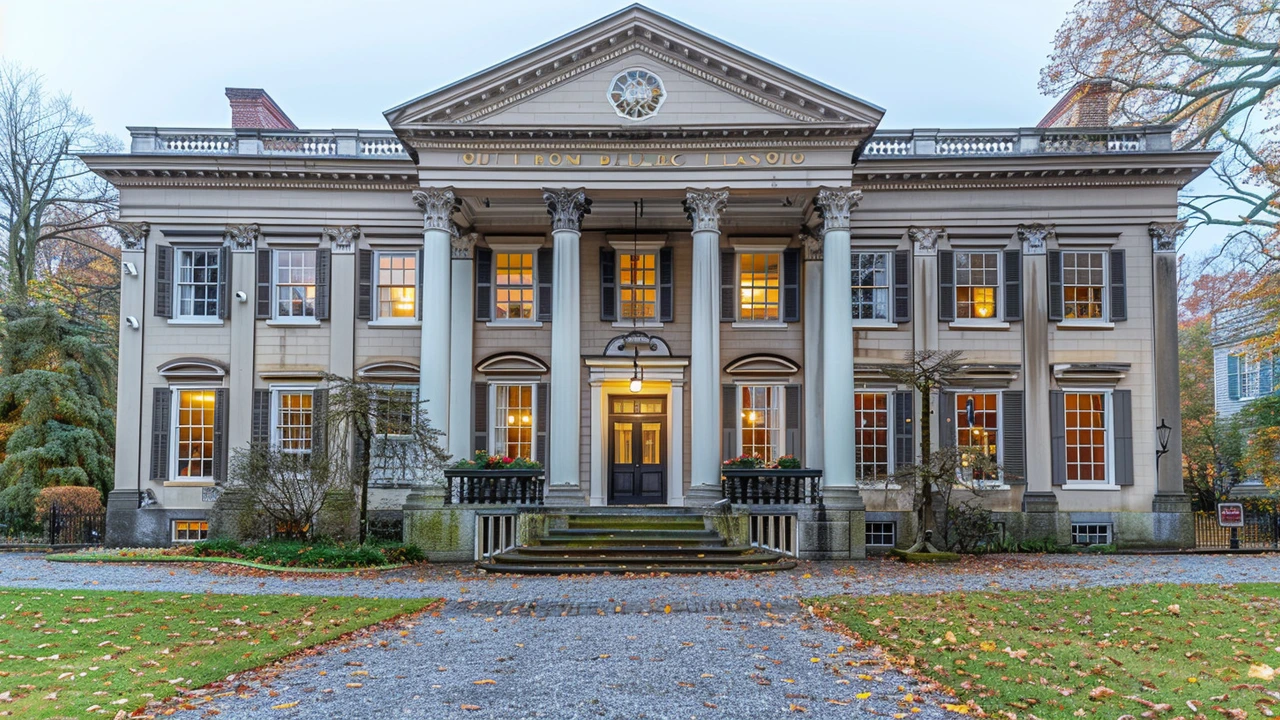
Exploring Federal Architecture: Timeless Designs in Modern America
This article delves into the enduring charm and significance of Federal architecture. It explores the origin and development of this style, primarily during America's early years. Readers will gain insights into the defining characteristics of Federal architecture, see its influence on modern designs, and discover notable examples that stand today. The piece also offers practical advice on how to recognize and appreciate the nuances of this architectural style.
Read more
Unveiling the Grandeur: A Deep Dive into Beaux-Arts Architecture's Rich History and Legacy
Explore the captivating world of Beaux-Arts architecture; a style that epitomizes grandeur, opulence, and meticulous craftsmanship. This detailed exploration delves into its origins, key characteristics, notable examples, and lasting impact on the architectural landscape. Discover the intricate details that define Beaux-Arts architecture and how it has influenced modern architectural practices. This article offers a comprehensive understanding of a style that has shaped the aesthetics of buildings across the globe, standing as a testament to the enduring allure of classical design principles.
Read more
Exploring Federal Architecture: A Showcase of American Design Excellence
Federal architecture stands as a profound exhibit of American history and design principles, embodying an era that significantly shaped the nation's identity. This article delves into the essence of Federal architecture, tracing its origins, key characteristics, and lasting influence on modern building design. It highlights the architectural mastery of the Federal period, exploring the underlying symbolism, and the enduring appeal of its structures. Through examining iconic examples and offering insights into preserving these historic edifices, the article serves as a comprehensive guide to understanding and appreciating the grandeur and sophistication of Federal architecture.
Read more