Architectural Styles and Art Movements of 2025: Craftsman, Gothic, Postmodern, and More
When you think about architectural styles, distinct approaches to building design that reflect culture, technology, and aesthetics over time. Also known as building traditions, they don’t just shelter people—they tell stories about who we were and what we valued. In November 2025, Macklowe Art & Architecture dug into how these styles shaped homes, cities, and even how we feel in a space. From the quiet warmth of the American Craftsman, a design philosophy rooted in handcrafted woodwork, exposed beams, and honest materials. Also known as Craftsman style, it emerged as a reaction to mass production and still feels deeply personal today. to the soaring, light-filled interiors of Gothic architecture, a medieval innovation using pointed arches, flying buttresses, and stained glass to create awe-inspiring cathedrals. Also known as pointed arch style, it turned religion into engineering—and still influences modern skylights and open spaces., these aren’t just old ideas. They’re alive in how we build now.
Postmodern architecture didn’t just break rules—it laughed at them. Postmodern architecture, a style that mixes historical references, bold colors, and playful shapes to reject the cold uniformity of modernism. Also known as postmodern design, it brought back storytelling into buildings, making skyscrapers that wink at you instead of staring blankly. You’ll see it in the way a courthouse now has a fake column or a bank looks like a giant classical temple with a neon sign. Meanwhile, the Renaissance Revival, a 19th-century return to Italian palazzos with symmetrical facades, arched windows, and grand staircases. Also known as Italianate style, it turned civic buildings into monuments of order and beauty. reminds us that people still crave balance and proportion. And then there’s the Greek Revival, a style that used ancient Greek temples as blueprints to symbolize democracy and civic pride in America. Also known as neoclassical buildings, it gave us the white columns you see on courthouses and universities today. These styles didn’t just appear—they responded to their times. The same way Rococo art turned gardens into emotional escapes with pastel swirls and delicate figures, postmodern buildings turned city blocks into visual jokes. They all connect: craftsmanship, light, structure, and meaning.
What you’ll find here isn’t a history lesson. It’s a look at why these styles still matter—how a 19th-century mansion’s symmetry echoes in today’s luxury homes, how Roman concrete made modern skyscrapers possible, and how a 300-year-old painting of a garden still feels like home. These posts don’t just describe buildings. They show you how people lived, what they believed, and why some designs never fade. Below, you’ll find real examples, clear explanations, and the quiet truths behind the walls we live inside.

The American Craftsman: A Timeless Style for Every Home
The American Craftsman style blends handcrafted woodwork, exposed structural details, and warm, earthy tones to create homes that feel timeless. More than just architecture, it's a philosophy of honesty, durability, and quiet beauty.
Read more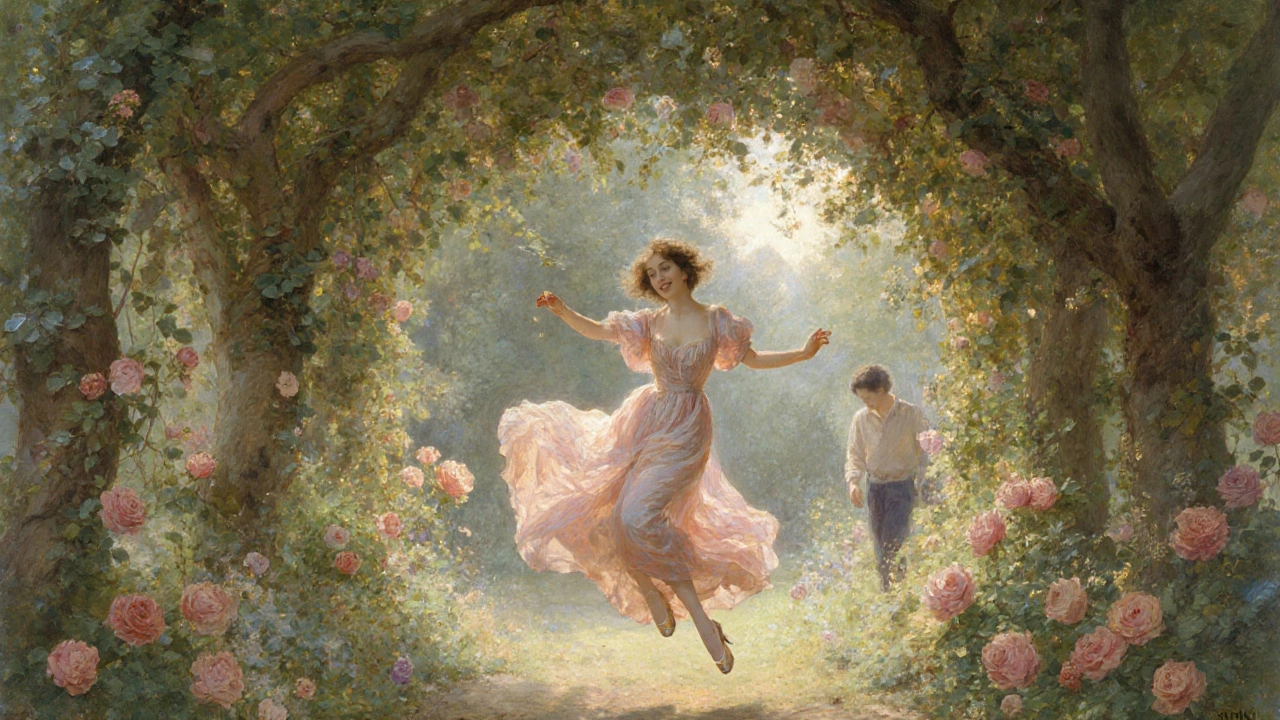
The Delicate Balance of Nature and Romance in Rococo Art
Rococo art blends nature and romance with delicate curves, pastel colors, and intimate scenes. Discover how 18th-century artists turned gardens into emotional landscapes and why this style still resonates today.
Read more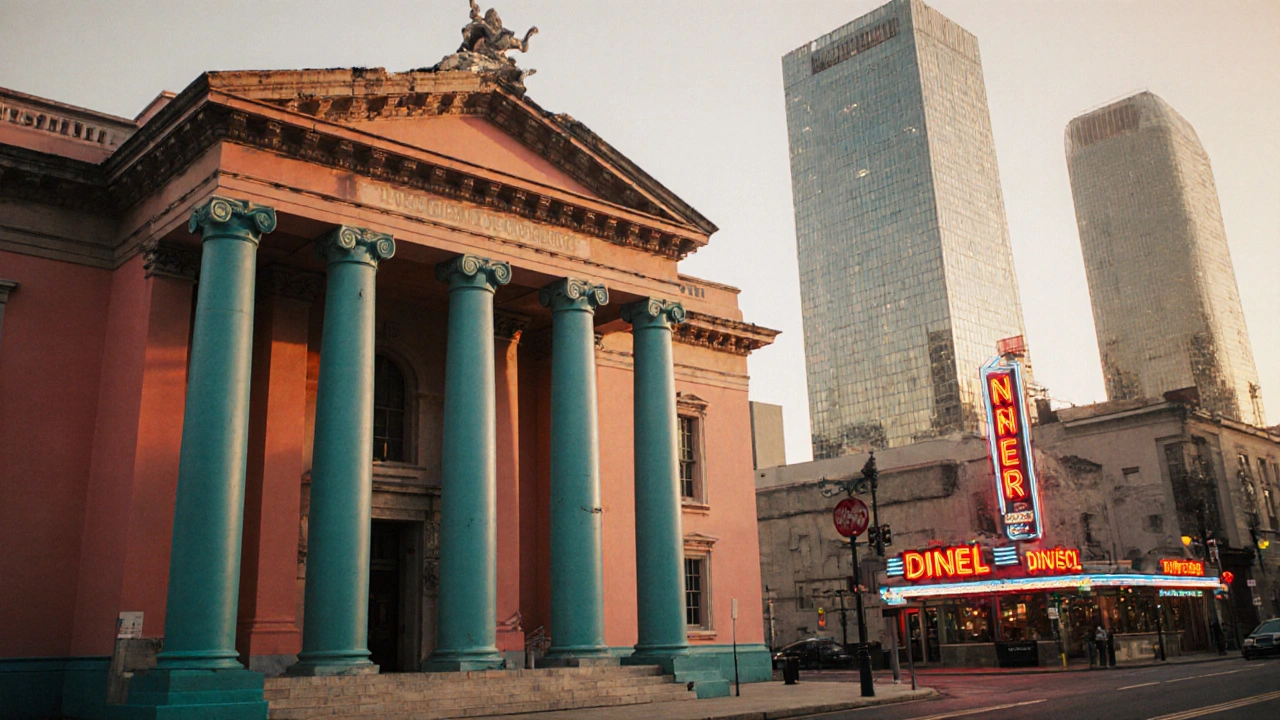
Postmodern Architecture: The Ultimate Fusion of Styles
Postmodern architecture breaks rules by mixing historical styles, bold colors, and playful forms. It rejects minimalism in favor of meaning, humor, and cultural references-creating buildings that tell stories, not just house them.
Read more
The Iconic Structures of Greek Revival Architecture
Greek Revival architecture used ancient Greek temple designs to express democracy and order in the 19th century. From U.S. courthouses to Southern mansions, its white columns and symmetrical forms became symbols of civic pride.
Read more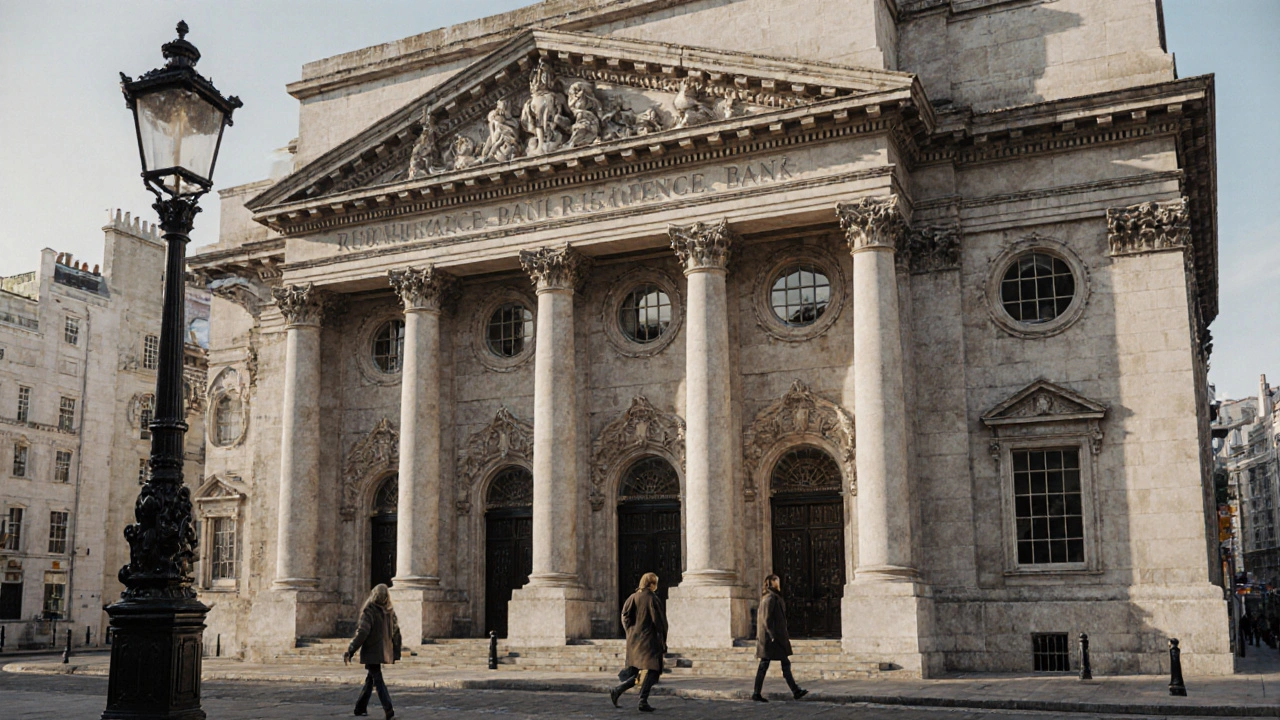
Exploring the Grandeur of Renaissance Revival Architecture
Renaissance Revival architecture brought classical symmetry, arched windows, and palazzo-style grandeur to 19th-century buildings worldwide. Discover its key features, global examples, and why it still shapes our cities today.
Read more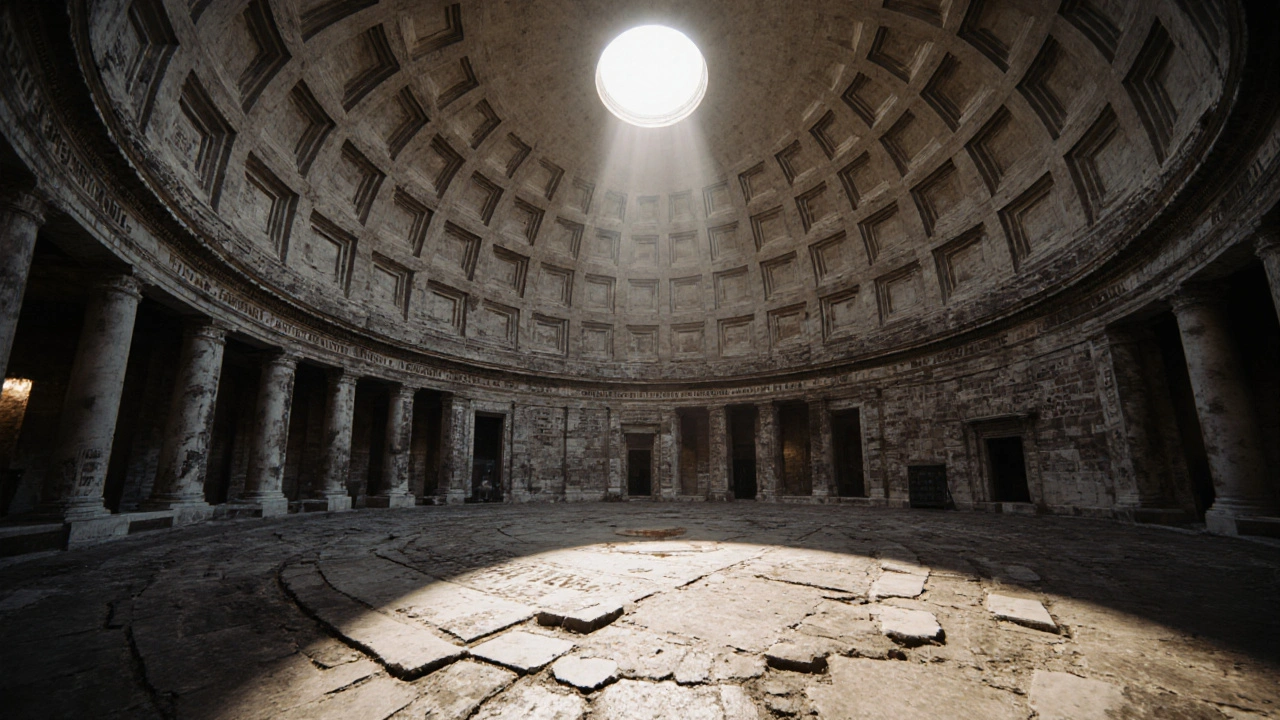
Ancient Roman Architecture: How Rome Built an Empire with Stone and Concrete
Ancient Roman architecture revolutionized construction with concrete, arches, and aqueducts. Its innovations in engineering and urban design still shape buildings and cities today.
Read more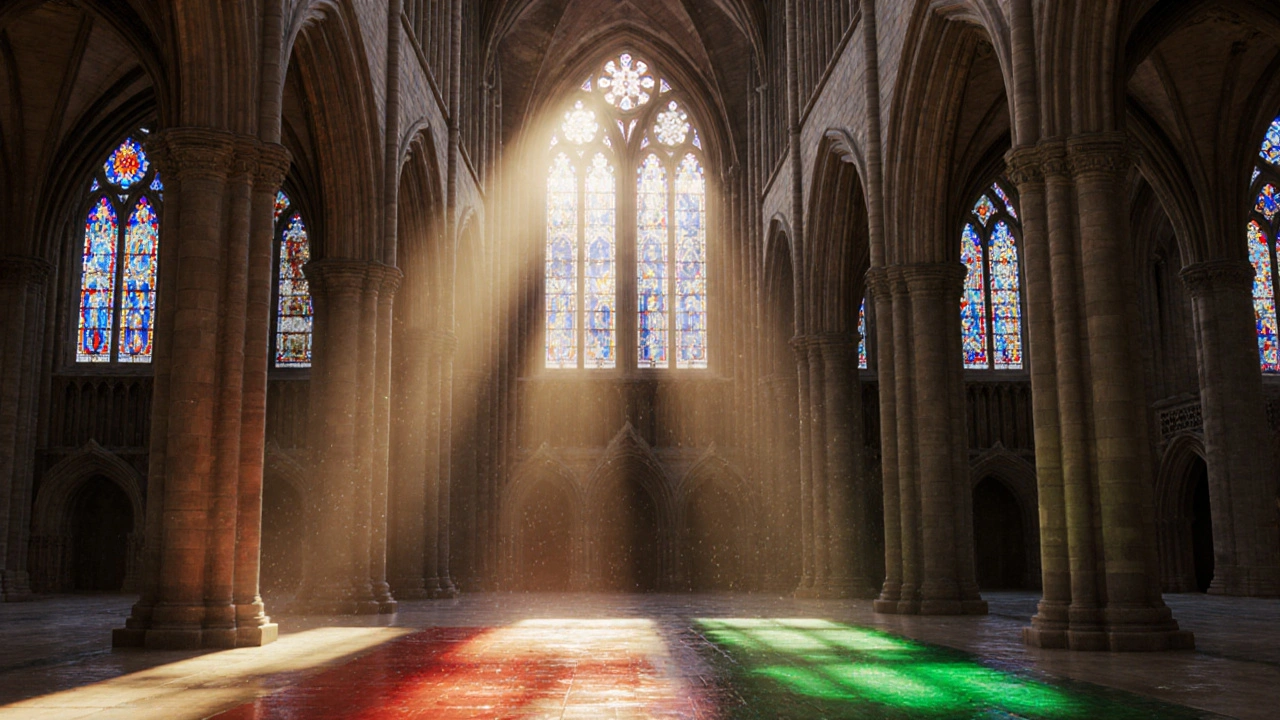
Gothic Architecture: Beyond the Dark Aesthetic
Gothic architecture isn't just dark and mysterious-it's a brilliant fusion of engineering, light, and faith that shaped modern building design. Discover how pointed arches, stained glass, and flying buttresses created structures that still inspire today.
Read more
How Postmodern Architecture Changed City Skyscapes Forever
Postmodern architecture broke the rules of modernist design, bringing color, history, and humor back to city skylines. It made buildings tell stories-and changed how we experience urban spaces forever.
Read more
How the Renaissance Transformed Literature
The Renaissance turned literature from religious instruction into a mirror of human life. Writers began using everyday language, exploring inner thoughts, and creating complex characters - changing storytelling forever.
Read more