The Pioneers of Postmodern Architecture: A Retrospective
 May, 4 2026
We used to think modernism was the end of the line. For decades, glass boxes and steel skeletons ruled our skylines, promising efficiency through a strict "less is more" philosophy. But by the late 1960s, something shifted. Architects began to ask if buildings could be funny, historical, or even messy without losing their structural integrity. This shift gave birth to Postmodern architecture, a movement that rejected the rigid minimalism of Modernism in favor of ornamentation, historical references, and playful complexity. It wasn't just about looking different; it was about speaking to people again.
This retrospective looks at the key figures who broke the mold. They didn't just design buildings; they wrote manifestos, staged theatrical openings, and turned cities into canvases for cultural commentary. If you've ever wondered why some buildings have giant columns that don't hold anything up, or why a library might look like a classical temple mixed with a cartoon, you're looking at the legacy of these pioneers.
The Father of the Movement: Robert Venturi
You can't talk about postmodernism without starting with Robert Venturi. An American architect and theorist whose book 'Complexity and Contradiction in Architecture' challenged the dogma of Modernism. In 1966, he published this seminal text, which became the bible for those tired of sterile corporate aesthetics. His famous mantra, "Less is a bore," directly attacked Ludwig Mies van der Rohe's modernist creed.
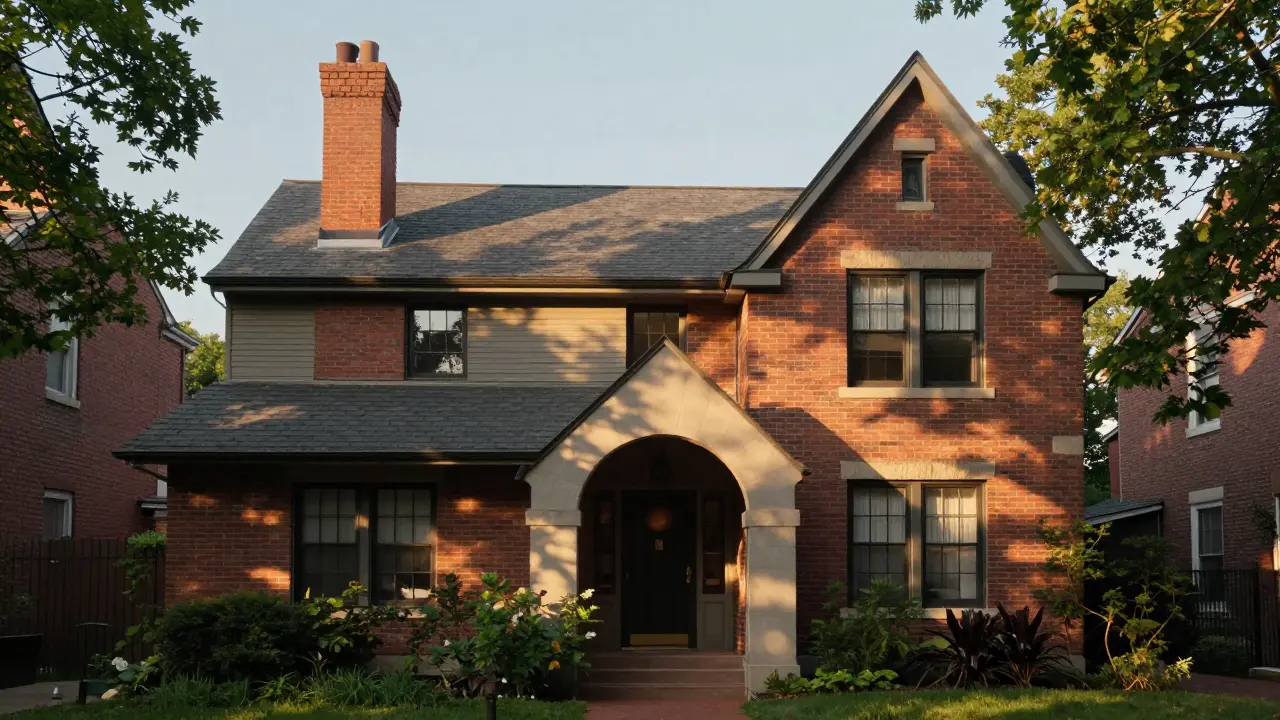
Venturi believed that architecture should reflect the messy reality of human life. He argued for inclusiveness rather than exclusivity. Look at his Vanna Venturi House. A residential project in Philadelphia designed as a gift for his mother, featuring a distorted chimney and an oversized arch that serves no structural purpose. Built in 1964, this house looked like a traditional home but twisted every rule. The gable roof was split, the facade was asymmetrical, and the arch was purely decorative. It was a declaration that form could follow feeling, not just function.
Venturi’s approach wasn't just theoretical. He taught at the University of Pennsylvania alongside Denise Scott Brown, his partner and collaborator. Together, they emphasized learning from Las Vegas-studying signs, billboards, and commercial sprawl to understand how communication works in the built environment. This focus on symbolism over pure structure laid the groundwork for the entire postmodern era.
Color, History, and Playfulness: Michael Graves
If Venturi provided the theory, Michael Graves. An American architect known for bringing bright colors and classical references back into public architecture. brought the paintbrush. As part of the "New York Five" initially, Graves quickly diverged from his peers to embrace historicism and ornament. He proved that large-scale institutional buildings could be vibrant and engaging.
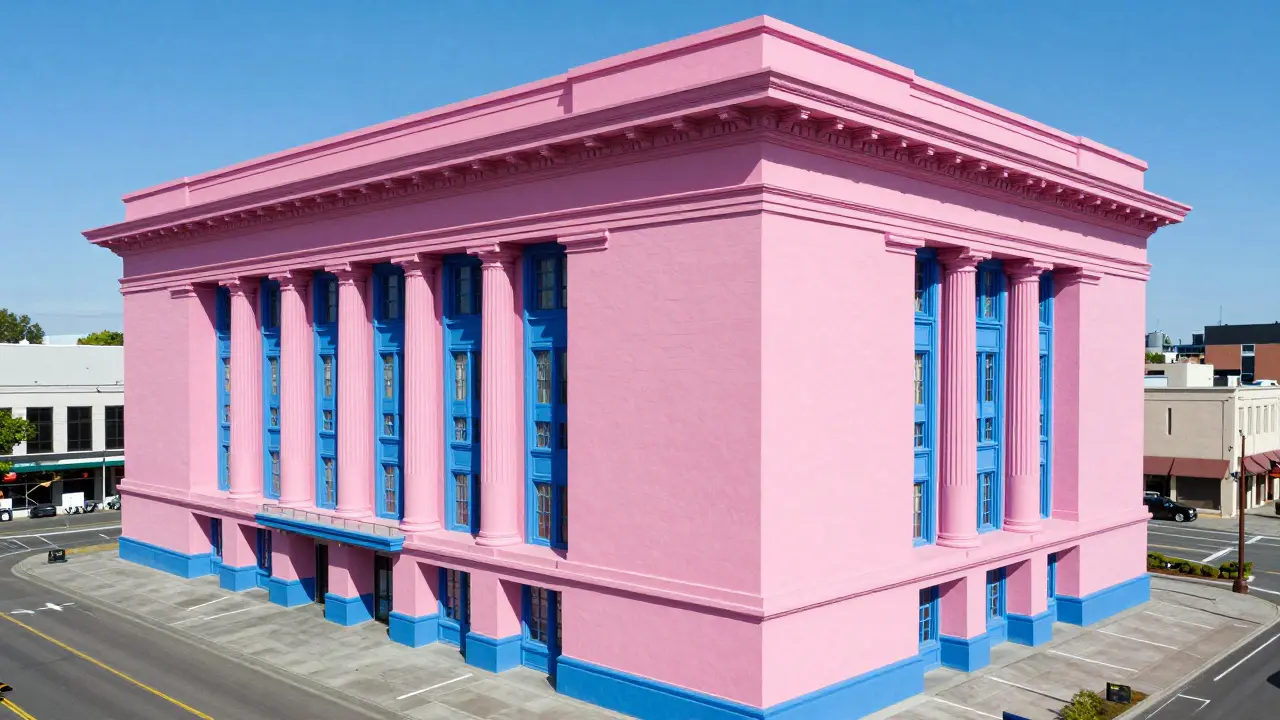
His most iconic work is likely the Portland Building. A city hall in Oregon completed in 1982, characterized by its massive scale, colorful facade, and sculptural elements. Completed in 1982, this building sparked immediate controversy. Critics called it garish; supporters saw it as a bold statement against gray urban monotony. With its pink and blue hues, giant pilasters, and sculptural cornices, it forced people to look up and notice their civic center. It showed that government buildings didn't have to feel cold or intimidating.
Graves also bridged the gap between high architecture and consumer culture. Later in his career, he designed household objects like coffee makers and chairs for Alessi. This move democratized postmodern design, putting its whimsical aesthetic into everyday homes. It reinforced the idea that good design isn't just for museums or skyscrapers-it's for everyone.
Theatrical Space and Personal Narrative: Charles Moore
While others focused on facades, Charles Moore. An American architect who pioneered the use of personal narrative and theatrical experience in spatial design. focused on how you felt inside a space. He was less concerned with historical accuracy and more with emotional resonance. Moore wanted architecture to tell a story, often drawing from literature, psychology, and his own biography.
A perfect example is the Bayou House. A private residence in Texas featuring a dramatic glass-enclosed pool area that blurs the boundary between interior and exterior. Located in Houston, this house uses a simple rectangular plan but transforms it through material choices and light. The central living area opens onto a pool via floor-to-ceiling glass walls, creating a seamless transition between indoors and outdoors. It feels like a stage set where daily life performs itself.
Moore also co-authored "Learning from Las Vegas" with Venturi and Scott Brown, further cementing the link between commercial signage and architectural expression. His later work, such as the Piazza d'Italia in New Orleans, used fragmented classical columns and neon lights to evoke nostalgia for Italian culture while remaining firmly rooted in American pop sensibility. It was architecture as theater, inviting viewers to participate in a shared cultural memory.
Deconstructing the Classical: Aldo Rossi
Crossing the Atlantic, we find Aldo Rossi. An Italian architect and member of the Radical Architecture group who explored the relationship between memory, history, and urban form. While American postmodernists were playing with color and irony, Rossi was digging deeper into the collective unconscious of cities. He won the Pritzker Prize in 1990, becoming the first Italian architect to receive the honor.
Rossi’s philosophy centered on the idea that certain buildings endure because they become part of the city's identity. He called these "monuments." Unlike Venturi’s playful symbols, Rossi’s forms were stark, geometric, and often somber. He believed that architecture should respect the existing urban fabric rather than impose new narratives upon it.
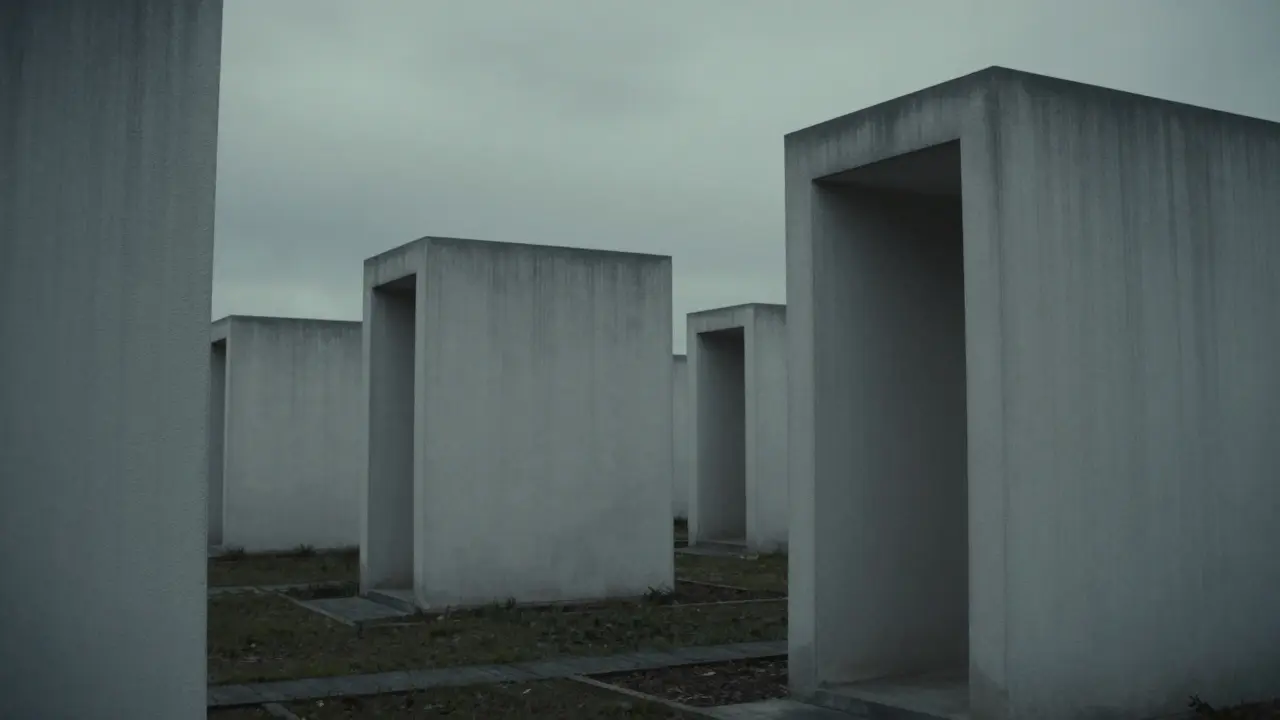
Consider the San Cataldo Cemetery. A funerary complex in Modena, Italy, designed with austere white concrete structures that emphasize silence and permanence. in Modena, Italy. Completed in 1963, this cemetery features simple, repetitive volumes that create a sense of timelessness. There’s no decoration here, just pure form and material. Yet, it profoundly influences how visitors experience grief and memory. Rossi showed that postmodernism doesn’t always mean bright colors-it can also mean a deep engagement with history and place.
Comparing the Pioneers
| Architect | Key Philosophy | Signature Style | Iconic Work |
|---|---|---|---|
| Robert Venturi | Complexity & Contradiction | Ironic symbols, distorted forms | Vanna Venturi House |
| Michael Graves | Historical Revival | Bright colors, classical orders | Portland Building |
| Charles Moore | Theatrical Experience | Narrative spaces, sensory design | Bayou House |
| Aldo Rossi | Urban Memory | Austere geometry, monolithic forms | San Cataldo Cemetery |
Legacy and Contemporary Influence
Did postmodernism die out? Not exactly. Its DNA is everywhere today. When you see a contemporary museum with a quirky, recognizable shape, or a corporate campus that mixes old brick with new glass, you’re seeing the influence of these pioneers. They taught us that buildings can communicate meaning beyond mere shelter.
Today’s architects often blend postmodern tactics with sustainable technology. We see green roofs on historically styled facades, or smart glass integrated into classical proportions. The debate continues: is ornament necessary? Does history matter? These questions remain relevant as we navigate an increasingly digital world. The pioneers remind us that architecture is ultimately about people-their memories, their emotions, and their need for places that feel alive.
What defines postmodern architecture?
Postmodern architecture is defined by its rejection of modernist minimalism. It embraces ornamentation, historical references, irony, and complexity. Buildings often feature playful shapes, bright colors, and symbolic elements that communicate meaning to the public.
Who is considered the father of postmodern architecture?
Robert Venturi is widely regarded as the father of postmodern architecture due to his influential book 'Complexity and Contradiction in Architecture' and his advocacy for inclusive, complex designs over simple modernist forms.
How does postmodernism differ from modernism?
Modernism emphasizes functionality, clean lines, and lack of decoration ('form follows function'). Postmodernism rejects this rigidity, introducing humor, historical allusions, and decorative elements to make buildings more relatable and expressive.
Why is the Portland Building significant?
Designed by Michael Graves, the Portland Building was one of the first major examples of postmodern public architecture. Its bold colors and classical references sparked intense debate about whether government buildings should be serious or expressive.
Is postmodern architecture still popular today?
While pure postmodernism has evolved, its principles live on. Many contemporary architects incorporate historical references, playful forms, and contextual sensitivity into their designs, blending postmodern ideas with modern sustainability goals.