The Crucial Role of Sustainable Architecture in Modern Society
 Feb, 21 2026
Buildings account for nearly 40% of global carbon emissions. That’s not a distant statistic-it’s the air you breathe, the heat in your home, the cost of your electricity bill. And yet, most of us never think about how the walls around us were made. Sustainable architecture isn’t just a trend. It’s the only way forward for cities to survive the next 50 years.
What Sustainable Architecture Really Means
Sustainable architecture isn’t about adding solar panels to a concrete box and calling it green. It’s a complete rethink of how buildings are designed, built, and used. It starts with materials: reclaimed timber, recycled steel, low-carbon concrete, and natural insulation like hemp or mycelium. It means designing for passive heating and cooling-using windows, shading, and airflow instead of AC units running 24/7.
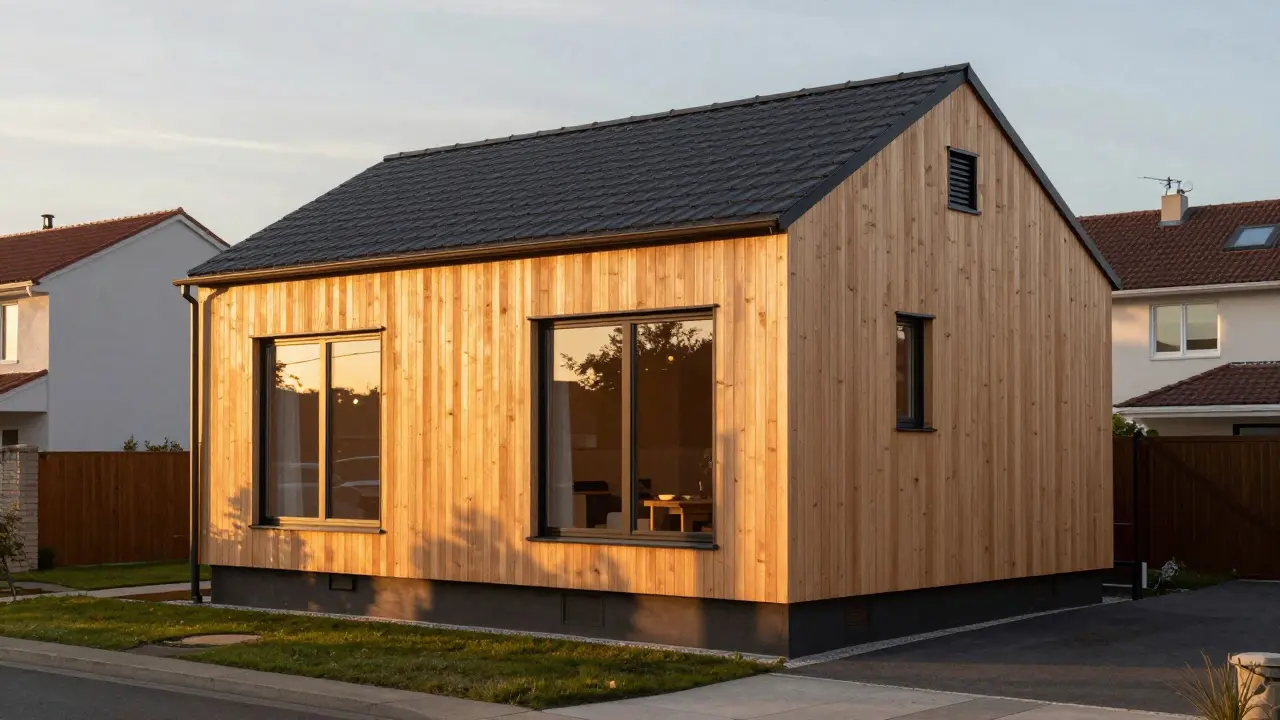
Take the Passive House is a building standard that reduces energy use for heating and cooling by up to 90% compared to conventional buildings. Originating in Germany in the 1990s, it’s now used from Norway to New Zealand. A Passive House doesn’t need a traditional furnace. Instead, it traps heat from sunlight, body heat, and appliances. The result? A home that stays warm in winter and cool in summer without burning fossil fuels.
Why It Matters More Than Ever
In 2025, the UN reported that urban populations will hit 68% of the global total by 2050. That means billions more people living in cities. If we keep building like we did in the 20th century-with steel, glass, and air conditioning-we’ll double energy demand in buildings alone. That’s not just bad for the planet. It’s unaffordable.
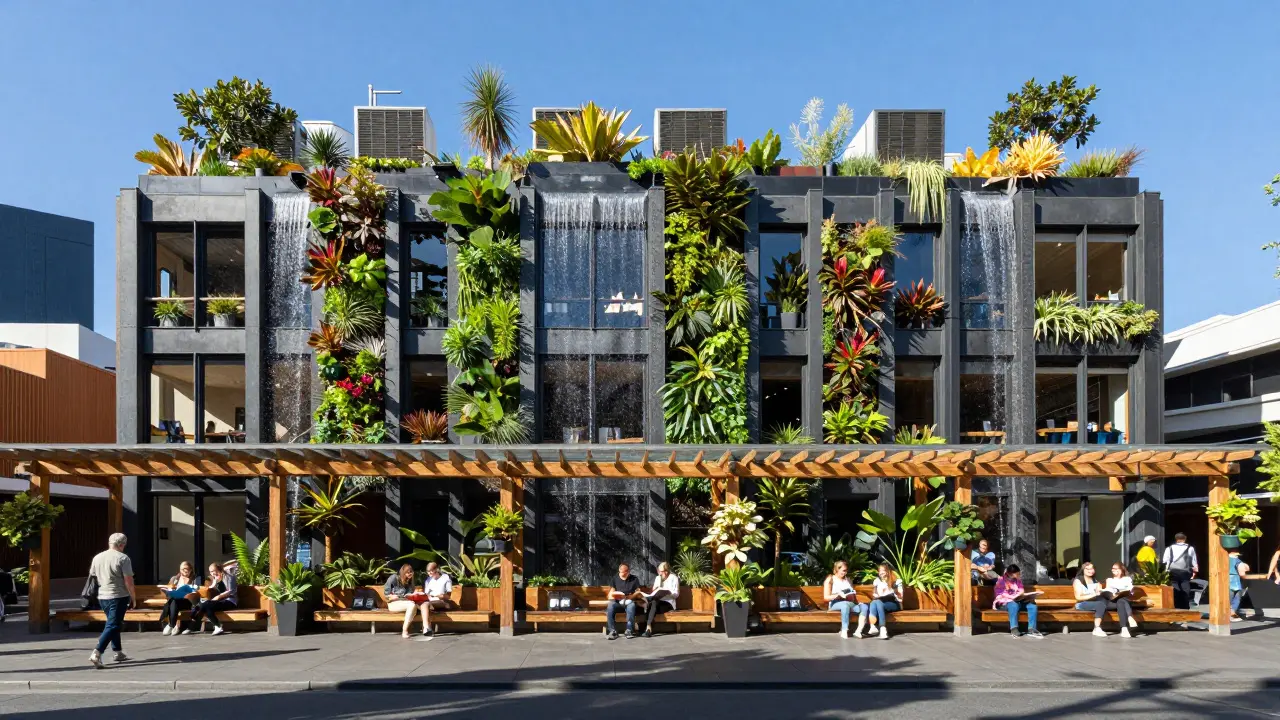
Look at Melbourne. The city’s average summer temperature has risen by 2.1°C since 1960. Heatwaves now last longer and hit harder. Buildings without proper insulation become death traps. But in 2023, the city launched a mandate: all new public buildings must meet Net Zero Carbon standards. That includes schools, libraries, and community centers. The first one, the Southbank Library, uses geothermal cooling, rainwater harvesting, and a rooftop farm. It cuts energy use by 75% and saves $180,000 a year in utility costs.
The Hidden Costs of Traditional Building
Most people think green buildings cost more. They don’t. Not anymore.
Concrete production emits 8% of the world’s CO₂. Steel? 7%. These materials dominate modern construction because they’re cheap to produce, not because they’re smart. But their true cost isn’t on the invoice-it’s in health, climate damage, and long-term energy bills.
A 2024 study from the University of Melbourne tracked 1,200 homes over five years. Homes built with sustainable materials had 30% fewer asthma cases among children. Workers in naturally lit offices reported 15% higher productivity. And energy bills? On average, 50% lower.
It’s not magic. It’s basic physics. Better insulation means less heat escapes. Natural ventilation means less need for mechanical systems. Solar orientation means you don’t need to pay for electricity to warm your home in winter.
How It’s Changing Cities
Sustainable architecture isn’t just about single buildings. It’s about reimagining neighborhoods.
Barcelona’s Superblocks program turned 500 streets into pedestrian zones, cutting air pollution by 25%. Singapore’s Green Mark program requires every new building to include vertical gardens, solar panels, or water recycling. In Copenhagen, 95% of new housing is designed to be carbon-neutral by 2030.
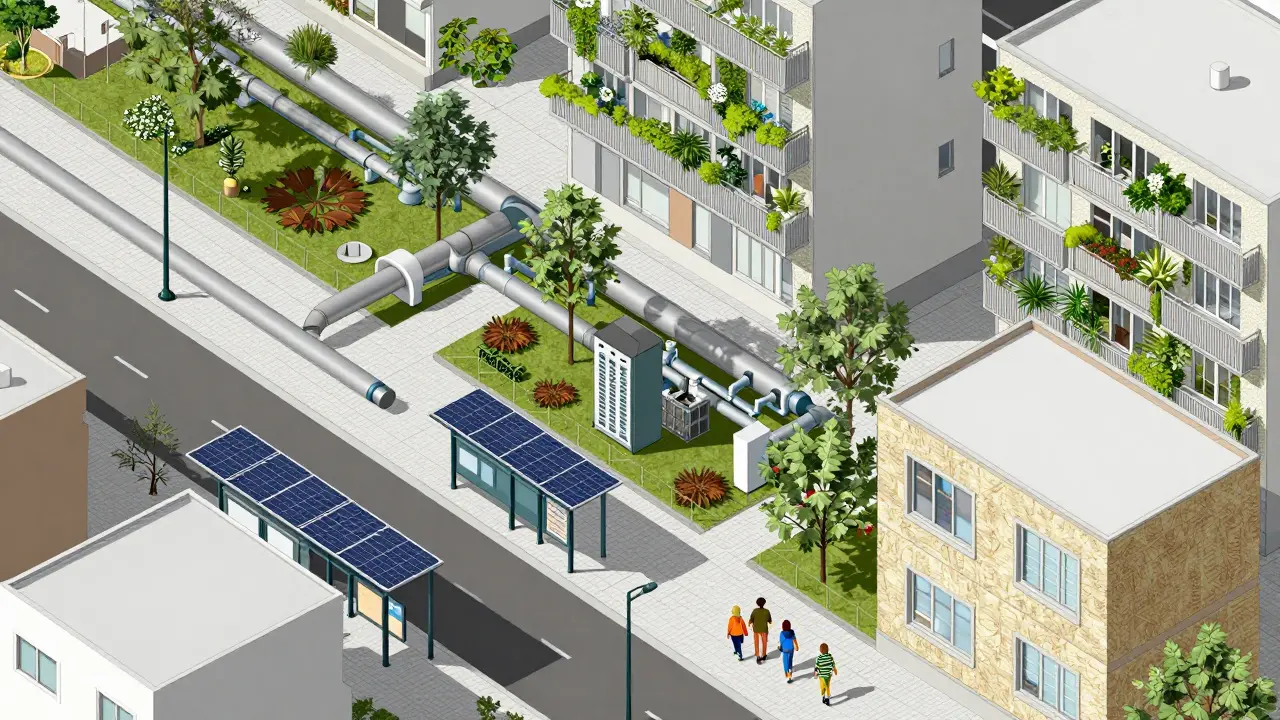
Here in Melbourne, the Docklands precinct now has a district heating system powered by waste heat from data centers. That heat warms 30 apartment buildings. No gas. No oil. Just reuse. And it’s cheaper than traditional heating.
These aren’t experiments. They’re blueprints. Cities that adopt this approach don’t just reduce emissions-they become more livable, more resilient, and more economically stable.
The Myths That Hold Us Back
There are three big lies about sustainable architecture:
- "It’s too expensive." The upfront cost of a green building is now only 2-5% higher than conventional construction-and that gap is closing fast. In Australia, government rebates and tax incentives cover most of it.
- "It looks weird." Look at the Melbourne School of Design. Sleek, modern, glass and timber. It won international awards. It doesn’t look like a greenhouse-it looks like a university.
- "It’s only for rich people." Social housing projects in Vienna and Berlin use sustainable design to cut costs for low-income residents. One building in Berlin saves tenants $400 a year on energy bills.
The truth? Sustainable architecture is the most affordable way to build right now. The cost of ignoring it-through rising energy prices, health crises, and climate disasters-is far higher.
What You Can Do
You don’t need to build a house from scratch to make a difference.
- If you’re renovating, swap out old windows for double-glazed ones. You’ll cut heating costs by 20%.
- Choose insulation made from recycled denim or wool. It’s non-toxic and lasts longer than fiberglass.
- Ask your builder if they use low-carbon concrete. It’s available now and costs the same.
- Support local policies that require green standards for new buildings. Cities change when people demand it.
One home at a time, one policy at a time-we’re rebuilding the world. Not with concrete and steel, but with intelligence, care, and foresight.
Is sustainable architecture only for new buildings?
No. Retrofitting existing buildings is one of the most effective ways to reduce emissions. Upgrading insulation, sealing air leaks, switching to LED lighting, and installing smart thermostats can cut a building’s energy use by 30-50%. Many cities now offer grants for retrofits, especially for older homes and public buildings.
Do sustainable buildings cost more to build?
Initially, yes-but only by 2-5%. Over time, they save money. Lower energy bills, reduced maintenance, and higher property values offset the upfront cost within 5-8 years. In Australia, government rebates and tax breaks often cover the difference. The real cost is building the old way: paying for energy, health problems, and climate damage for decades.
What’s the difference between green building and sustainable architecture?
Green building often focuses on adding eco-friendly features-like solar panels or recycled materials. Sustainable architecture goes deeper. It considers the entire lifecycle: where materials come from, how they’re made, how the building uses energy, how it’s maintained, and how it’s eventually demolished. It’s systems thinking, not just adding a few perks.
Are there government incentives for sustainable buildings?
Yes. In Australia, the Residential Efficiency Scorecard offers rebates for energy-efficient upgrades. Many states provide tax deductions for solar installations and water-saving systems. The federal government also funds green infrastructure through the National Construction Code. Local councils often have additional grants-for example, Melbourne offers up to $5,000 for home retrofits that meet sustainability standards.
Can sustainable architecture help with climate resilience?
Absolutely. Buildings designed with sustainability in mind are better at handling extreme weather. Green roofs absorb rainwater and reduce flooding. Thermal mass keeps interiors cool during heatwaves. Natural ventilation reduces reliance on power grids that fail in storms. In places like Melbourne, where heatwaves are becoming more frequent, these features aren’t optional-they’re lifesavers.
What Comes Next
The future of architecture isn’t about taller towers or flashier facades. It’s about buildings that heal the environment instead of harming it. That means using less, reusing more, and designing with nature-not against it.
By 2030, every new building in Australia must meet Net Zero Carbon standards. That’s not a dream. It’s law. And it’s already happening. The shift isn’t coming. It’s here. The question isn’t whether we should build sustainably. It’s whether we’re ready to stop building the old way.