The Aesthetics of Tudor Architecture: An Architect's Perspective
 Jun, 13 2026
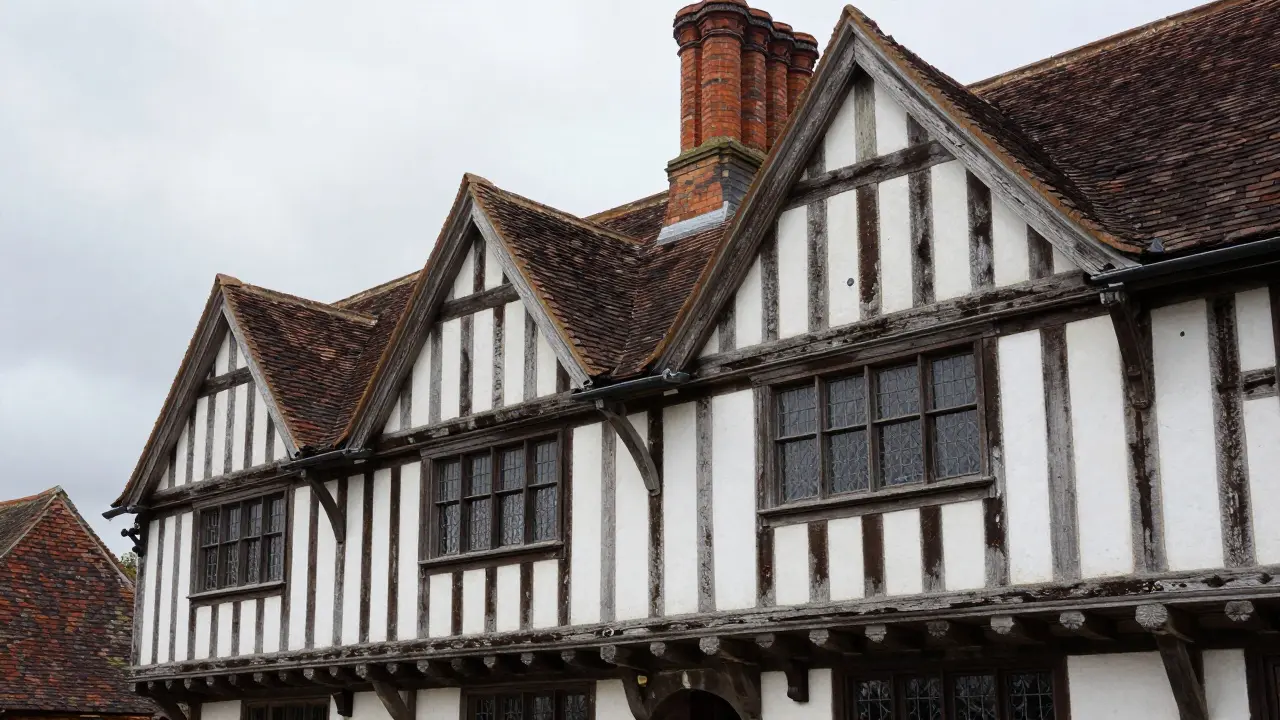
Walk past a classic English cottage or a stately manor house, and you will likely spot them: dark wooden beams crisscrossing against white plaster. It is an image so iconic that it has become shorthand for "English charm." But as an architect looking at these structures, I see something far more complex than just a pretty pattern. Tudor architecture is a style of building from the late medieval to early modern period in England, characterized by half-timbering, steep gables, and ornate chimneys. It represents a fascinating collision between structural necessity and emerging artistic expression. When we strip away the romanticized postcard version, we find a story about how people built with what they had, how climate dictated form, and how status was displayed through woodwork.
To understand why these buildings look the way they do, we have to look at the materials available in 16th-century England. Wood was abundant, but stone was expensive and heavy. The solution? Half-timbering is a construction method where a sturdy timber frame supports the building, with spaces filled by wattle and daub or brick. This wasn't just aesthetic choice; it was engineering. The timber frame carried the weight of the roof and floors, while the infill provided insulation and weather protection. Over time, builders began to play with the shapes of these timbers-curving them into arches, twisting them into spirals, and arranging them into decorative patterns known as jettied floors are upper stories that project beyond the floor below, creating extra interior space without expanding the building's footprint on the ground. This technique allowed merchants in crowded towns like London to maximize their living space while keeping the street width intact.
The Structural Logic Behind the Beauty
One of the most striking features of Tudor buildings is their asymmetry. Unlike the rigid symmetry of later Classical architecture, Tudor homes often look like they grew organically. Rooms were added as needed, wings extended when families expanded, and roofs were raised to accommodate new needs. This organic growth created a visual rhythm that feels alive rather than static. The steeply pitched roofs, often covered in clay tiles or slate, were designed to shed rain and snow efficiently-a practical response to England’s damp climate.
Chimneys became another focal point. In earlier medieval times, open hearths dominated, but by the Tudor era, enclosed fireplaces with elaborate chimney stacks became symbols of wealth and comfort. These weren’t just functional-they were sculptural. Builders carved intricate designs into the brickwork, turning smoke exhausts into statements of pride. You’ll often see multiple chimneys on a single house, each one marking a different room or function within the home.
Materials That Shape Identity
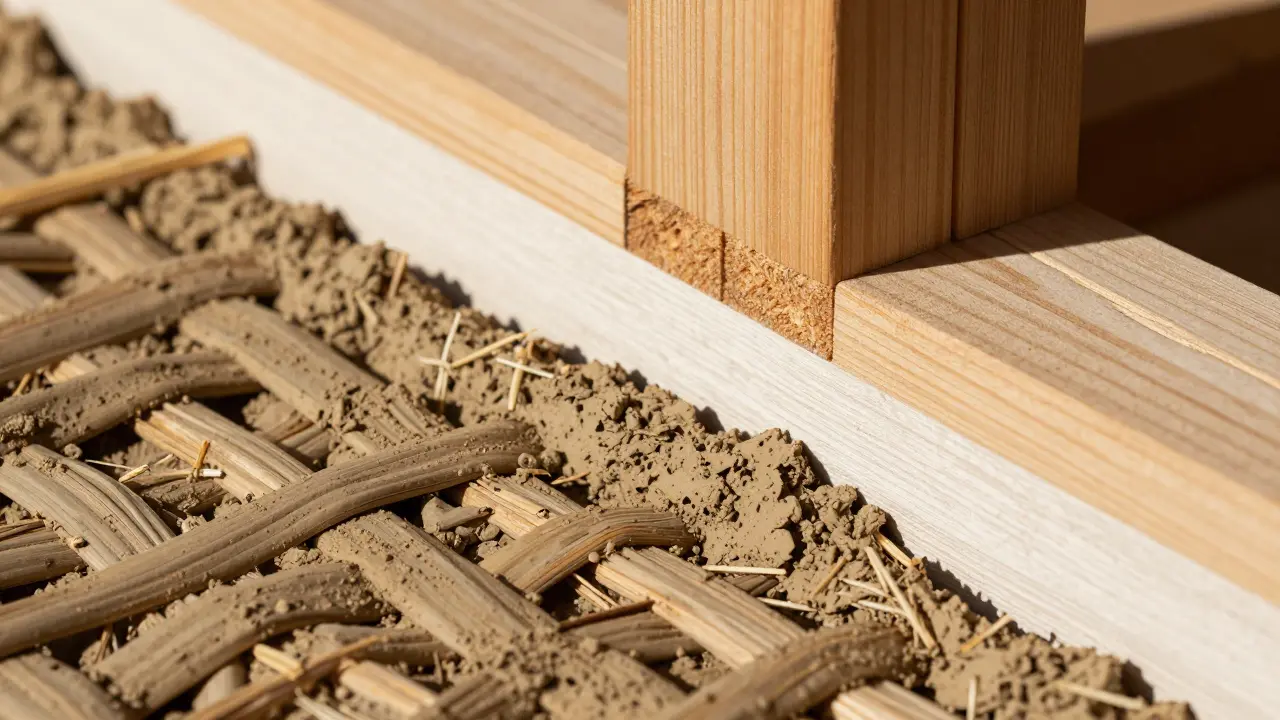
The materials used in Tudor architecture tell us a lot about regional identity and local resources. In areas where oak forests thrived, timber frames were robust and heavily decorated. In regions closer to quarries, stone foundations and lower walls became common, with timber reserved for upper levels. Even the infill material varied: Wattle and daub is a composite building material made of woven wooden strips (wattle) coated with a sticky mixture of clay, straw, dung, and lime (daub). This mix provided good thermal mass, keeping interiors warm in winter and cool in summer. Today, we might use fiberglass or spray foam, but back then, this natural blend was both effective and sustainable.
Color also played a role. While many imagine Tudor houses as black-and-white, historical records suggest that timber frames were often painted in bright colors-reds, blues, greens-to protect the wood from rot and insects. White plaster contrasts sharply with dark wood, making the structure pop visually. This high-contrast palette isn’t just eye-catching; it highlights the craftsmanship of the joinery and reinforces the building’s skeletal nature.
From Medieval Roots to Renaissance Flourishes
Tudor architecture didn’t emerge in a vacuum. It evolved from the medieval vernacular styles that preceded it, incorporating elements from Gothic design while beginning to absorb influences from the Italian Renaissance. As trade routes expanded and wealthy patrons traveled abroad, they brought back ideas about proportion, ornamentation, and spatial planning. We see this in the introduction of symmetrical facades, classical columns, and decorative motifs inspired by ancient Roman art.
Yet, despite these external influences, Tudor buildings retained a distinctly English character. They remained grounded in local traditions, using familiar techniques and materials. This blend of old and new creates a unique aesthetic-one that feels both timeless and rooted in place. For architects today, studying this period offers valuable lessons in balancing innovation with tradition.
The Rise of Tudor Revival
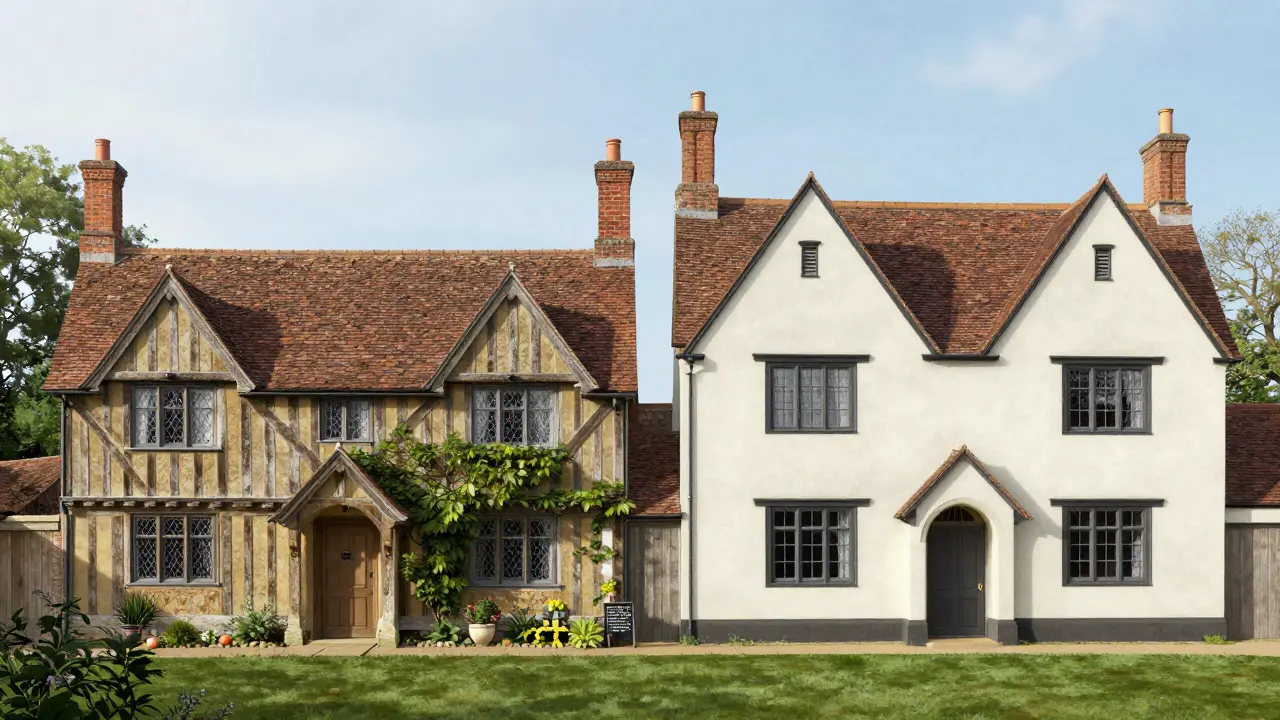
If you’ve ever visited North America or seen suburban neighborhoods in Europe, you’ve probably encountered Tudor Revival architecture is a revival style popular in the late 19th and early 20th centuries, especially in Britain and the United States, which imitates the look of original Tudor buildings. This movement wasn’t about recreating history-it was about evoking a sense of nostalgia, stability, and craftsmanship during periods of rapid industrialization. Developers loved the style because it looked distinctive yet felt approachable. Homeowners appreciated its cozy, inviting appearance.
In the U.S., Tudor Revival gained traction after World War I, particularly in California and the Midwest. Builders adapted the style to suit local climates and budgets, sometimes substituting stucco for plaster and using steel frames instead of traditional timber. Despite these changes, the core visual language remained intact: exposed beams, steep roofs, and arched doorways. Today, these homes are highly sought after for their charm and durability.
Design Principles That Still Matter
What can modern architects learn from Tudor buildings? First, there’s the importance of honesty in construction. Tudor buildings don’t hide their structure-they celebrate it. The timber frame is visible, the joints are exposed, and the layers of material are clearly defined. This transparency builds trust with viewers and gives the building a sense of integrity.
Second, Tudor architecture teaches us to work with context. Whether responding to climate, terrain, or cultural expectations, these buildings fit seamlessly into their surroundings. They don’t impose themselves on the landscape; they belong to it. In an age where sustainability is paramount, this mindset is more relevant than ever.
Finally, Tudor design reminds us that beauty doesn’t require uniformity. The irregularities, the variations in beam thickness, the slight tilts in rooflines-all contribute to a human scale that resonates emotionally. Perfect symmetry may please the eye, but imperfection engages the heart.
| Feature | Original Tudor (1485-1603) | Tudor Revival (Late 19th-Early 20th Century) |
|---|---|---|
| Construction Method | Timber frame with wattle and daub infill | Stucco over wood or steel frame, simulated half-timbering |
| Roof Pitch | Steeply pitched, clay tile or slate | Steeply pitched, asphalt shingles or synthetic tiles |
| Chimneys | Multiple brick chimneys, ornate carvings | Simplified brick or stone chimneys, less detail |
| Windows | Small leaded glass panes, casement windows | Larger multi-pane windows, often double-hung |
| Interior Layout | Organic, additive rooms around central hall | More standardized floor plans, influenced by modern living |
Preserving Heritage in Modern Contexts
Today, preserving authentic Tudor buildings presents challenges. Many original structures have been altered over centuries, losing key details or replaced entirely. Restoration projects must balance historical accuracy with contemporary needs like energy efficiency and accessibility. One approach involves reinforcing existing timber frames while upgrading insulation behind the plaster. Another uses breathable paints and mortars that mimic historic finishes without trapping moisture.
New constructions inspired by Tudor aesthetics face similar dilemmas. Should they replicate every detail, or adapt the style to current standards? The best solutions honor the spirit of the original-its warmth, texture, and connection to place-without pretending to be something they’re not. Authenticity lies not in copying forms, but in understanding principles.
What makes Tudor architecture distinct from other medieval styles?
Tudor architecture stands out due to its emphasis on half-timbering, jettied floors, and ornate chimneys. Unlike earlier medieval styles that relied heavily on stone, Tudor buildings embraced wood as a primary structural element, allowing for greater flexibility and decoration. The integration of Renaissance influences also set it apart, introducing more refined proportions and decorative elements.
Why are Tudor houses often asymmetric?
Asymmetry in Tudor homes reflects their organic development. Buildings were expanded over time based on family needs, economic conditions, and available land. There was no strict adherence to symmetry until later architectural movements emphasized order and balance. This additive process resulted in dynamic, lived-in appearances.
Is Tudor Revival the same as original Tudor architecture?
No. Tudor Revival is a reinterpretation of the original style, popularized in the late 19th and early 20th centuries. While it mimics key features like half-timbering and steep roofs, it often uses modern materials and simplified details. Original Tudor buildings reflect genuine historical construction methods and regional adaptations.
How did Tudor architects handle insulation before modern materials?
They relied on thick walls made of wattle and daub, which provided excellent thermal mass. Timber frames helped distribute heat evenly, and small windows minimized drafts. Fireplaces served as primary heating sources, with chimneys designed to draw smoke efficiently. These passive strategies kept interiors comfortable year-round.
Can Tudor-style homes be energy efficient today?
Yes, with careful retrofitting. Upgrading insulation behind plaster, installing high-performance windows, and adding air sealing measures can significantly improve efficiency. Solar panels and heat pumps can integrate discreetly without compromising the aesthetic. The key is maintaining breathability to prevent moisture buildup in older materials.
Where can I find well-preserved examples of Tudor architecture?
Notable locations include Stratford-upon-Avon (Shakespeare’s Birthplace), Hampton Court Palace, and various villages in Cotswolds and Yorkshire. In the U.S., cities like Pasadena, Los Angeles, and Chicago feature prominent Tudor Revival neighborhoods. Historic preservation societies often maintain guides to accessible sites.