Postmodern Design: Where Humor, History, and Bold Shapes Redefine Architecture and Art
When you think of postmodern design, a reaction against the cold uniformity of modernist architecture that embraced playfulness, historical references, and bold color. Also known as postmodern architecture, it didn’t just build structures—it told stories. While modernism said ‘less is more,’ postmodernism whispered, ‘why not more?’ It mixed classical columns with neon signs, turned rooftops into playful sculptures, and turned office towers into giant chess pieces. It wasn’t about perfection—it was about personality.
This style didn’t just show up in buildings. It spilled into interiors, graphic design, and even furniture. You see it in the curved facades of buildings like the Portland Building, the ironic pediments on shopping malls, and the pastel stripes on hotels that look like they stepped out of a 1980s movie. postmodern architecture, a movement that rejected the idea that form must follow function alone. Also known as architectural style, it treated buildings like characters in a novel—flawed, expressive, and full of references. It pulled from Gothic arches, Egyptian obelisks, and Renaissance symmetry, then twisted them just enough to make you smile—or raise an eyebrow. And that was the point. It asked: Why should a building be serious all the time?
It also changed how we experience cities. Before postmodern design, urban landscapes often felt like copies of the same sterile blueprint. After? Skyscrapers became landmarks not because they were tall, but because they were memorable. A bank might have a broken pediment. A library might wear a crown of colored tiles. These weren’t accidents—they were declarations. urban landscapes, the physical and visual fabric of cities shaped by design choices over time. Also known as city design, they became canvases for cultural commentary, not just containers for offices and apartments. People didn’t just pass by these buildings—they stopped, took photos, argued about them. That’s the power of postmodern design: it made architecture personal.
And it’s still here. You’ll find its fingerprints in today’s mixed-use developments, in restaurants that mix vintage signage with sleek lines, and in public spaces that refuse to be boring. It didn’t replace modernism—it gave it a sense of humor. The posts below explore how this movement reshaped skylines, challenged norms, and turned buildings into conversation starters. Whether you love it or hate it, you can’t ignore it. And that’s exactly what postmodern design wanted.
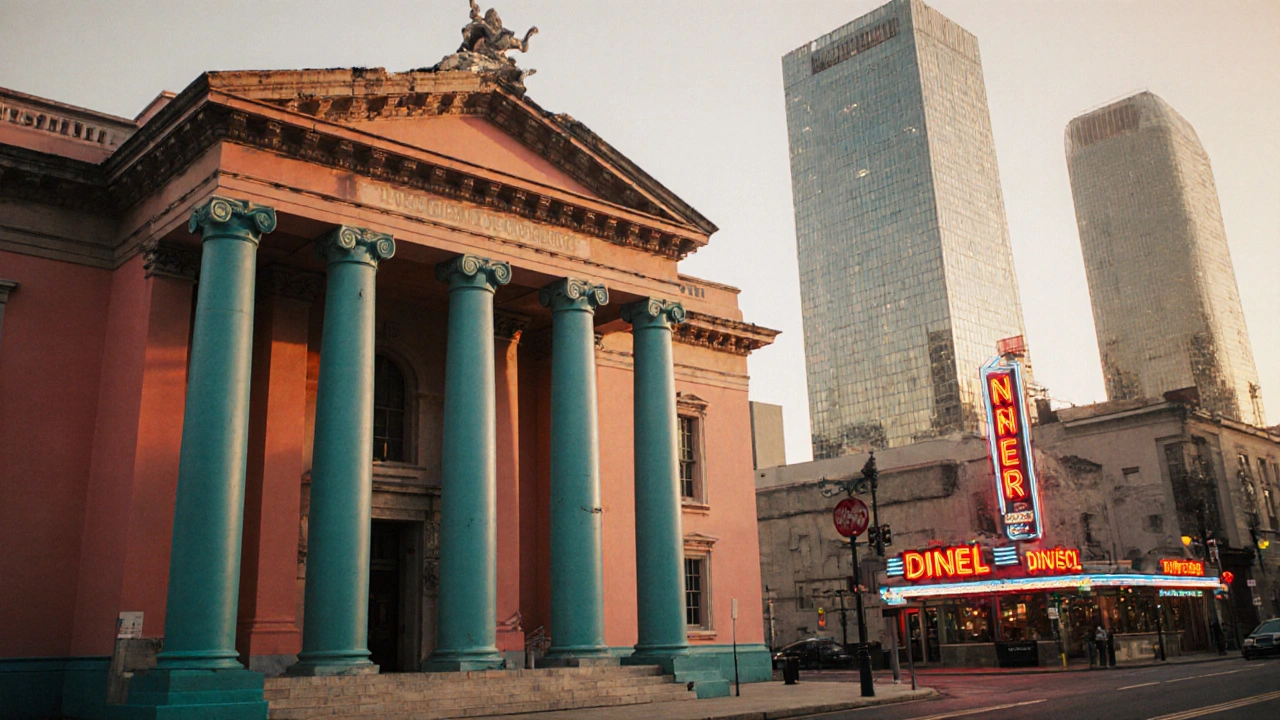
Postmodern Architecture: The Ultimate Fusion of Styles
Postmodern architecture breaks rules by mixing historical styles, bold colors, and playful forms. It rejects minimalism in favor of meaning, humor, and cultural references-creating buildings that tell stories, not just house them.
Read more