Georgian Homes: Classic Symmetry, Elegant Details, and Timeless Design
When you think of a classic British or American home with tall windows, a centered door, and perfect balance, you’re likely picturing a Georgian home, a style of architecture that flourished between 1714 and 1830 under the reigns of Britain’s first four King Georges. Also known as Georgian architecture, it’s not just old—it’s a masterclass in order, restraint, and refined beauty. Unlike the flashy curves of Rococo or the heavy drama of Gothic, Georgian homes speak quietly. They don’t shout. They stand tall, calm, and perfectly aligned.
This style didn’t just appear out of nowhere. It grew from the Renaissance love of classical proportions and the Enlightenment’s obsession with reason and harmony. Builders used brick or stone, kept ornamentation minimal, and relied on symmetry to create a sense of calm. A typical Georgian home has five windows across the front, a door right in the middle, and a pediment above it. Inside, high ceilings, wooden paneling, and fireplaces with carved mantels were standard. These weren’t just houses—they were statements of taste, wealth, and social order. And they still are. Today, you’ll find Georgian homes in Boston’s Back Bay, London’s Bloomsbury, and even in quiet suburban neighborhoods where people restore them with care.
Georgian homes don’t just look good—they were built to last. The materials were top quality, the craftsmanship was precise, and the layout was practical. The rooms flowed naturally, with public spaces in front and private ones in back. Many had rear service wings for kitchens and servants, keeping the main facade clean and elegant. This attention to detail made them different from later styles like Victorian, which piled on decoration. Georgian design was about discipline, not excess. It’s why architects today still study them. Even modern homes borrow from Georgian principles: balanced facades, clean lines, and a focus on natural light.
You’ll also notice how Georgian homes relate to other revival styles. Greek Revival borrowed the columns and pediments, but Georgian kept it simpler. Colonial Revival copied the overall shape, but often added more ornament. The real difference? Georgian homes feel grounded. They don’t try to impress. They just are. That’s why they never went out of style. Whether you’re restoring one, living in one, or just admiring it from the street, you’re seeing a design that valued structure over spectacle.
What you’ll find in the posts below are deep dives into how Georgian homes fit into the bigger picture of architectural history. You’ll see how they connect to the Arts and Crafts movement, how they influenced later revival styles, and why their clean lines still make sense in today’s world. No fluff. Just clear, useful insights into a style that shaped cities and still stands tall.
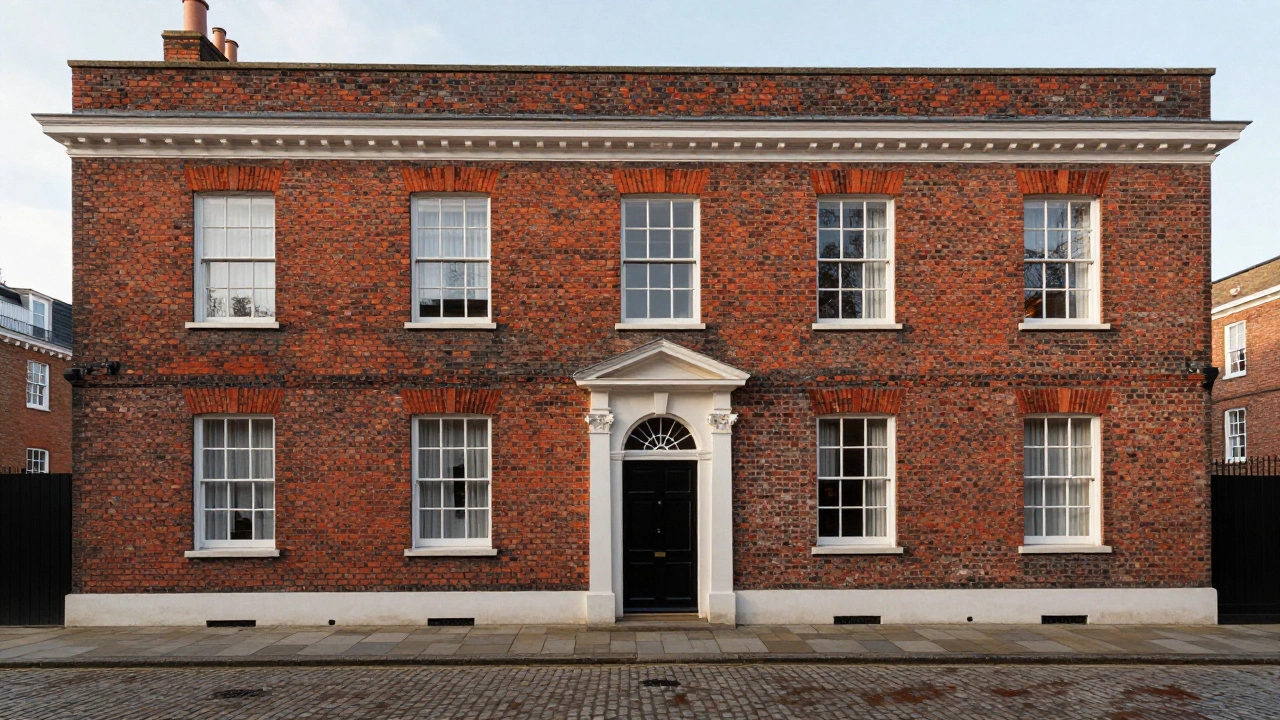
How Georgian Architecture Evolved Through Centuries
Georgian architecture evolved from classical principles into a timeless style defined by symmetry, proportion, and craftsmanship. Built between 1714 and 1830, its enduring appeal lies in its durability, functionality, and quiet elegance.
Read more