Functionality in Architecture and Art: How Form Serves Purpose
When we talk about functionality, the practical purpose behind a building or object, ensuring it works well for its users. Also known as practical design, it's what separates a structure that lasts from one that just looks good on a screen. Functionality isn’t a cold, technical detail—it’s the heartbeat of good design. Think about a Gothic cathedral: those flying buttresses aren’t just decorative. They hold up walls so tall, they let in more light. That’s functionality turning engineering into wonder. The same goes for a Craftsman bungalow—the exposed beams, the deep porches, the hand-finished wood—they all serve a real need for warmth, durability, and connection to the land.
Functionality doesn’t mean boring. In fact, some of the most beautiful buildings in history were built because they had to solve a problem. Roman aqueducts moved water across hills using gravity alone. Postmodern buildings use color and shape not just to shock, but to tell stories about culture and history. High-tech architecture uses smart materials and sensors to cut energy use. Even Rococo’s delicate curves weren’t just for looks—they made interiors feel intimate, cozy, alive. These aren’t accidents. They’re choices made by people who understood that beauty grows from use.
Art and architecture don’t exist in a vacuum. A painting might capture emotion, but a building has to hold people, keep them dry, let them move. That’s where design, the process of shaping spaces and objects to meet human needs. Also known as practical creation, it meets architecture, the art and science of designing buildings and physical environments. Also known as built form, it and practical design, the focus on usability, efficiency, and everyday experience in objects and spaces. Also known as user-centered design, it come together. You can’t have one without the other. A minimalist home might look clean, but if the kitchen doesn’t work, it fails. A sculpture might move you, but if it’s unsafe to walk around, it’s not a success.
What you’ll find here isn’t a list of rules. It’s a collection of real examples—buildings that work, art that responds to space, designs that lasted because they solved real problems. From Greek Revival columns that stood for democracy to Constructivist spaces that changed how we feel inside a room, every piece here shows functionality not as a constraint, but as a creative force.
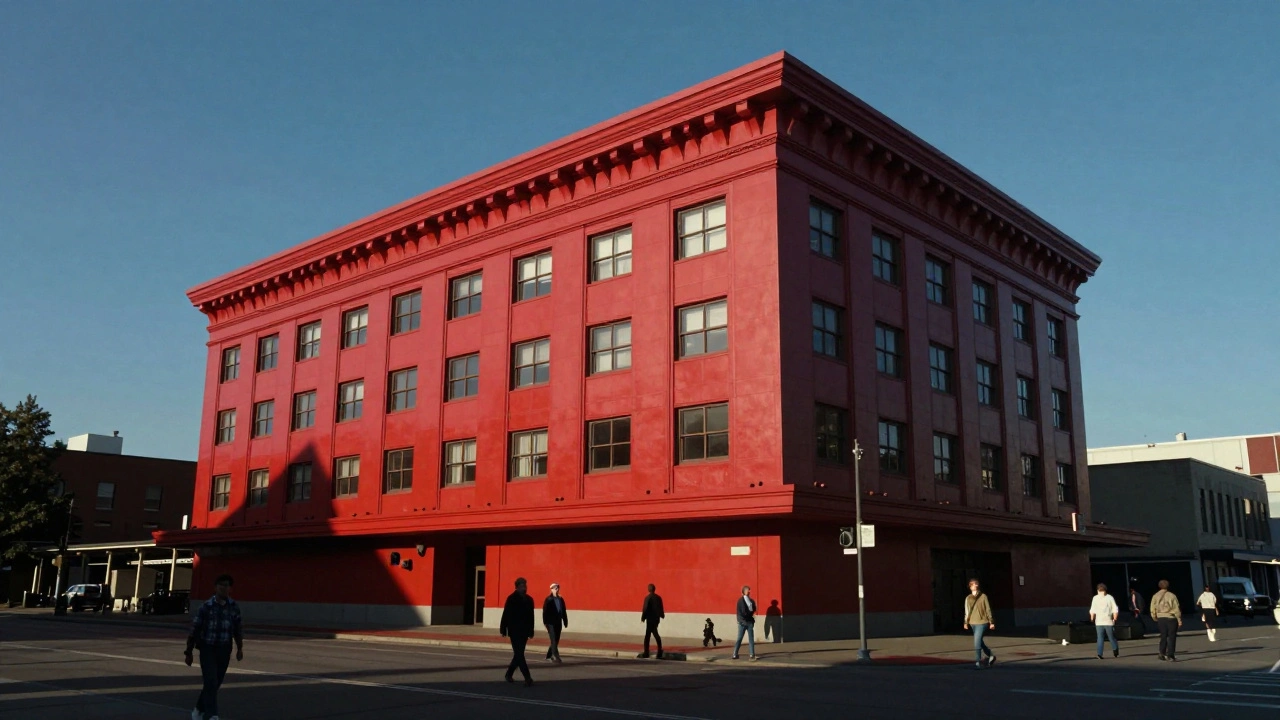
Postmodern Architecture: When Looks Trumped Function
Postmodern architecture challenged the cold minimalism of modernism with bold colors, historical references, and playful forms. But did it sacrifice function for flair? This is the story of when looks took center stage.
Read more