American Architecture: Easy Ways to Recognize Styles and Where to Find Them
Want to tell a Colonial from a Craftsman on your next walk? This page groups short, useful guides on American architecture so you can spot styles, understand what makes them different, and find real examples nearby. No jargon—just simple ID tips and practical ideas for homeowners, travelers, or casual architecture fans.
Quick timeline and signature styles
Think of American architecture as a playlist where songs change over time. Colonial (1700s–early 1800s) favors symmetry, central doors, and gable roofs—common in New England towns. Greek Revival (early-to-mid 1800s) borrows temple looks: tall columns and pediments, often used for courthouses and civic buildings. Gothic Revival (mid-1800s) shows pointed arches, steep roofs, and stained-glass windows—you’ll spot it on churches and some homes. American Craftsman (early 1900s) focuses on handcrafted details, low-pitched roofs, wide porches, and exposed woodwork—think bungalow neighborhoods in California.
Later movements matter too: Beaux-Arts and Renaissance Revival bring grand ornament and classical orders to city landmarks; Romanesque gives heavy stone walls and rounded arches; Art Nouveau adds flowing lines and nature-inspired details; Postmodernism mixes styles with bright colors and playful shapes. Each style left a visible mark on American streets and public buildings.
Practical tips: how to spot, preserve, and use these styles
When you look at a building, check four things: roof shape, windows, entry, and materials. Roofs tell a lot—gambrel or symmetrical gables often mean Colonial, while low, wide eaves suggest Craftsman. Tall columns point to Greek Revival; pointed windows scream Gothic Revival. Stone or heavy masonry with rounded arches? Think Romanesque. Curvy ironwork and organic motifs? That’s Art Nouveau. If you’re unsure, focus on the porch and door—those often hold the clearest stylistic clues.
If you own or renovate a period house, keep proportions and major features. A modern window can work, but keep the original opening size and trim. Use authentic materials when possible: wood clapboard for Colonial, stone or heavy brick for Romanesque, and exposed beams for Craftsman. For big changes, check your local historic commission—many towns have rules or incentives for preserving character.
Want to see examples? Walk older neighborhoods and civic centers. New England towns show Colonial homes. Washington, D.C., and many state capitals offer Greek Revival and Beaux-Arts public buildings. San Francisco and parts of the West feature Craftsman bungalows. College campuses and city churches are good bets for Gothic Revival and Romanesque gems.
Read the linked articles on this tag for deeper looks at each style—from practical renovation tips to travel lists of must-see buildings. Keep this page handy: it’s a quick reference while you walk, renovate, or plan the next architecture-focused trip.
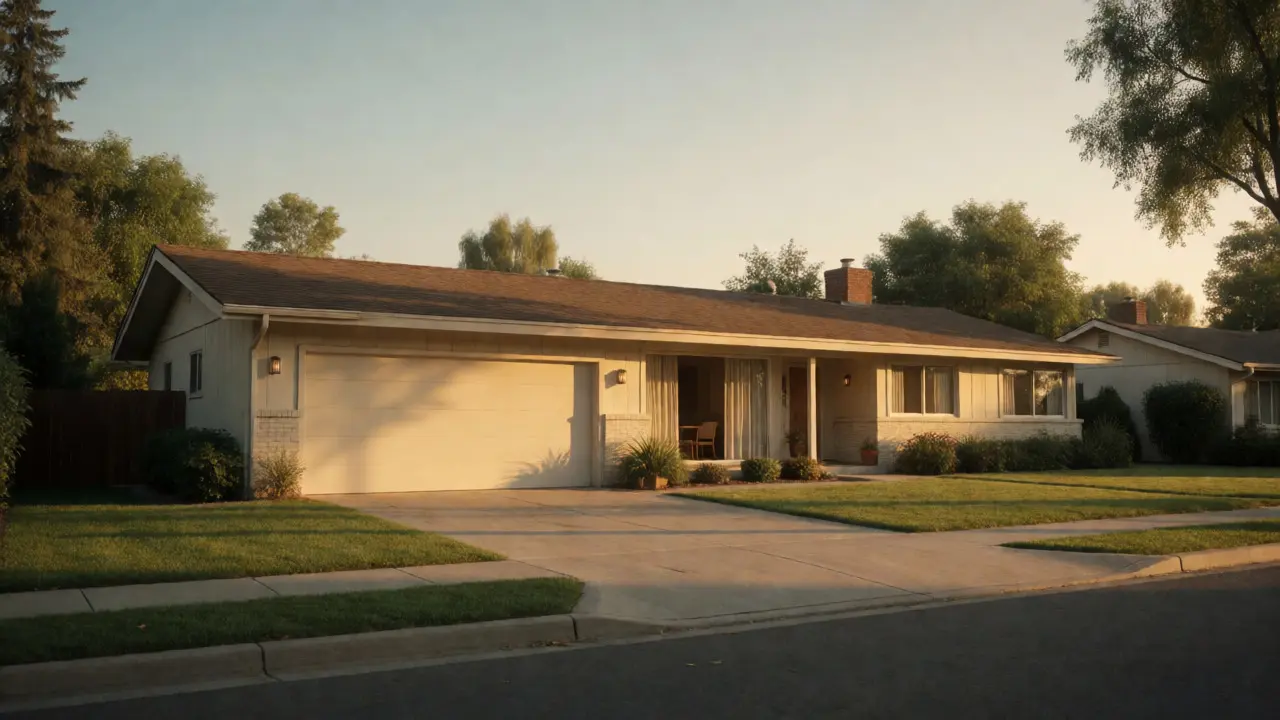
The Enduring Charm of the Ranch-Style House
Discover why the ranch-style house remains a top choice for homeowners. Explore its history, key features, and practical benefits for modern living.
Read more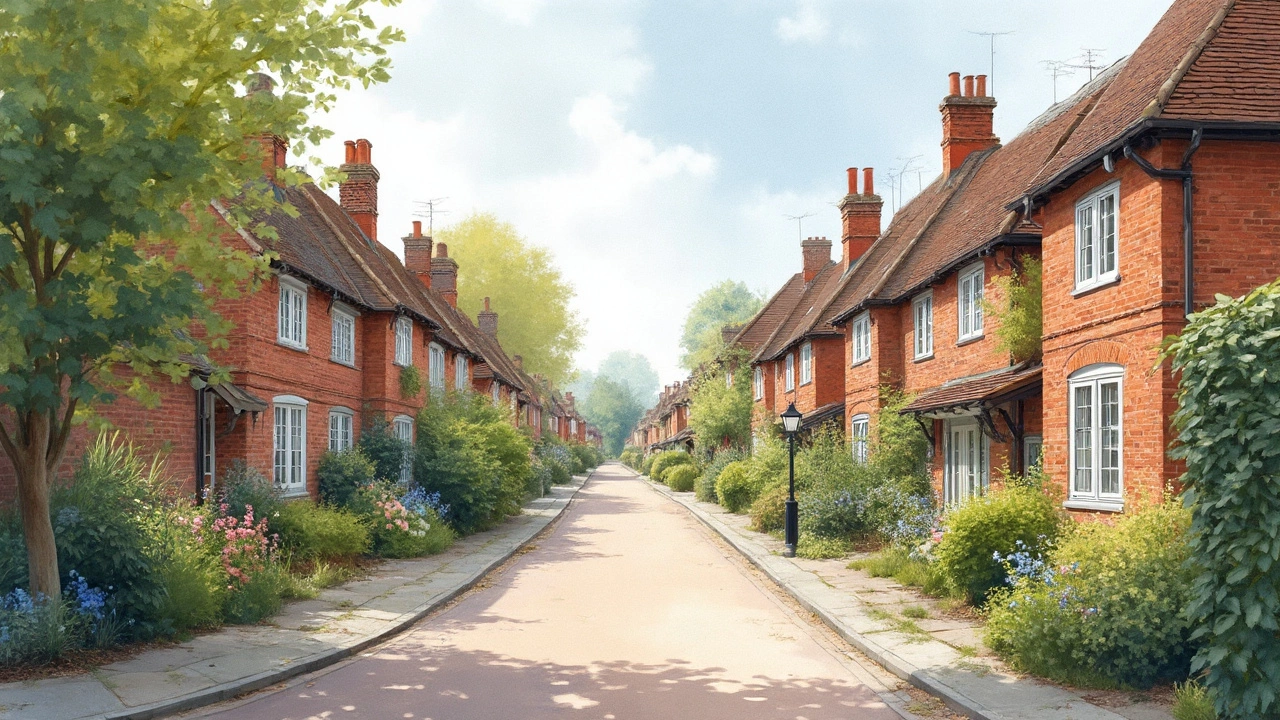
Exploring Dutch Colonial Revival Architecture: Unique Features and Historic Charm
Unpack the fascinating world of Dutch Colonial Revival homes. Discover unique features, practical tips, and why this design still turns heads today.
Read more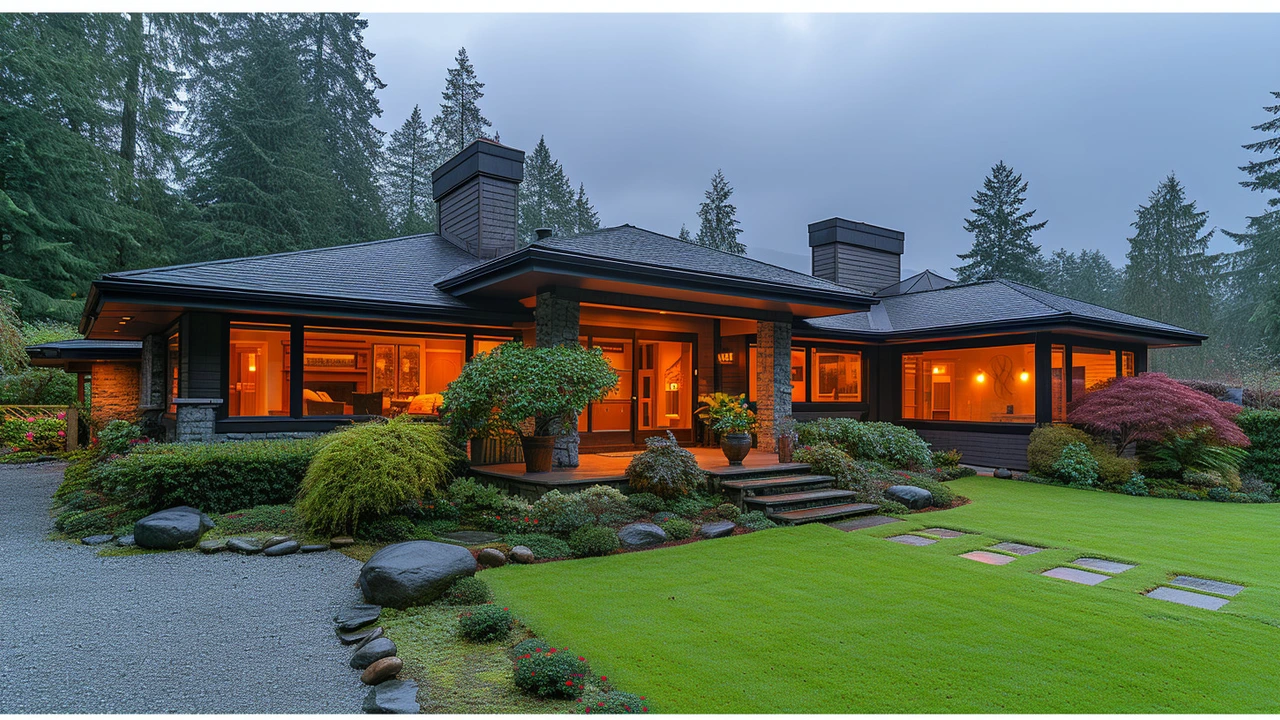
Ranch-Style House: A Love Story with American Architecture
Hey there! This article is a heartfelt narrative that beautifully brings out my love and deep admiration for the elegantly simplistic ranch-style houses that are a significant part of American architecture. Join me as I delve into their history, design elements, and enduring appeal that has made these homes an emblem of traditional American living. Expect an engaging mix of facts and personal anecdotes as we explore the undeniable charm of these single-story homes that have a story to tell in every brick. So, if you are intrigued by architecture or simply love a good story, this is the perfect read for you!
Read more