Sustainable Architecture: How Green Design Drives Positive Change
 Jun, 27 2026
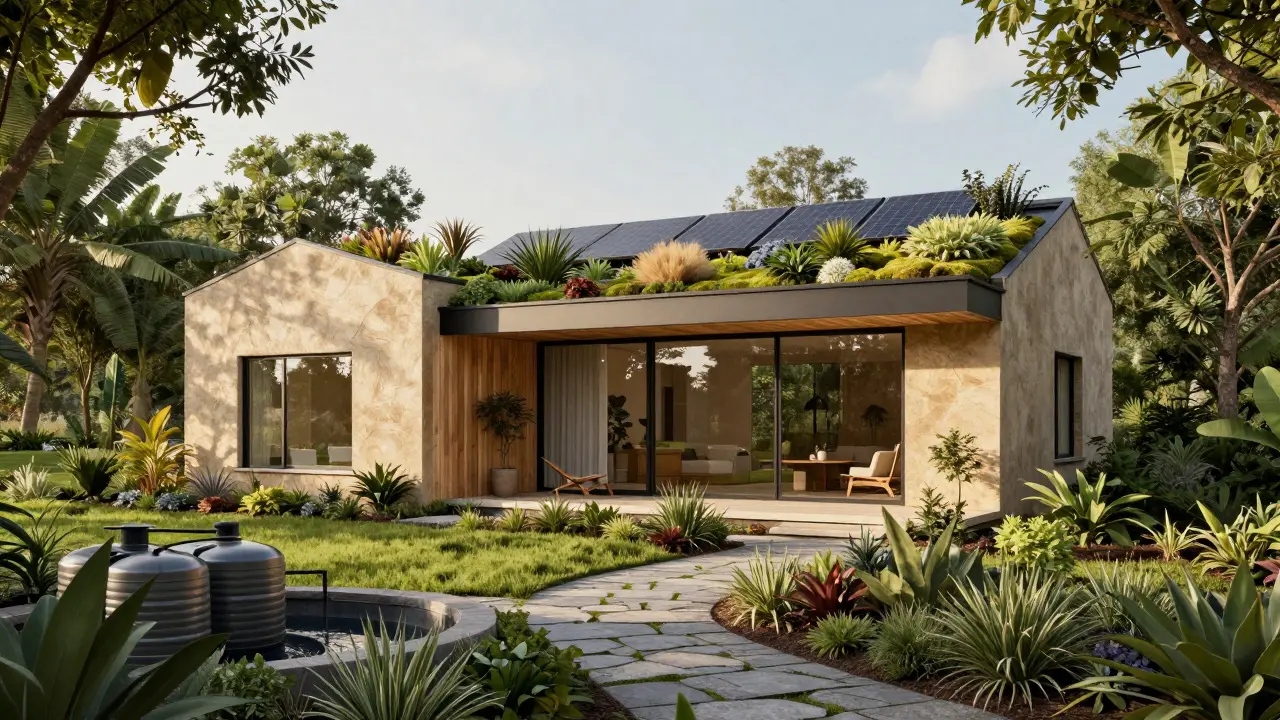
Imagine walking into a building that doesn't just sit on the land but actively heals it. It generates more energy than it consumes, cleans the rainwater running off its roof, and keeps you cool without blasting air conditioning. This isn't science fiction or a futuristic concept from a movie set in 2050. This is sustainable architecture, and it is happening right now. We are moving past the era of simply "doing less harm" with our buildings. We are entering an age where design acts as a catalyst for positive change, turning structures into active participants in solving climate crises.
For decades, the construction industry was the villain in the environmental story. It accounted for nearly 40% of global carbon emissions and consumed vast amounts of natural resources. But something has shifted. Architects, engineers, and homeowners are realizing that how we build determines whether we survive the coming decades. Sustainable architecture is no longer a niche trend for the wealthy; it is a necessity for anyone who wants to live comfortably in a warming world.
Redefining What a Building Can Do
Traditional architecture views a building as a static object-a shell to keep the weather out. Sustainable architecture flips this script. It sees a building as a living system. Think about your own home. Does it breathe? Does it store heat for winter and release it in summer? Most conventional homes do not. They rely entirely on mechanical systems to maintain comfort, which drains energy grids and spikes utility bills.
In contrast, a sustainably designed home uses passive strategies first. This means orienting the house to catch the sun in winter while shading it in summer. It involves using materials with high thermal mass, like concrete or stone, to absorb heat during the day and radiate it at night. In Wellington, where the wind can be relentless, this might mean designing tight envelopes with superior insulation to stop drafts before they start. The goal is to reduce the need for technology by working with nature, not against it.
This shift requires a new mindset. It’s not just about slapping solar panels on a poorly insulated box. That’s what experts call "greenwashing." True sustainable design starts with the site. It asks questions like: Where does the water go? How does the wind move around this plot? What native plants can thrive here without irrigation? These decisions shape the entire project, ensuring that the building fits its environment rather than dominating it.
The Materials Revolution: From Extraction to Regeneration
If you look at the average skyscraper, you’re looking at a mountain of steel, concrete, and glass. Producing these materials is incredibly dirty. Cement production alone accounts for about 8% of global CO2 emissions. Steel manufacturing is even worse. So, how do we build if we can’t use these staples? We don’t have to abandon them completely, but we must change how we source and use them.
First, there is the rise of low-carbon alternatives. Cross-laminated timber (CLT) is changing the skyline. It’s strong enough to support multi-story buildings but stores carbon instead of emitting it. When trees grow, they pull CO2 from the atmosphere. If we harvest them responsibly and use the wood for construction, that carbon stays locked away for decades. Projects in Europe and North America are already proving that wooden towers are safe, fire-resistant, and structurally sound.
Then there is the concept of circularity. In a linear economy, we extract materials, build, and then demolish, sending everything to landfill. A circular approach treats buildings as material banks. Before a building is demolished, architects assess what can be reused. Can those steel beams be repurposed for another project? Can the bricks be cleaned and relaid? Reusing existing materials saves up to 90% of the embodied carbon compared to making new ones. It’s like buying second-hand furniture, but on a structural scale.
- Bamboo: Grows faster than timber and has a high strength-to-weight ratio.
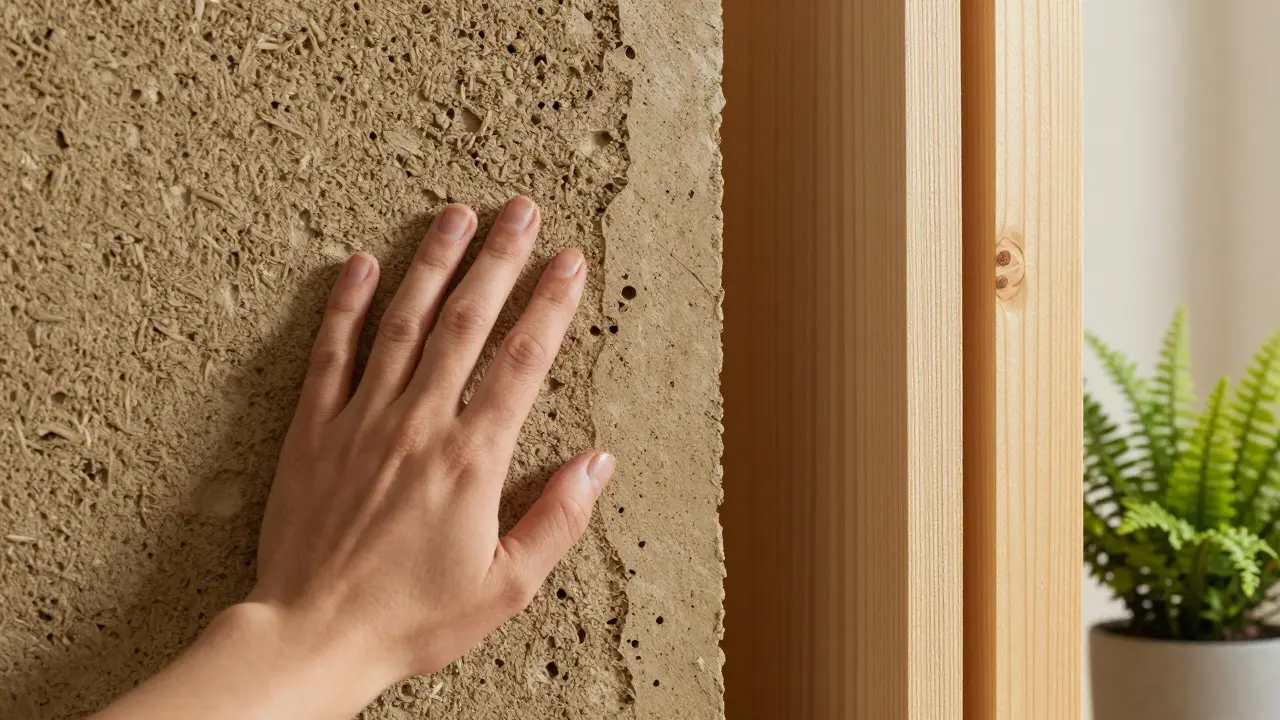
- Hempcrete: A lightweight, breathable mix of hemp hurds and lime that regulates humidity.
- Recycled Steel: Steel can be recycled infinitely without losing quality.
- Rammed Earth: Uses local soil compressed into forms, offering excellent thermal mass.
These materials aren’t just eco-friendly; they often perform better. Hempcrete, for example, is naturally mold-resistant and provides superior insulation. Rammed earth walls stay cool in summer and warm in winter, reducing the load on HVAC systems. By choosing these options, builders are creating healthier indoor environments while slashing their carbon footprint.
Energy Independence and Net-Zero Goals
One of the most visible aspects of sustainable architecture is energy performance. The term "net-zero" gets thrown around a lot, but what does it actually mean? It means a building produces as much renewable energy as it consumes over the course of a year. This isn’t just about having solar panels. It’s about efficiency first. You can’t offset a leaky, inefficient building with renewables. You have to plug the leaks first.
High-performance windows are a game-changer. Triple-glazed units with argon gas fills and low-emissivity coatings can cut heat loss by half compared to standard double glazing. Combined with airtight construction and mechanical ventilation with heat recovery (MVHR), these systems ensure that fresh air comes in without letting warmth escape. MVHR fans pull stale air out of kitchens and bathrooms, pass it through a heat exchanger, and use that captured heat to warm the incoming fresh air. It’s invisible comfort.
Once the building is efficient, you layer on generation. Solar photovoltaics are the most common choice, but they aren’t the only one. Small-scale wind turbines can work in windy coastal areas. Geothermal heat pumps tap into the stable temperature of the earth below ground to heat and cool spaces with remarkable efficiency. In some cases, buildings are connected to district heating networks, sharing waste heat from industrial processes or data centers.
| Strategy | Primary Benefit | Best For |
|---|---|---|
| Passive Solar Design | Reduces heating/cooling needs | All climates, especially sunny regions |
| Solar PV Panels | Generates electricity | Roofs with south/west exposure |
| Geothermal Heat Pumps | Efficient heating & cooling | Properties with sufficient land area |
| MVHR Systems | Air quality & heat retention | Airtight, highly insulated homes |
The result is a building that pays its own energy bills. For homeowners, this means financial stability against rising utility costs. For cities, it means reduced strain on the power grid. And globally, it means fewer fossil fuels burned to keep us comfortable.
Water Wisdom: Closing the Loop
We often talk about energy, but water is equally critical. Traditional plumbing is wasteful. We use clean, potable water to flush toilets and wash cars, while drinking water sits untreated. Sustainable architecture treats water as a precious resource to be managed on-site.
Rainwater harvesting is simple yet effective. Gutters channel rain into tanks where it can be filtered and used for irrigation, toilet flushing, and laundry. In dry climates, this can provide a significant portion of a household’s non-potable water needs. Greywater systems take it a step further. They capture water from sinks, showers, and washing machines, treat it lightly, and reuse it for garden irrigation. This reduces demand on municipal supplies and lowers sewer discharge.
Landscaping also plays a huge role. Xeriscaping involves using drought-tolerant native plants that require little to no supplemental watering. Permeable pavements allow rain to soak into the ground rather than running off into storm drains, recharging aquifers and preventing flooding. These strategies turn a property into a sponge, absorbing and storing water naturally.
Health, Wellbeing, and Biophilic Design
Sustainable architecture isn’t just about saving the planet; it’s about saving us. Studies show that people spend 90% of their time indoors, yet indoor air pollution can be two to five times higher than outdoors. Volatile organic compounds (VOCs) from paints, adhesives, and furnishings can cause headaches, allergies, and long-term health issues. Green buildings prioritize non-toxic materials. Low-VOC paints, natural finishes, and formaldehyde-free woods create safer breathing environments.
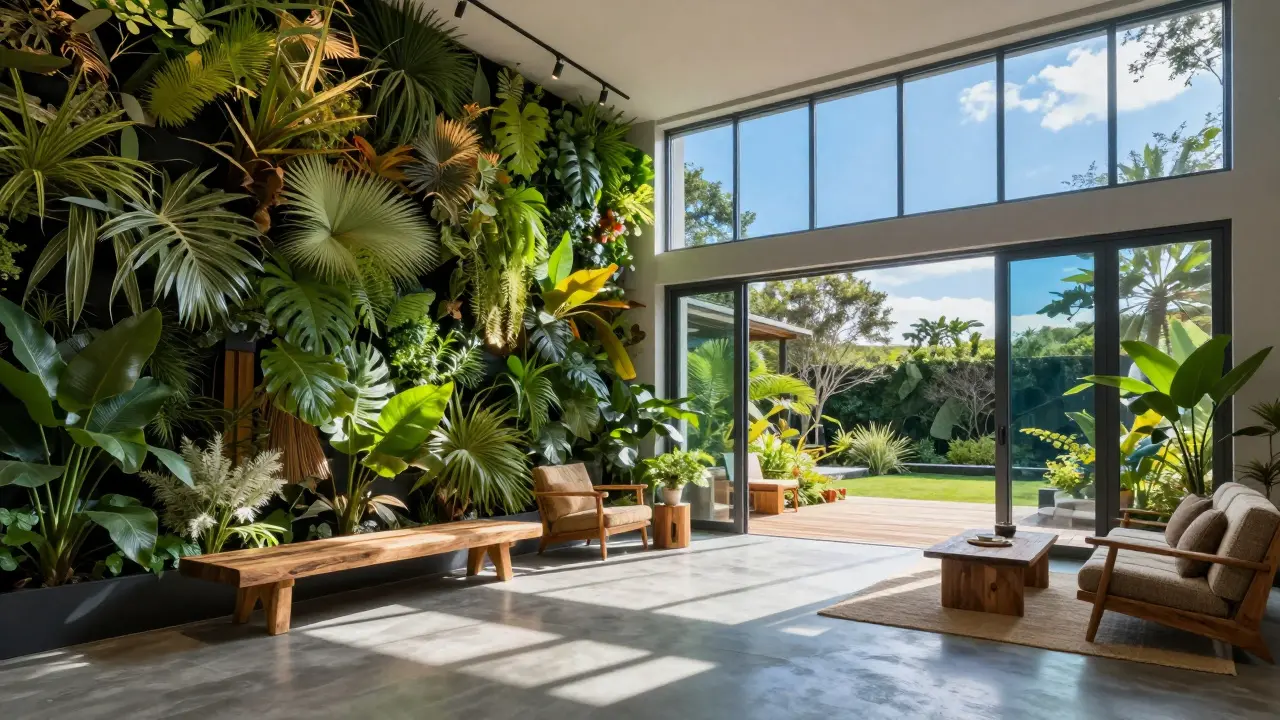
Then there is biophilia-the innate human connection to nature. Biophilic design brings the outside in. Large windows provide views of greenery. Living walls cover interior surfaces with plants. Natural light circadian rhythms are supported by smart lighting systems that mimic the sun’s daily cycle. Even the texture of wood or stone can lower stress levels. In offices, biophilic design has been linked to increased productivity and creativity. In hospitals, it speeds patient recovery. In homes, it creates a sense of calm and restoration.
This holistic approach recognizes that a healthy building supports healthy people. It’s not enough to be energy-efficient if the space makes you sick or depressed. True sustainability encompasses social and psychological wellbeing alongside environmental impact.
Overcoming Barriers: Cost, Codes, and Culture
If sustainable architecture is so beneficial, why isn’t everyone doing it? Money is the biggest hurdle. Upfront costs for green materials and technologies can be 5-10% higher than conventional builds. However, this ignores lifecycle costs. A well-insulated home with solar panels will save thousands in energy bills over its lifetime. The payback period is shrinking as technology improves and material costs drop.
Building codes and regulations also lag behind innovation. Many jurisdictions still mandate outdated practices that hinder green design. Advocacy and education are pushing for changes. Cities like Vancouver and Melbourne have introduced strict carbon limits for new developments, forcing developers to innovate. As these standards become widespread, green building becomes the norm, not the exception.
Cultural resistance is another factor. Some people view sustainable homes as cold, spartan, or too different from traditional aesthetics. But modern green design is versatile. It can look minimalist, rustic, or luxurious. The key is education. Showing people real examples-homes that are beautiful, comfortable, and affordable-breaks down myths and builds trust.
The Future is Adaptive
As climate change accelerates, buildings must adapt. Rising sea levels, extreme heat, and intense storms require resilient design. Elevated foundations protect against flooding. Reflective roofs reduce urban heat island effects. Flexible spaces can serve multiple functions, from community hubs during disasters to private residences during normal times.
Technology will continue to play a role. Smart sensors monitor energy use and adjust systems in real-time. Artificial intelligence optimizes heating and cooling based on occupancy patterns. But technology alone won’t save us. We need a cultural shift toward valuing durability, repairability, and harmony with nature. Sustainable architecture is the physical manifestation of that shift. It proves that we can build a future that is not only survivable but thriving.
Is sustainable architecture more expensive than traditional building?
Upfront costs can be 5-10% higher due to premium materials and specialized labor. However, lifecycle costs are significantly lower. Savings come from reduced energy bills, lower maintenance needs, and increased property value. Over 10-20 years, most green buildings pay for themselves and then generate profit.
What is the difference between green building and sustainable architecture?
Green building often focuses on specific features like solar panels or recycling programs. Sustainable architecture takes a holistic approach, considering the entire lifecycle of the building-from material extraction and construction to operation and eventual demolition. It integrates environmental, social, and economic factors.
Can I make my existing home more sustainable?
Yes. Retrofitting is a key part of sustainability. Start with insulation and air sealing to improve efficiency. Upgrade to LED lighting and Energy Star appliances. Install low-flow fixtures to save water. Add solar panels if your roof allows. Even small changes like switching to non-toxic cleaners make a difference.
What are the best materials for sustainable construction?
Look for locally sourced, renewable, or recycled materials. Cross-laminated timber (CLT), bamboo, hempcrete, and rammed earth are excellent choices. Recycled steel and reclaimed wood reduce waste. Always check for certifications like FSC for wood or Cradle to Cradle for other products to ensure ethical sourcing.
How does biophilic design improve health?
Biophilic design connects occupants with nature through light, plants, water, and natural materials. This reduces stress, lowers blood pressure, and improves mood. It also enhances cognitive function and creativity. Access to natural light regulates sleep cycles, leading to better overall health and productivity.