Sustainable Architecture: Build Smarter, Live Better
 Jan, 10 2026
When you think of a house, you probably picture walls, windows, a roof. But what if that same house could clean the air, cut your power bill in half, and still feel like home? That’s not science fiction. It’s sustainable architecture-and it’s already here.
What Sustainable Architecture Really Means
Sustainable architecture isn’t just about solar panels on the roof or bamboo floors. It’s a complete rethink of how buildings are made, used, and eventually retired. It’s about using less energy, wasting less material, and creating spaces that support people and the planet-not harm them.
Take the average Australian home built in 2010. It used around 12,000 kWh of electricity a year. A well-designed sustainable home today? Often under 5,000 kWh. That’s not magic. It’s smart orientation, better insulation, passive cooling, and efficient appliances working together.
The core idea is simple: design with the environment in mind from day one. Not as an add-on. Not as a marketing buzzword. As the foundation.
How It Saves Money-Even Upfront
People assume green buildings cost more. Sometimes they do. But often, they don’t-and when they do, the payback is faster than you think.
Take double-glazed windows. They cost 20-30% more than single-glazed ones. But in Brisbane’s hot summers, they cut air conditioning use by up to 40%. That’s $300-$500 saved a year on electricity. Payback? Under five years. After that? Pure savings.
Roof insulation made from recycled denim? It’s cheaper than fiberglass in bulk and lasts longer. Rainwater tanks? They cut municipal water bills by up to 60% in dry years. And tax rebates in Australia for energy-efficient upgrades? They’re real. The federal government’s Home Energy Efficiency Program gives up to $1,500 back for qualifying improvements.
Buildings that use less energy also cost less to maintain. Fewer HVAC repairs. Less mold. Fewer pest problems. These aren’t small perks. They’re major cost drivers in traditional homes.
The Materials That Make the Difference
Concrete and steel dominate modern construction. But they’re responsible for nearly 10% of global CO₂ emissions. Sustainable architecture turns that around.
Mass timber-engineered wood like cross-laminated timber (CLT)-is replacing steel in mid-rise buildings. It stores carbon instead of releasing it. A single CLT panel can lock away 1 ton of CO₂. That’s like taking two cars off the road for a year.
Recycled steel? It uses 75% less energy to produce than new steel. Recycled glass in countertops? Just as durable, zero new mining. Hempcrete? A mix of hemp fibers and lime that breathes naturally, regulates humidity, and is completely biodegradable. It’s used in homes across Europe and is now gaining traction in Australia.
Even paint matters. Low-VOC paints don’t off-gas toxic chemicals into your living space. That’s not just good for the planet. It’s good for your lungs.

Design That Works With Nature, Not Against It
The best sustainable homes don’t fight the climate-they use it.
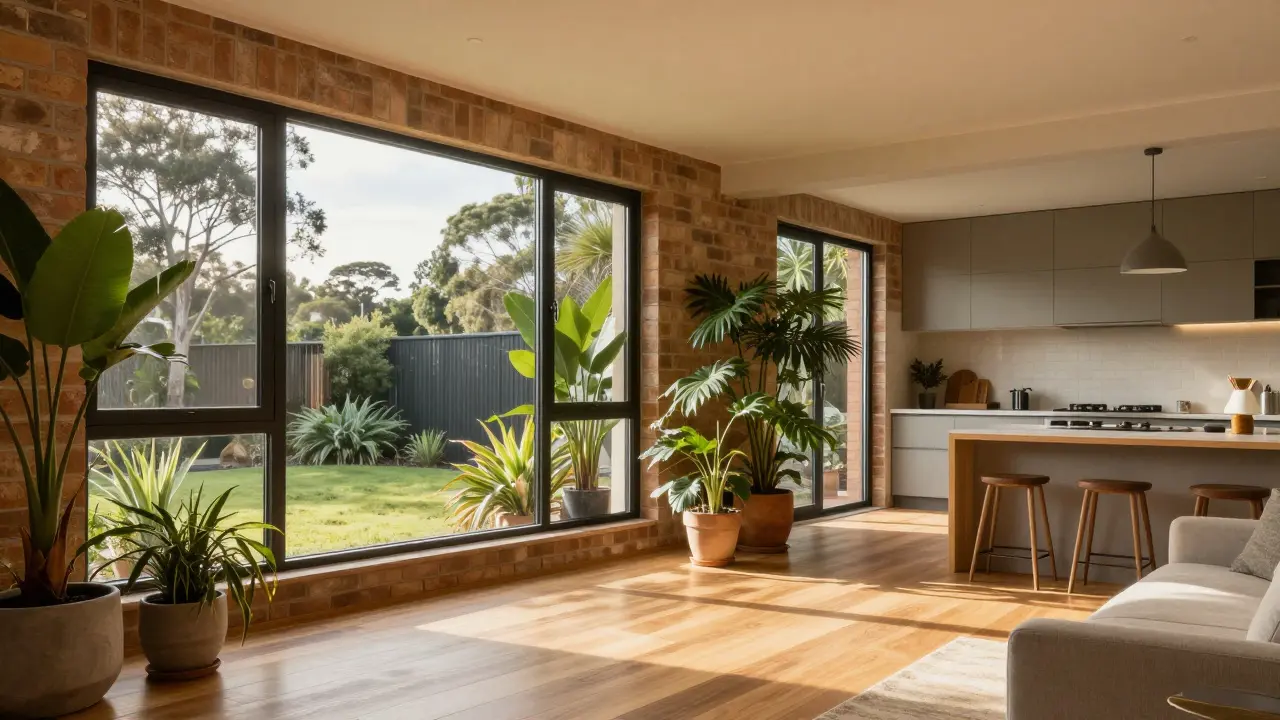
In Brisbane, the sun is fierce in summer but gentle in winter. Passive solar design takes advantage of that. Large north-facing windows let in winter sun to warm the house naturally. Overhangs block the high summer sun. Thermal mass-like concrete floors or brick walls-absorbs heat during the day and releases it slowly at night.
Wind patterns matter too. Cross-ventilation through strategically placed windows and vents can cool a home without a single fan. In fact, many sustainable homes in Queensland run without air conditioning for 8-9 months of the year.
Green roofs? Not just for looks. They reduce roof temperatures by up to 30°C in summer, cut stormwater runoff by 50%, and create habitats for bees and birds. The University of Queensland’s sustainable building hub has one-and it’s now home to over 40 native plant species.
Long-Term Value: More Than Just a Green Badge
Here’s the truth: sustainable architecture isn’t just ethical. It’s profitable.
A 2024 study by the Australian Property Institute found that certified green homes sold 7-10% faster and for 5-8% higher prices than comparable non-certified homes. Buyers aren’t just looking for solar panels-they’re looking for lower bills, better health, and resilience against climate shocks.
Insurance companies are starting to notice too. Homes with fire-resistant materials, stormwater management, and energy backups often get lower premiums. In flood-prone areas like parts of Brisbane, that’s not a luxury-it’s a necessity.
And think about the future. As carbon taxes tighten and energy prices climb, homes that waste power will become financial liabilities. Those that generate or save it? They’ll be assets.

What’s Holding People Back?
Not cost. Not technology. Not even knowledge.
The biggest barrier? Misinformation. Many builders still treat sustainability as an optional extra. Clients are told, “We can add solar later,” or “Green materials are too expensive.” But that’s outdated thinking.
Today, architects can design net-zero homes for the same cost as standard builds-if they start with sustainability in mind. It’s not about spending more. It’s about spending smarter.
And it’s not just for mansions. A 60-square-meter sustainable tiny home in Byron Bay, built with reclaimed timber and a composting toilet, cost under $120,000. It uses 80% less energy than a typical Australian home. And it’s livable, beautiful, and fully compliant with building codes.
Where to Start
You don’t need to rebuild your whole house tomorrow. Start small. But start now.
- Seal air leaks around windows and doors. It’s the cheapest upgrade you can make-and it cuts heating and cooling costs by up to 20%.
- Switch to LED lighting. It uses 80% less energy than incandescent bulbs and lasts 25 times longer.
- Install a rainwater tank. Even a 2,000-liter one can cover outdoor watering and toilet flushing.
- Choose low-VOC paints and natural fiber carpets when renovating.
- When replacing appliances, look for the highest energy star rating. A 5-star fridge can save you $100 a year.
And if you’re building new? Work with an architect who specializes in sustainable design. Ask to see past projects. Ask how they handle orientation, insulation, and material sourcing. Don’t accept vague answers. Demand specifics.
The Future Isn’t Coming-It’s Already Built
There are over 1,200 certified green buildings in Australia right now. Schools, offices, homes, hospitals. They’re not futuristic pods. They’re ordinary buildings doing extraordinary things.
One in Brisbane, built in 2023, generates more energy than it uses. It feeds surplus power back into the grid. Its walls are made from recycled plastic bricks. Its garden grows food for residents. It’s not a prototype. It’s a family home.
Sustainable architecture isn’t about sacrifice. It’s about upgrading the way we live. Cleaner air. Lower bills. Stronger communities. A home that doesn’t just shelter you-but supports the world around you.
This isn’t a trend. It’s the only way forward. And the best time to build it? Yesterday. The second best? Today.
Is sustainable architecture more expensive than traditional building?
Not necessarily. While some sustainable materials cost more upfront, the overall price can be the same-or even lower-when you factor in long-term savings on energy, water, and maintenance. Many sustainable homes pay for themselves in 5-8 years. In Australia, government rebates for energy-efficient upgrades can also reduce initial costs by up to $1,500.
Can I make my existing home more sustainable without a full renovation?
Absolutely. Simple upgrades like sealing drafts, switching to LED lighting, installing a programmable thermostat, adding insulation to your attic, and using low-VOC paint can cut energy use by 20-30%. A rainwater tank and drought-tolerant garden also make a big difference. These changes cost under $2,000 and often pay for themselves in under two years.
What’s the most important feature of a sustainable home?
The most important feature is passive design-how the building naturally manages temperature, light, and airflow without relying on machines. Proper orientation, insulation, thermal mass, and ventilation can reduce energy needs by up to 70%. Solar panels are great, but if your house is poorly designed, they’ll struggle to keep up.
Are sustainable homes only for wealthy people?
No. Sustainable design works at every scale. Tiny homes built with reclaimed materials, modular housing using recycled steel, and community housing projects with shared solar arrays prove that affordability and sustainability go hand-in-hand. In fact, many low-income housing projects in Australia now use sustainable design to cut long-term costs for residents.
How do I know if a builder or architect is truly experienced in sustainable design?
Ask for specific examples: “Show me a project where you used passive solar design,” or “What materials did you choose for insulation and why?” Look for certifications like Green Star or Passive House. Don’t accept vague answers like “we use eco-friendly materials.” Real experts can explain exactly how each choice reduces energy, water, or waste.