Reviving Colonial Architecture: How to Restore and Modernize Heritage Homes
 Apr, 6 2026
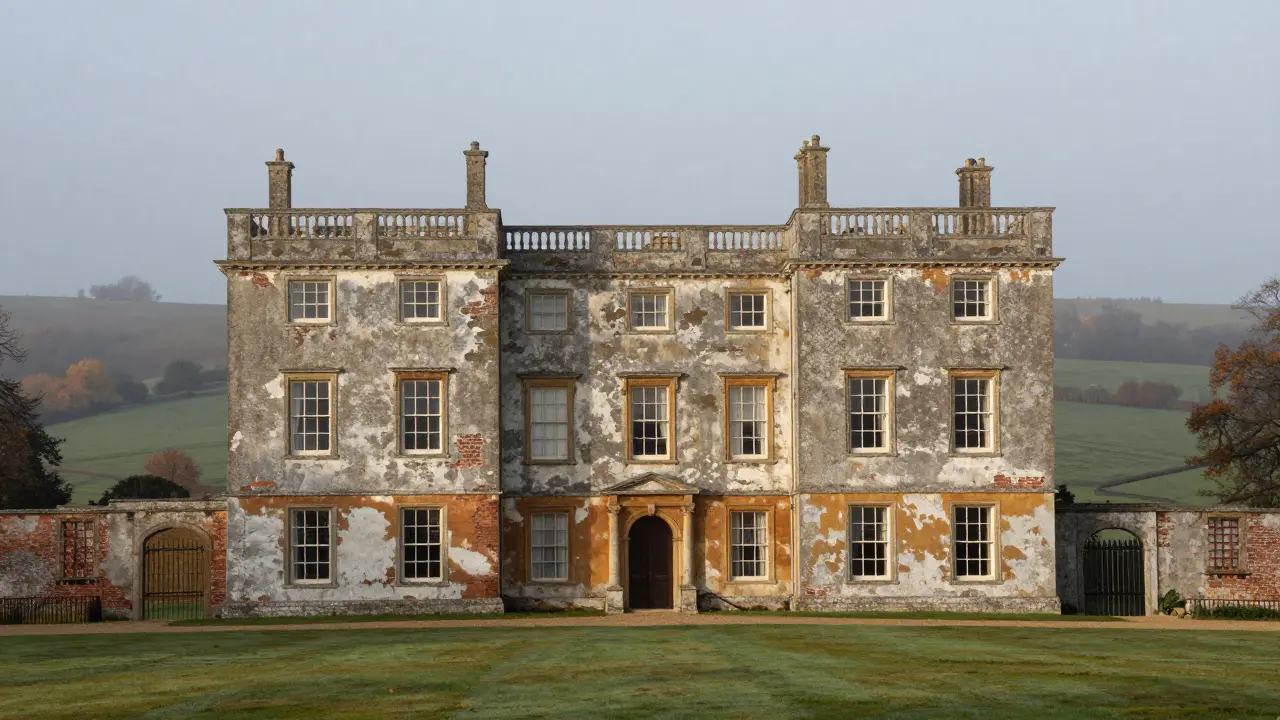
Walking past a crumbling 18th-century manor isn't just a trip down memory lane; it's a glimpse of a design philosophy that prioritized symmetry, endurance, and a certain quiet dignity. Many of these structures are currently fighting a losing battle against moisture, rot, and the temptation of cheap modern replacements. But here is the truth: when you strip away the peeling paint and outdated wallpaper, colonial architecture offers a skeletal strength and aesthetic balance that modern "cookie-cutter" homes simply can't match. Bringing these spaces back to life isn't about turning a house into a museum; it's about making a historical shell livable for a 21st-century family without erasing its soul.
Key Takeaways for Heritage Restoration
- Prioritize structural stabilization over cosmetic updates to prevent long-term decay.
- Use historically accurate materials like lime mortar and linseed oil to let the building "breathe."
- Balance original symmetry with modern internal layouts for better functionality.
- Focus on energy efficiency through discreet additions rather than invasive renovations.
Understanding the Colonial Blueprint
Before you pick up a hammer, you need to know what you're dealing with. Colonial Architecture is an umbrella term for building styles introduced by European powers to their colonies, characterized by adaptations of home-country styles to local climates. In North America and Australia, this often meant taking the rigid formality of European designs and adding wide porches or thicker walls to handle extreme heat or humidity.
If you are looking at a Georgian Style home, you'll notice a strict adherence to the golden ratio. Everything is symmetrical. If there is a window on the left of the door, there must be one on the right. This isn't just for looks; it's a mathematical approach to beauty that creates a sense of order. When reviving these homes, the biggest mistake people make is breaking this symmetry by adding a modern extension to the front or side without a careful transition plan.
The Battle Against Material Decay
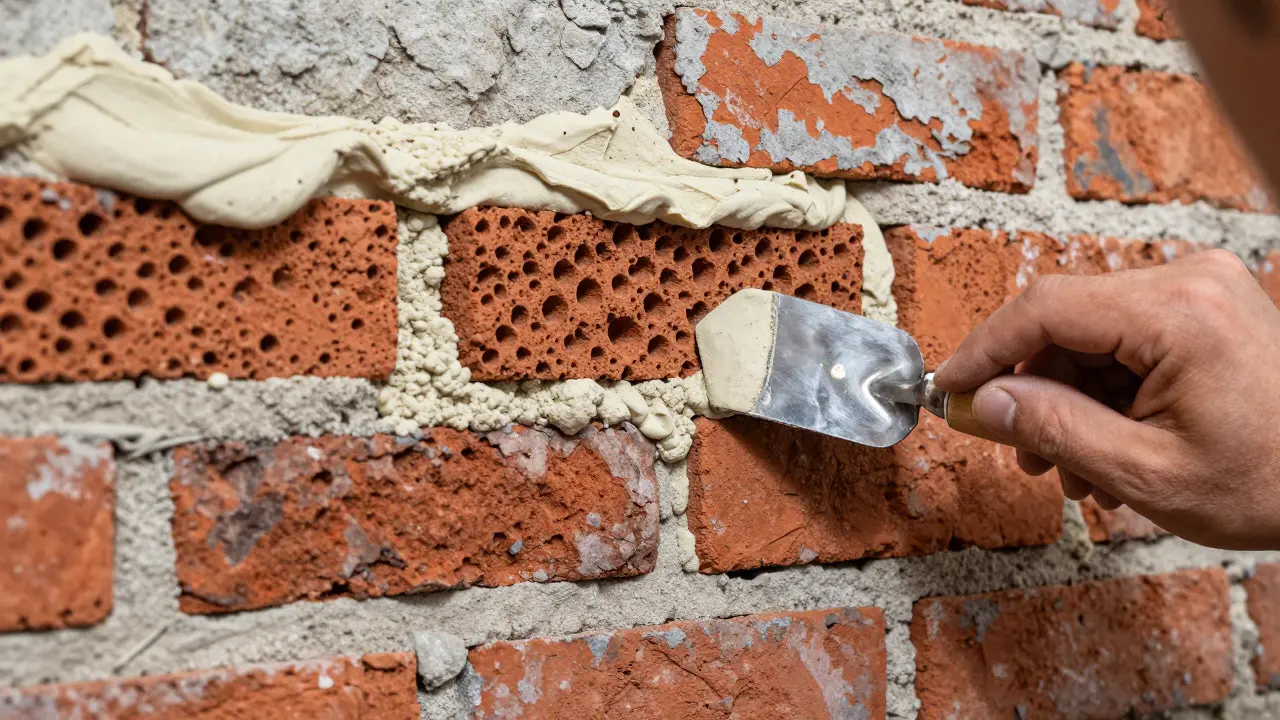
Modern construction relies heavily on plastics and non-porous sealants. If you apply a modern acrylic paint or a cement-based mortar to a colonial-era brick wall, you are essentially suffocating the building. Old bricks and stones are porous; they absorb water and then release it. When you seal them with modern chemicals, the water gets trapped inside the wall, freezes, and causes the brick faces to pop off-a process known as spalling.
To fix this, restoration experts use Lime Mortar, which is a traditional building material made from burnt limestone that is softer and more permeable than modern Portland cement. By using lime, you allow moisture to escape through the mortar joints rather than through the bricks themselves. It's a slower process and requires more skill, but it's the only way to ensure the wall doesn't crumble in ten years.
| Feature | Traditional (Lime/Wood) | Modern (Cement/Vinyl) | Result for Heritage Homes |
|---|---|---|---|
| Breathability | High | Low | Modern seals trap moisture, leading to mold. |
| Flexibility | Adaptive | Rigid | Cement cracks as old houses settle; lime flexes. |
| Longevity | Centuries | 20-30 Years | Authentic materials outlast synthetic ones. |
| Aesthetic | Natural Texture | Uniform/Plastic | Traditional finishes preserve historical value. |
Updating the Interior Without Losing the Era
The biggest challenge in reviving a colonial home is the "room-by-room" layout. These houses were designed when privacy was paramount and heating was localized to a single fireplace. Now, we want open-concept kitchens and master suites. The trick is to maintain the Floor Plan integrity while carving out functional zones. Instead of knocking down every wall, consider creating "zones" using furniture or lighting.
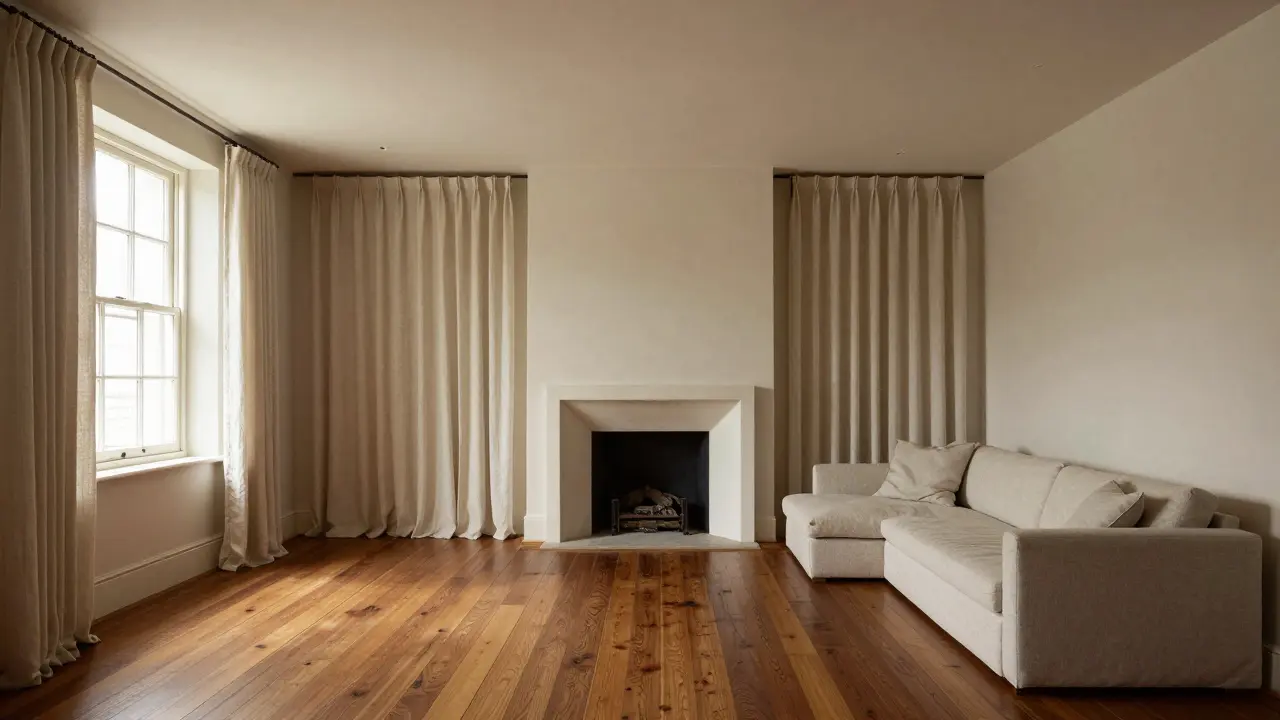
Consider the case of a typical Cape Cod or saltbox house. The ceilings are often low to keep heat in. Rather than trying to raise the ceilings-which involves expensive structural work-you can use vertical elements like tall, thin shelving or floor-to-ceiling curtains to trick the eye into seeing more height. For the kitchen, which is usually the most outdated part of a colonial home, use cabinetry that mimics the built-in look of the original pantry. Shaker-style cabinets are a great choice here because they are simple, timeless, and don't clash with the historical weight of the house.
The Energy Efficiency Paradox
How do you make a house built in 1780 energy efficient without destroying its character? You can't exactly slap double-glazed PVC windows into a hand-carved frame. The answer lies in Weatherization, which is the process of sealing a building's envelope to prevent uncontrolled air leakage.
Instead of replacing original single-pane windows, install interior storm windows. These are discreet glass panels that fit inside the existing frame, creating an air gap that provides almost as much insulation as a modern window without altering the exterior look. For heating, avoid bulky ductwork that requires cutting through original joists. Instead, look into Hydronic Heating (radiant floor heating). It's invisible, doesn't require vents that ruin the wall aesthetic, and provides a consistent warmth that suits the heavy timber floors often found in colonial homes.
Integrating Modern Landscapes
A revived home needs a landscape that reflects its origins. Colonial gardens weren't just about beauty; they were about utility. This meant "kitchen gardens" with herbs and vegetables placed close to the house. To bring this back, combine formal hedges (like Boxwood) for structure with loose, organic plantings of native species. This prevents the house from looking like a movie set and makes it feel like a living part of the environment.
Avoid the temptation to put in a massive, modern concrete driveway. Use permeable pavers or crushed gravel. Not only does this look more authentic, but it also helps with drainage. Since colonial homes often lack modern subterranean drainage systems, allowing rainwater to soak into the ground rather than pooling against the foundation is a critical part of the building's survival.
Is it more expensive to restore a colonial home than to build new?
Initially, yes. Specialized labor like lime-plastering and sourcing old-growth timber costs more than standard contracting. However, you are investing in a structure with a proven lifespan. A well-restored colonial home holds its value far better than a modern build, and the quality of original materials (like heart pine) is often superior to what is available today.
How do I find out the original style of my colonial house?
Look at the symmetry and the details. If it has a central door with equal windows on both sides and a classical pediment over the entrance, it's likely Georgian. If it has a steep roof and a large central chimney, it might be an early New England Colonial. Checking local land deeds and historical society archives can also reveal the original architect or owner, which provides clues about the intended style.
Can I use modern insulation in old walls?
Be careful with spray foam. While it's an incredible insulator, it's non-permeable. In a colonial home, if you seal the walls completely, moisture from the interior can get trapped against the wood framing, leading to rapid rot. Instead, use breathable insulation like sheep's wool or hemp-lime, which keeps the house warm while allowing moisture to migrate out.
What are the most common mistakes in colonial restoration?
The most common error is "over-restoring," where a homeowner makes the house look like a brand-new version of the 1700s, removing the natural patina of age. Another mistake is using pressure-treated lumber for visible repairs; the greenish tint of the chemicals clashes with historical aesthetics and can react poorly with old masonry.
Do I need a permit for heritage restoration?
If your home is in a designated historic district or is listed on a heritage registry, you almost certainly need approval from a local preservation board. These boards ensure that changes to the exterior don't diminish the historical value of the neighborhood. Always check your local zoning laws before changing windows, paint colors, or adding extensions.
Next Steps for Your Project
If you're just starting, don't try to tackle the whole house at once. Start with the "envelope"-the roof, the foundation, and the windows. There is no point in installing a luxury kitchen if your roof is leaking into the walls. Once the structure is watertight, move to the mechanical systems (plumbing and electric), and only then focus on the cosmetic revival.
For those in urban areas with strict codes, consider hiring a preservation consultant. They can help you navigate the bureaucracy of heritage boards and connect you with craftsmen who actually know how to work with lime and timber. It's a long game, but the reward is a home that doesn't just look old, but feels timeless.