Revivalism in Literature: Why Classic Works Are Experiencing a Modern Rebirth
 Aug, 22 2026
Walk into any major bookstore in Wellington or London today, and you will likely find a new edition of Jane Austen is a prominent figure in English literature whose works are experiencing a significant resurgence in popularity due to modern adaptations and scholarly re-evaluation. This isn't just nostalgia. It is a deliberate cultural shift known as literary revivalism, where older texts are not merely preserved but actively reshaped for contemporary audiences. You might wonder why we need to revisit books written two centuries ago when we have endless streaming content and digital distractions. The answer lies in how these classics provide a stable anchor in a rapidly changing world, offering timeless human insights that feel refreshingly relevant again.
The Core of Literary Revivalism
Literary Revivalism is a movement that seeks to restore, reinterpret, and celebrate past literary traditions within the context of current social and technological landscapes. Unlike simple preservation, which treats old books as museum pieces, revivalism treats them as living entities. It involves editing, translating, adapting, and marketing these works to speak directly to today’s readers. Think of it less like dusting off an antique chair and more like reupholstering it with modern fabric so it fits comfortably in your current living room. The goal is accessibility without losing the original soul of the text.
This movement has distinct phases. In the late 19th century, it was about rediscovering medieval manuscripts. Today, it is about making Victorian novels palatable for Gen Z readers through graphic novel formats or audiobooks narrated by celebrity voices. The driving force is often a sense of cultural loss; as society becomes more fragmented, people look to shared canonical texts to find common ground. This creates a feedback loop where high-profile adaptations drive sales of the original print editions, which in turn validates the publisher's decision to invest in fresh cover designs and marketing campaigns.
Why Classics Are Resonating Now
You might ask what makes a specific era of writing suddenly trendy. Usually, it mirrors the current social climate. For instance, the recent surge in interest in Victorian Literature is a body of work from the 19th century characterized by complex social structures, moral dilemmas, and detailed character studies. reflects our own anxieties about class divide and social media performance. When modern readers see their own struggles reflected in the rigid social hierarchies of Charles Dickens or the intricate social maneuvering of the Brontë sisters, the barrier of time disappears. The characters stop being historical figures and start feeling like neighbors.
Economic factors also play a huge role. Publishing houses know that public domain titles do not require royalty payments to authors' estates. This allows publishers to experiment with bold, colorful, and sometimes controversial cover art without worrying about alienating traditionalist fans. A bright pink cover for Pride and Prejudice signals to a younger demographic that this book is for them, not just for their grandparents. This strategic rebranding is a key pillar of modern revivalism, turning serious academic texts into lifestyle accessories.
Modern Adaptations as Entry Points
Few things drive literary revivalism faster than screen adaptations. When a film or series hits the mainstream, the source material almost always sees a spike in sales. However, the relationship is no longer one-way. Today, the adaptation often serves as a trailer for the book, rather than the other way around. Take the example of The Great Gatsby is a novel by F. Scott Fitzgerald that remains a staple of American literature and is frequently adapted into film and television.. Each new cinematic interpretation brings a fresh wave of students and casual readers back to the text, looking for the nuances that the screen might have glossed over.
- Audiobooks: With the rise of commute listening, classic novels are finding new life in audio format. Narrators bring emotional depth that silent reading can sometimes miss, making long-form narratives easier to digest.
- Graphic Novels: Visual storytelling helps bridge the gap for readers who struggle with dense prose. Seeing the architecture of a Gothic mansion or the expression on a character's face can clarify plot points that paragraphs of description might obscure.
- Digital Editions: E-readers allow for interactive features, such as hyperlinked footnotes and embedded historical context, transforming a static page into an educational tool.
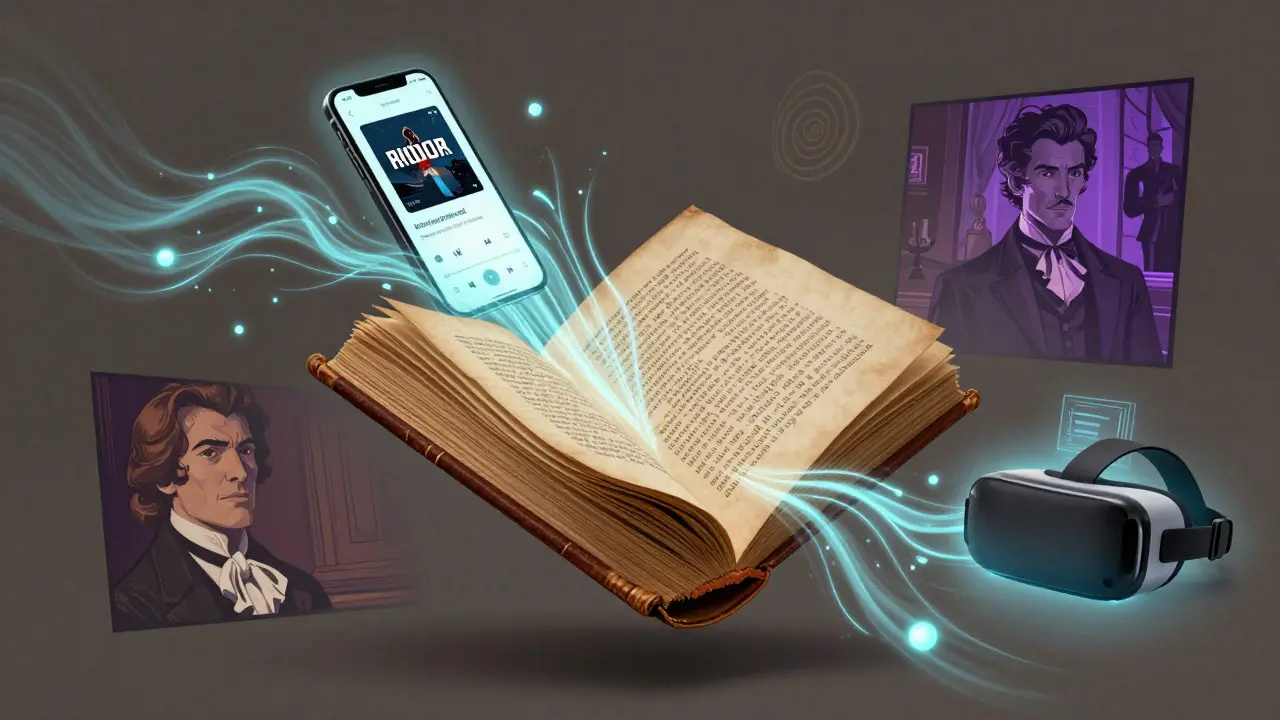
The Role of Technology in Preservation and Access
Technology is the engine behind much of this revival. Digital archives have made rare first editions accessible to scholars and enthusiasts worldwide without requiring physical travel. High-resolution scans allow us to see marginalia and handwriting details that were previously lost to time. But technology also changes how we consume the text itself. Hyperlinking in e-books allows readers to jump between related themes, creating a non-linear reading experience that suits the attention spans of the digital age.
Furthermore, social media communities have become powerful drivers of literary trends. BookTok and Bookstagram create viral moments around specific quotes or themes from classic novels. A single video discussing the psychological complexity of Hamlet is a tragedy by William Shakespeare that explores themes of madness, revenge, and mortality. can lead to thousands of copies selling out within days. This grassroots marketing is far more effective than traditional advertising because it relies on peer recommendation and shared enthusiasm.
Challenges and Criticisms of Revivalism
Not everyone is happy with the direction of literary revivalism. Critics argue that excessive focus on visual appeal and modern marketing dilutes the intellectual rigor required to appreciate these works. There is a fear that we are reducing profound philosophical texts to Instagrammable quotes. If you only read three famous lines from Moby-Dick because they went viral on Twitter, have you truly engaged with Herman Melville’s exploration of obsession and nature? This is a valid concern. Revivalism risks becoming superficial if the depth of the original work is sacrificed for marketability.
There is also the issue of canon bias. Historically, literary revivals have tended to favor white, male, Western authors. While efforts are being made to revive neglected voices from other cultures and backgrounds, the core of commercial revivalism still leans heavily toward the established canon. True revivalism should include the recovery of marginalized texts, not just the repackaging of the same ten books every decade. Balancing commercial success with cultural inclusivity is the biggest challenge facing editors and publishers today.

How to Engage with Revived Classics
If you want to participate in this literary renaissance, you don’t need to be a scholar. Start with what interests you. If you love mystery, try the detective stories of Agatha Christie. If you are interested in social commentary, look at the satire of Jonathan Swift. Don’t let the publication date intimidate you. Many of these books were bestsellers in their time, written for entertainment as much as education.
- Choose a Format: Decide if you prefer print, audio, or digital. Each offers a different connection to the text.
- Find a Community: Join online forums or local book clubs that discuss classic literature. Hearing others’ interpretations can deepen your understanding.
- Look for Context: Use introductory essays or companion guides to understand the historical setting. This adds layers of meaning to the narrative.
- Be Patient: Older writing styles can take some getting used to. Give yourself time to adjust to the rhythm and vocabulary.
The Future of Classic Literature
Looking ahead, literary revivalism is likely to become even more integrated with interactive media. We may see virtual reality experiences that place readers inside the settings of classic novels, allowing them to walk the streets of 18th-century London or sit in the parlor of a 19th-century estate. This immersive approach could make the past feel incredibly present, bridging the temporal gap completely.
Ultimately, the value of classic literature lies in its ability to reflect the human condition across time. By embracing revivalism, we ensure that these stories continue to evolve alongside us. They are not relics of the past but active participants in our present conversation. Whether you are a lifelong reader or a curious newcomer, there is a place for you in this ongoing dialogue with the past.
What is the main difference between literary preservation and literary revivalism?
Preservation focuses on keeping texts intact and accessible in their original form, often for academic purposes. Revivalism actively adapts, markets, and reinterprets these texts to make them relevant and appealing to contemporary audiences, often through new formats or media.
Why are public domain books seeing a resurgence in sales?
Public domain books do not require royalty payments, allowing publishers to invest in creative marketing, bold cover designs, and varied formats like audiobooks and graphic novels. This lowers the price point for consumers and increases visibility in competitive retail spaces.
How does social media influence the popularity of classic novels?
Platforms like TikTok and Instagram create viral trends around specific quotes, themes, or aesthetics associated with classic books. This peer-driven marketing introduces the works to younger demographics who might not otherwise encounter them in traditional educational settings.
Is literary revivalism limited to Western literature?
While currently dominated by Western canon, there is a growing movement to revive classic works from Asian, African, and Latin American literatures. This expansion aims to broaden the global perspective of what constitutes 'classic' literature and ensure diverse voices are heard.
What is the best way for a beginner to start reading classic literature?
Start with genres you already enjoy, such as mystery or romance, and choose well-known titles within those categories. Consider using audiobooks or annotated editions to help navigate older language styles, and join a book club for support and discussion.