Postmodern Architecture: A Revolution in the Design World
 Jul, 13 2026
Walk down any major street in a city built during the late 20th century, and you might spot it: a building that looks like it’s wearing a suit with polka-dot buttons. It has classical columns, but they’re tilted or colored bright orange. It features an arch, but it’s hollow and sits on top of a glass box. This is postmodern architecture, a movement that didn’t just change how buildings looked-it changed how we think about design itself.
If you grew up thinking good architecture meant clean lines, white walls, and zero decoration (thanks to Modernism), postmodernism feels like a punchline. But that’s exactly the point. It was a rebellion against the cold, rigid rules of the past. It brought back history, humor, and color into a world that had forgotten them.
The Rebellion Against "Less Is More"
To understand why postmodern architecture happened, you have to look at what came before. For most of the 20th century, Modernist architecture ruled the scene. Think of the International Style: steel frames, glass curtains, and a strict belief that form should follow function. The mantra was simple: "less is more." Architects like Ludwig Mies van der Rohe stripped away everything unnecessary. Ornament was seen as a crime.
But by the 1960s and 70s, people were tired. Cities felt sterile. Buildings looked like boxes stacked on top of each other, ignoring local culture, history, or even human comfort. People missed the charm of older buildings. They missed details. They missed personality.
Enter Robert Venturi. In 1966, he published a book called Complexity and Contradiction in Architecture. His famous line? "Less is a bore." Venturi argued that architecture could be complicated. It could mix old and new. It could be messy. He didn’t want buildings to shout one single message; he wanted them to whisper many things at once.
This wasn’t just theory. It was a reaction to real life. If a bank wants to look trustworthy, maybe it needs columns. If a theater wants to feel exciting, maybe it needs curves. Postmodernism said: why not use those symbols, even if they’re not structurally necessary?
Key Features That Define the Style
You can spot postmodern architecture from a mile away because it loves to break rules. Here are the main traits that set it apart:
- Historical References: Postmodern buildings often borrow shapes from ancient Greek temples, Gothic cathedrals, or Victorian houses. But they don’t copy them perfectly. They twist them. A column might be painted pink. A pediment (the triangular top of a temple) might be split in half.
- Humor and Irony: These buildings joke around. They might feature giant clocks that don’t work, or signs that spell out words in brickwork. They want you to smile, or at least raise an eyebrow.
- Bright Colors: Forget beige and gray. Postmodernism uses bold reds, yellows, blues, and greens. Color isn’t just for painting walls; it’s used to highlight structural parts, like making a beam stand out in neon yellow.
- Asymmetry: Modernism loved symmetry. Postmodernism loves imbalance. Windows might be placed randomly. Roofs might slant in unexpected directions.
- Symbolism: Every element has a meaning. A grand entrance says "welcome." A heavy roof says "stability." Even if those elements are just decorative facades, they communicate with the viewer.
Think of it like fashion. Modernism is a plain white t-shirt and jeans. Postmodernism is wearing a vintage blazer over a graphic tee with mismatched socks. It’s intentional. It’s expressive.
Iconic Examples You Should Know
Some buildings define this era better than others. Let’s look at three landmarks that show just how diverse postmodern architecture can be.
| Building Name | Location | Architect | Key Postmodern Feature |
|---|---|---|---|
| Portland Building | Portland, Oregon, USA | Michael Graves | Giant pilasters, bright colors, and a facade that looks like a cartoon version of a classical temple. |
| AT&T Building (Sony Tower) | New York City, USA | Philip Johnson | A Chippendale-style broken pediment on top of a glass skyscraper-a direct nod to 18th-century furniture. |
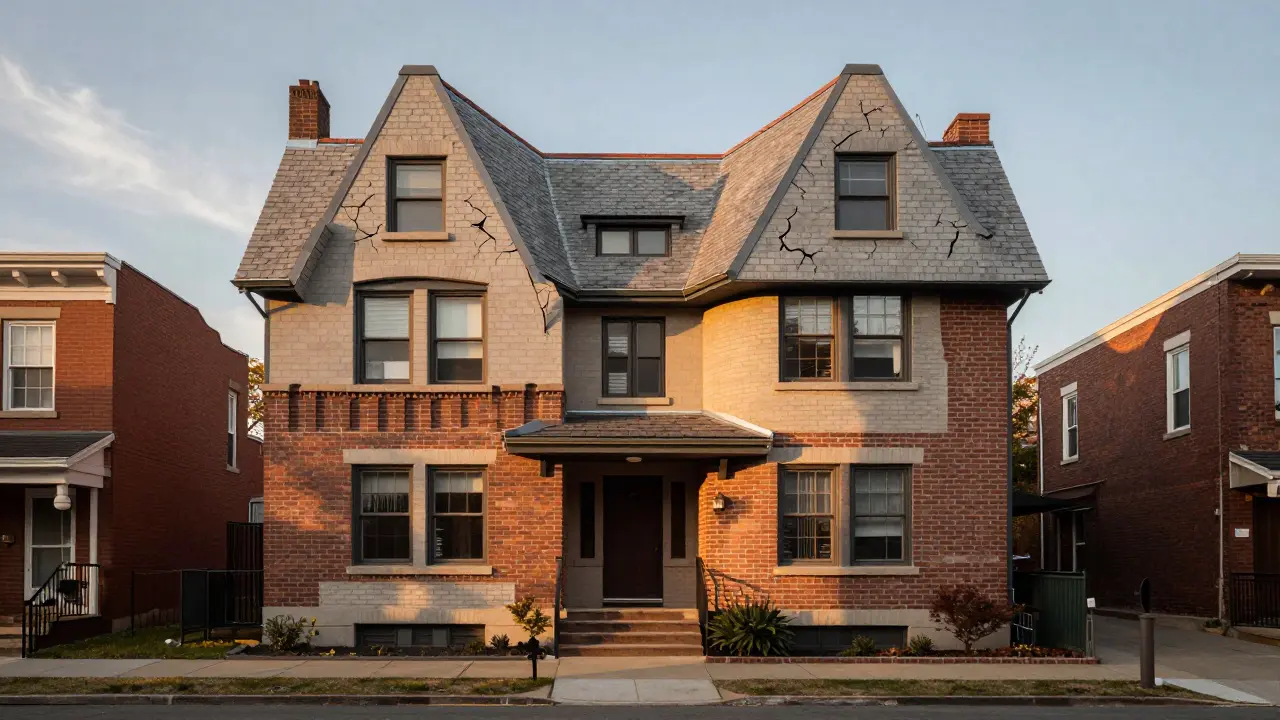
| Vanna Venturi House | Philadelphia, Pennsylvania, USA | Robert Venturi | An oversized, cracked gable roof that doesn’t align with the house below-symbolizing complexity and contradiction. |
The Portland Building by Michael Graves is perhaps the most controversial. Critics hated it at first, calling it ugly. But it perfectly captures the spirit: it uses massive stone blocks and colorful panels to create a sense of civic pride through sheer scale and symbolism. It’s not subtle, and that’s the goal.
Meanwhile, Philip Johnson’s AT&T Building shocked New York when it opened in 1984. Skyscrapers were supposed to taper or stay rectangular. Putting a giant wooden-looking shelf on top of a glass tower was audacious. It showed that even corporate giants could play with history.
Why It Matters Today
You might wonder: did postmodern architecture die out? In a way, yes. By the 1990s, it started to feel excessive. Too much decoration led to clutter. But its influence never disappeared. Look at contemporary architecture today. Do you see pure Modernism everywhere? No. Most new buildings mix styles. They use glass, but also wood. They reference local traditions while using modern technology. This hybrid approach is thanks to postmodernism.
It taught architects that buildings aren’t just machines for living in-they’re cultural statements. They tell stories. When you walk into a library designed with warm woods and arched windows, you feel calm. When you enter a tech startup office with exposed pipes and graffiti art, you feel creative. Postmodernism gave us permission to design for emotion, not just efficiency.
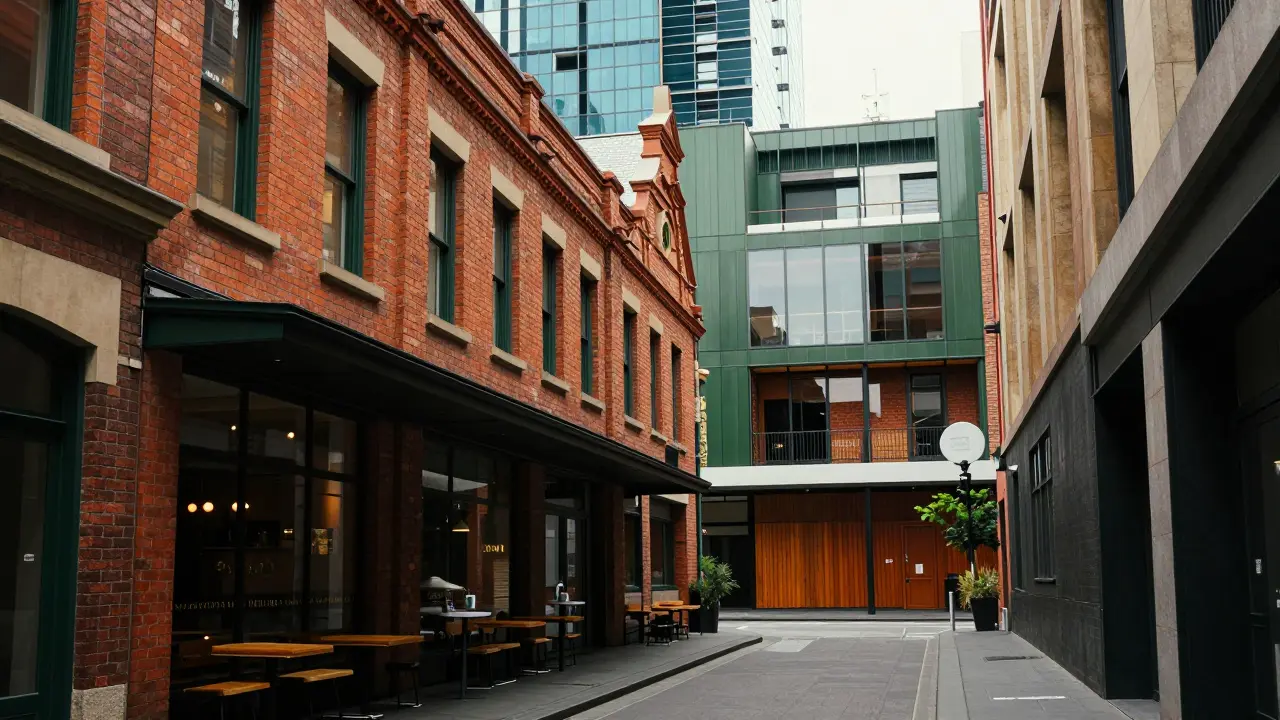
In Melbourne, where I live, you can see this blend. Our laneways preserve Victorian facades while housing modern cafes inside. New developments often mimic old brickwork to fit in. That sensitivity to context-that idea that a building should talk to its neighbors-is a gift from the postmodern revolution.
Criticisms and Controversies
No movement is perfect. Postmodern architecture faced heavy criticism. Some purists called it superficial. They argued that adding fake columns or historical quotes was dishonest. If a wall doesn’t hold up the roof, why pretend it does? This debate between "truth to materials" (a Modernist ideal) and "symbolic communication" (a Postmodern ideal) still exists today.
Others criticized it for being elitist. The jokes and references weren’t always clear to everyone. If you didn’t know what a Chippendale chair looked like, the AT&T Building’s roof might just seem weird, not witty. This raised questions: who is architecture for? The educated few, or the general public?
Despite these flaws, the movement forced a necessary conversation. It challenged the idea that there’s only one "correct" way to build. It opened the door for pluralism-the idea that many styles can coexist. Without postmodernism, our cities might still be filled with identical glass boxes.
How to Identify Postmodern Architecture in Your City
Want to start spotting postmodern buildings yourself? Here’s a quick checklist:
- Look for the unexpected. Does a modern building have a classical pediment? Is a residential block painted in pastel stripes?
- Check the materials. Are traditional materials like stone or brick used in unusual ways? Maybe brick is laid in a pattern that spells out a word.
- Notice the scale. Are some elements exaggerated? Giant doors, oversized windows, or disproportionately large roofs are common tricks.
- Feel the mood. Does the building try to make you laugh, feel nostalgic, or feel awe? If it aims for an emotional response beyond utility, it’s likely postmodern.
Next time you’re walking around your neighborhood, pay attention. You’ll find that postmodernism isn’t just in museums. It’s in the shopping centers, the banks, and the libraries that shape our daily lives. It reminds us that architecture can be fun, meaningful, and deeply human.
What is the difference between modern and postmodern architecture?
Modern architecture focuses on simplicity, functionality, and lack of decoration. It follows the rule "form follows function." Postmodern architecture rejects this rigidity. It embraces complexity, history, humor, and ornamentation. While modernism tries to erase the past, postmodernism celebrates and plays with it.
Who are the most famous postmodern architects?
Key figures include Robert Venturi, Denise Scott Brown, Michael Graves, Philip Johnson, Charles Moore, and Frank Gehry (in his early works). These architects pushed boundaries by mixing historical styles with contemporary forms.
Is postmodern architecture still popular today?
Pure postmodernism peaked in the 1980s and early 1990s. However, its influence remains strong. Many contemporary architects use postmodern principles like contextualism, mixed materials, and symbolic design without strictly adhering to the style’s specific aesthetics.
Why did postmodern architecture emerge?
It emerged as a reaction against the monotony and perceived coldness of Modernist architecture. People wanted buildings that reflected cultural identity, history, and human emotion rather than just serving as efficient containers for activities.
Can you give an example of a postmodern home?
The Vanna Venturi House in Philadelphia is a classic example. It features a large, non-functional gable roof that cracks open, asymmetrical windows, and playful proportions. It looks like a traditional house but subverts every expectation.