Mediterranean Revival Architecture: Its Influence on Pop Culture
 May, 23 2026
Have you ever watched a movie scene set in a sun-drenched courtyard with white walls and terracotta tiles and felt an instant sense of calm? That feeling isn’t accidental. It’s the result of Mediterranean Revival architecture, which has spent over a century shaping our visual language for romance, luxury, and relaxation. From Hollywood backlots to modern Instagram feeds, this style-rooted in the building traditions of Spain, Italy, Greece, and North Africa-has become a cultural shorthand for the "good life." But how did a regional building style from the early 20th century become such a dominant force in global pop culture?
The Visual Language of Mediterranean Revival
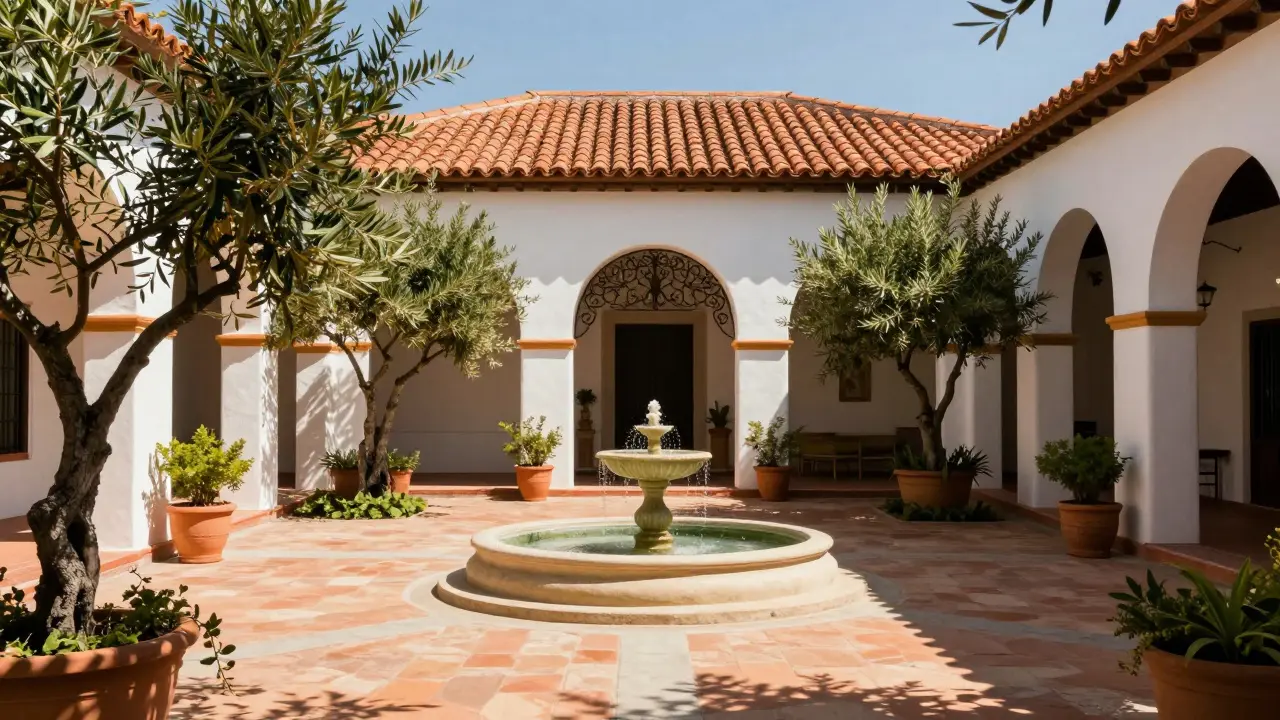
To understand its influence, we first need to look at what makes this style so recognizable. Unlike the rigid symmetry of Georgian architecture or the industrial honesty of Modernism, Mediterranean Revival is about texture, warmth, and organic flow. It borrows heavily from the vernacular architecture of the Mediterranean basin but adapts it for mass production and suburban living, particularly in the United States during the 1920s and 1930s.
The key elements are simple yet striking:
- Stucco Walls: Smooth, white, or pastel-colored exteriors that reflect heat and create a clean canvas.
- Terracotta Roof Tiles: The iconic barrel-shaped clay tiles that add rhythm and color to the skyline.
- Arched Openings: Doorways and windows framed by arches, often paired with wrought-iron details.
- Courtyards and Patios: Indoor-outdoor living spaces that blur the line between inside and outside.
- Asymmetrical Facades: A relaxed, non-linear approach to design that feels human-scaled.
These features aren’t just aesthetic choices; they serve functional purposes in warm climates. However, in pop culture, function takes a backseat to symbolism. The style represents a retreat from the cold, mechanical world of industry into a warmer, more sensual existence. This duality is why it appears so frequently in films and media depicting either idyllic escapes or mysterious, dramatic settings.
Hollywood’s Love Affair with Stucco and Tile
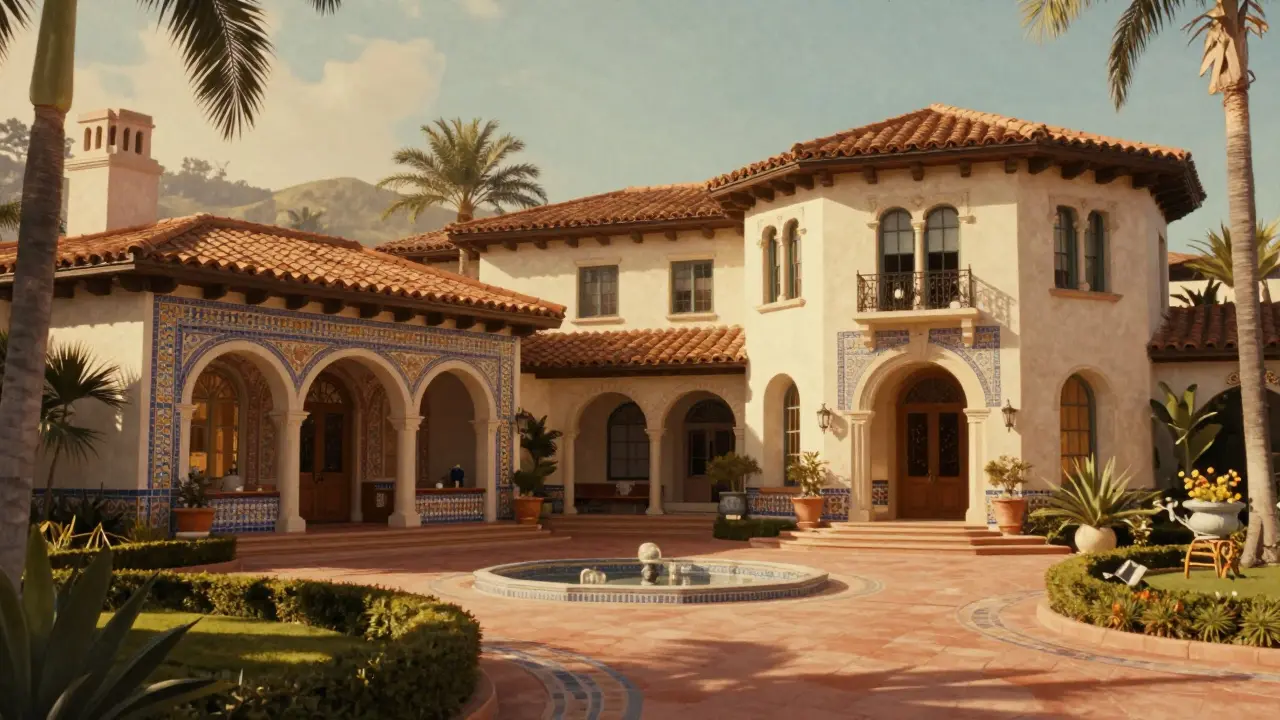
No discussion of Mediterranean Revival’s cultural impact is complete without mentioning Hollywood. In the 1920s and 1930s, as the film industry boomed in Southern California, architects like Wallace Neff and Reginald Johnson began designing homes for stars that mirrored the romanticized versions of Europe seen in movies. These weren’t just houses; they were sets for real-life dramas.
Consider the work of Wallace Neff, often called the "Prince of Architects" in Los Angeles. His designs for celebrities like Greta Garbo and Douglas Fairbanks featured sweeping courtyards, fountains, and intricate tilework. These homes didn’t just house stars; they projected an image of exotic wealth and artistic sophistication. When audiences saw these interiors in magazines or drive-by shots, they associated them with success and glamour.
This association stuck. Even today, when a film wants to depict a wealthy family in California or Florida, the director often chooses a Mediterranean-style mansion. Think of the opening scenes of Clueless (1995) or the lavish estates in Beverly Hills, 90210. The architecture does heavy lifting here, instantly establishing social status and geographic location without a single word of dialogue. It’s a visual shortcut that viewers understand intuitively.
Television Tropes and the "Ideal Home"
If cinema used Mediterranean Revival for glamour, television used it for comfort and familiarity. Throughout the mid-to-late 20th century, sitcoms and family dramas frequently utilized sets inspired by this style. Why? Because it felt welcoming. The open floor plans, the visible patios, and the warm lighting created a backdrop that encouraged interaction and intimacy.
Take Full House (1987-1995), which was filmed in San Francisco but featured a home with strong Mediterranean influences-arched doorways, tiled floors, and a central atrium. Or look at Modern Family (2009-2020), where the Dunphy-Pritchett-Delgado-Tucker-Scully household features a sprawling layout with indoor-outdoor flow typical of Southern California’s interpretation of the style. These shows normalized the idea that a good life involves space, light, and connection to nature-all hallmarks of Mediterranean design.
Even crime dramas lean on this aesthetic. Shows like Bones or Castle often feature locations with stucco walls and wrought-iron gates, using the style’s inherent mystery (shadows under arches, hidden courtyards) to enhance suspense. The architecture becomes a character itself, providing both beauty and potential danger.
Social Media and the Rise of the "Aesthetic"
In the 21st century, the influence of Mediterranean Revival shifted from passive viewing to active curation. Platforms like Pinterest, Instagram, and TikTok have turned this architectural style into a lifestyle brand. The term "Medi-Core" or "Spanish Style" has exploded online, with users sharing photos of their homes, travels, and even fashion choices inspired by these aesthetics.
What drives this trend? It’s largely about escapism and authenticity. In a digital world filled with sleek, minimalist tech aesthetics, the textured, imperfect beauty of hand-painted tiles and weathered stucco feels genuine. People crave tangible history and sensory richness. A photo of a lemon tree against a white wall with a terracotta pot tells a story of simplicity and joy that resonates deeply with users seeking mental breaks from urban chaos.
This online enthusiasm has also fueled a resurgence in renovation projects. Homeowners are stripping away vinyl siding and adding arched windows to mimic the look. Real estate listings now highlight "Mediterranean charm" as a selling point, knowing that buyers associate it with higher property values and desirable neighborhoods. The cycle continues: media creates desire, social media amplifies it, and real-world demand follows.
Fashion, Interiors, and Lifestyle Branding
The ripple effect extends beyond buildings. Fashion brands have repeatedly drawn inspiration from Mediterranean palettes-ochre, teal, terracotta, and cream. Designers like Ralph Lauren and Gucci have built entire collections around the idea of "la dolce vita," featuring linen fabrics, embroidery, and silhouettes that evoke the ease of coastal living.
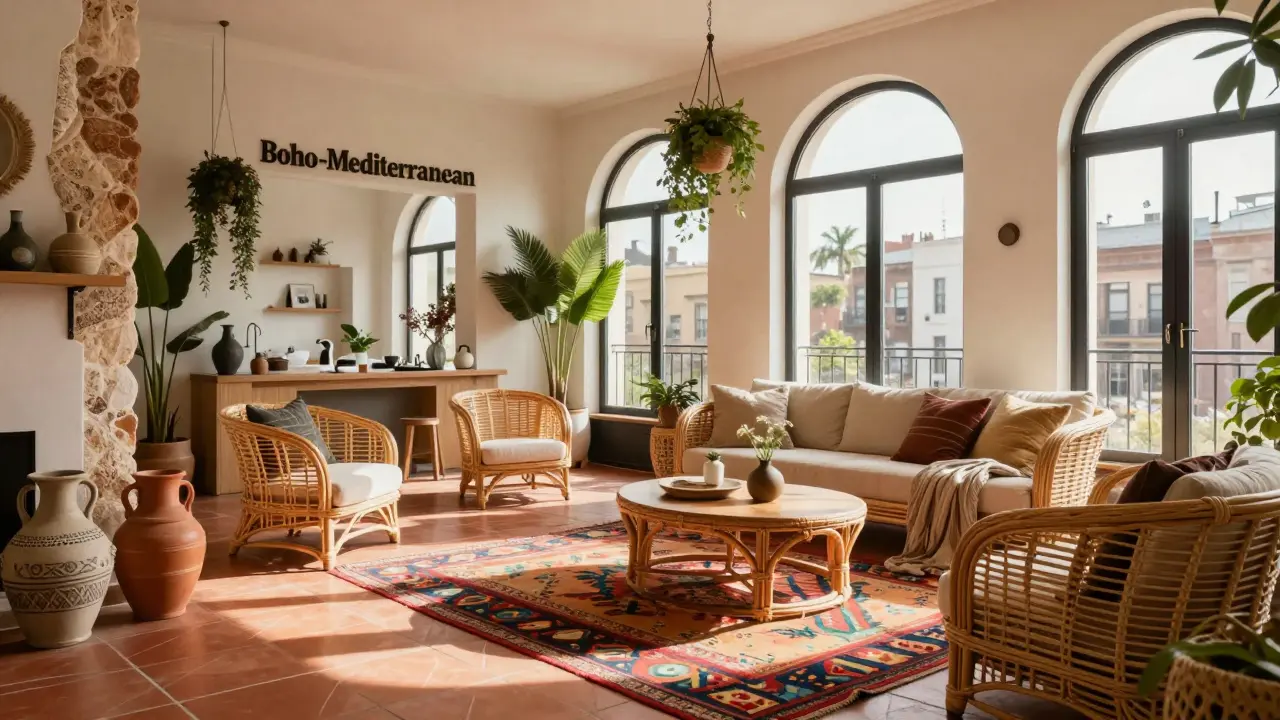
Interior design has followed suit. The "Boho-Mediterranean" fusion is popular, combining rattan furniture, kilim rugs, and ceramic vases to recreate the vibe of a Greek island villa or a Moroccan riad within city apartments. Companies sell curated kits of olive oil lamps, patterned textiles, and stone accents, allowing consumers to buy into the lifestyle without owning a beachfront property.
Even hospitality industries leverage this. Hotels in places like Miami Beach, Palm Springs, and even Perth (where I live) adopt Mediterranean motifs to promise guests a vacation experience regardless of their actual destination. The architecture sells the dream of leisure, making it a powerful tool in tourism marketing.
| Medium | Primary Association | Key Architectural Features Used |
|---|---|---|
| Film | Glamour, Mystery, Wealth | Grand facades, wrought iron, dramatic shadows |
| Television | Family, Comfort, Stability | Open plans, patios, warm lighting |
| Social Media | Aesthetic, Escapism, Authenticity | Tile details, plants, textures |
| Fashion | Leisure, Romance, Tradition | Color palettes, natural materials |
Why It Endures: Psychological Appeal
So, why does this style remain relevant decades after its peak construction era? Psychologically, it taps into deep-seated human preferences. Biophilic design principles suggest we are drawn to environments that connect us with nature. Mediterranean Revival achieves this through courtyards, water features, and abundant use of plants. It reduces stress and promotes well-being, which is increasingly valuable in fast-paced modern life.
Additionally, it offers a sense of timelessness. While contemporary styles can feel dated quickly, the basic forms of Mediterranean architecture-domes, arches, thick walls-have been used for millennia. This longevity gives it credibility and appeal. It doesn’t look like a trend; it looks like heritage. For many, owning or visiting such a space feels like participating in a continuous cultural narrative rather than chasing a fleeting fashion.
Challenges and Criticisms
Of course, no style is without critique. Some argue that Mediterranean Revival has become cliché, especially in regions where it’s climatically inappropriate, like colder parts of the U.S. or Australia. Building white stucco homes in freezing temperatures requires significant heating energy, contradicting sustainability goals. Critics also point out that mass-produced versions often lack the craftsmanship of original examples, resulting in superficial copies that miss the soul of the style.
Yet, even these criticisms fuel further discussion and adaptation. Sustainable architects are now reinterpreting the style with better insulation, solar-ready roofs, and local materials, proving that the core ideas can evolve while retaining their charm. The conversation around authenticity vs. imitation keeps the topic alive in academic and popular discourse alike.
Conclusion: More Than Just Bricks and Mortar
Mediterranean Revival architecture is more than a collection of building techniques. It’s a cultural artifact that reflects our desires for beauty, comfort, and escape. Through film, TV, social media, and lifestyle branding, it has woven itself into the fabric of global pop culture. As long as people seek refuge from complexity and yearn for simpler, sunnier days, this style will continue to inspire and influence how we imagine our ideal lives.
What defines Mediterranean Revival architecture?
It is defined by stucco walls, terracotta roof tiles, arched openings, asymmetrical facades, and indoor-outdoor living spaces like courtyards. It draws inspiration from Spanish, Italian, and Greek vernacular architecture.
How did Hollywood influence the popularity of this style?
Hollywood actors and directors built homes in this style to project glamour and exoticism. Films and magazines showcased these residences, associating the architecture with wealth, romance, and success, which spread the trend nationwide.
Is Mediterranean Revival suitable for all climates?
Originally designed for warm, dry climates, it can be challenging in cold or humid regions without modifications. Proper insulation and ventilation are needed to make it energy-efficient in non-traditional locations.
Why is this style popular on social media?
Its textured, colorful, and natural elements provide a visually appealing contrast to minimalist digital aesthetics. It symbolizes relaxation and authenticity, resonating with users seeking escapism and mental wellness.
Can I incorporate Mediterranean elements into a modern home?
Yes, you can add arched doorways, terracotta tiles, wrought-iron fixtures, and outdoor courtyards to modern designs. Blending these features with contemporary materials creates a unique hybrid style known as Neo-Mediterranean.