Gothic Architecture: How Pointy Arches and Flying Buttresses Shaped Pop Culture
 Apr, 11 2026
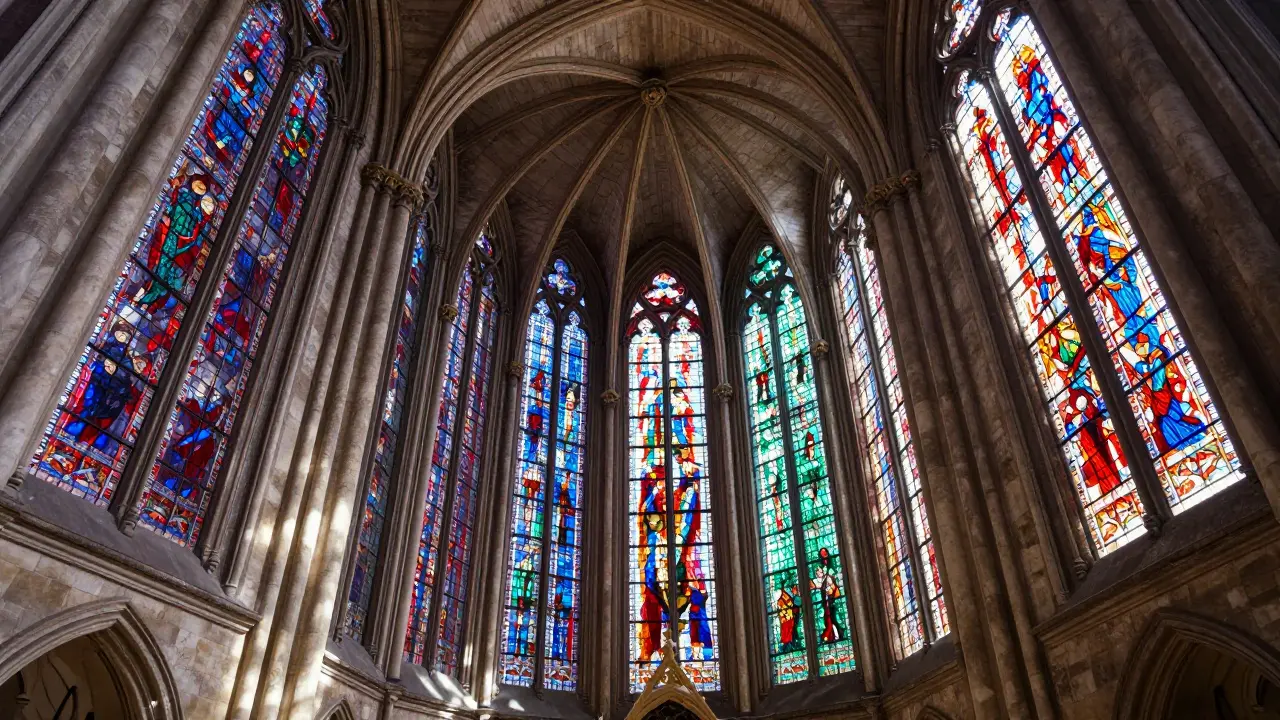
Ever wonder why a haunted house in a movie always has a steep, jagged roof and tall, narrow windows? Or why the aesthetic of a moody university campus in a novel feels so heavy and mysterious? It isn't a coincidence. We are living in a world permanently stained by the visual language of Gothic architecture is a European architectural style that flourished during the High and Late Middle Ages, characterized by ribbed vaults, flying buttresses, and pointed arches. Also known as the Ogival style, it transformed heavy Romanesque walls into skeletal structures of light and height.. Even though the original era ended centuries ago, the vibe of the Gothic cathedral still dictates how we imagine everything from villains' hideouts to high-fashion runways.
The Core Essentials of the Gothic Look
To understand why this style sticks to us like glue, you have to look at the physics. Before this, buildings were chunky and dark. Then came the Flying Buttress, a structural element that shifted the weight of the roof outward, allowing walls to be thinner and taller. This meant architects could plug in massive Stained Glass windows, flooding stone halls with ethereal, colored light.
The Pointed Arch was the real game-changer. Unlike the round arches of the Roman era, the pointed version pushed weight down more efficiently. This created a verticality that felt like the building was trying to touch the sky. When you see a skyscraper today with a pointed top or a luxury hotel with dramatic vaults, you're seeing a descendant of this medieval engineering. The goal wasn't just stability; it was about creating a feeling of awe and insignificance in the face of something vast.
| Feature | Romanesque (The Predecessor) | Gothic (The Evolution) |
|---|---|---|
| Arches | Round and heavy | Pointed and slender |
| Windows | Small, few, and dark | Large, ornate, and colorful |
| Support | Thick load-bearing walls | External flying buttresses |
| Vibe | Fortress-like, grounded | Heavenly, vertical, airy |
The Birth of the 'Gothic' Vibe in Literature
Fast forward to the 18th century. People stopped building cathedrals for the Pope and started building ruins for the mood. This led to the Gothic Revival, a movement that brought back the pointed arches and ornate carvings, but this time for mansions and universities. Writers noticed that these buildings felt naturally eerie. A crumbling abbey or a castle with a spiral staircase wasn't just a setting; it was a character.
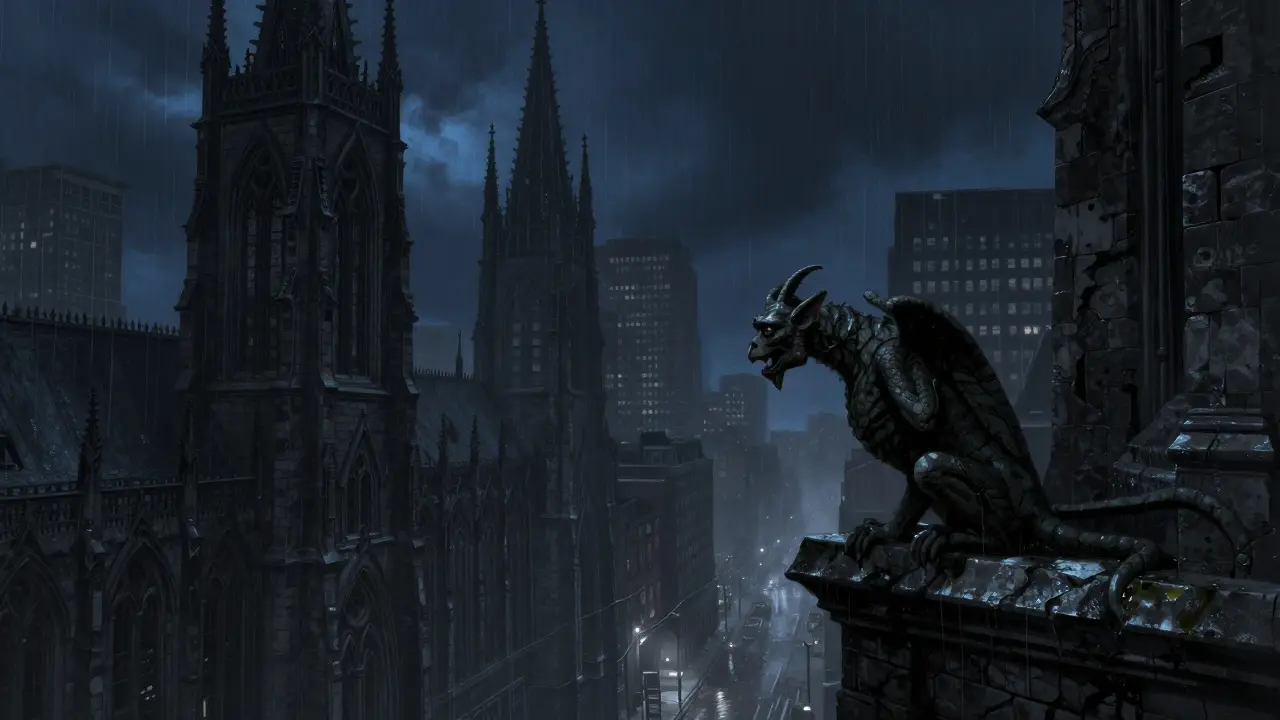
Think about Horace Walpole's The Castle of Otranto. He used the architecture to create a sense of claustrophobia and ancient dread. By linking the physical structures of the Middle Ages to themes of madness and family secrets, literature turned a building style into a psychological state. If a story takes place in a building with a Gargoyle-those carved stone creatures designed to drain water away from walls-the reader automatically knows something sinister is about to happen. The architecture does the heavy lifting for the plot.
Hollywood's Obsession with the Macabre
Cinema took these literary tropes and turned the volume up to eleven. The early days of horror movies, especially those from Universal Pictures in the 1930s, relied heavily on Gothic visuals. Why? Because the scale of Gothic buildings makes humans look small and vulnerable. When a character walks through a hallway with 40-foot ribbed vaults, they look like an ant. That's instant tension.
Tim Burton is perhaps the most famous modern disciple of this look. From The Nightmare Before Christmas to Sweeney Todd, his worlds are essentially Gothic architecture on steroids. He exaggerates the verticality, makes the arches even pointier, and uses a palette of blacks and grays to emphasize the skeletal nature of the buildings. He isn't just using a style; he's using the inherent drama of the Gothic form to signal that his worlds are surreal and melancholic.
Even the Batman universe leans on this. Gotham City isn't just a city; it's a sprawling monument to Neo-Gothic architecture. The towering spires and oppressive stone facades represent the weight of corruption and the darkness of the urban jungle. When you see a gargoyle perched on a ledge in a Batman movie, it's a direct nod to the medieval cathedrals of Europe, repurposed to symbolize a city that is watching and judging.
From Cathedrals to Closets: The Fashion Connection
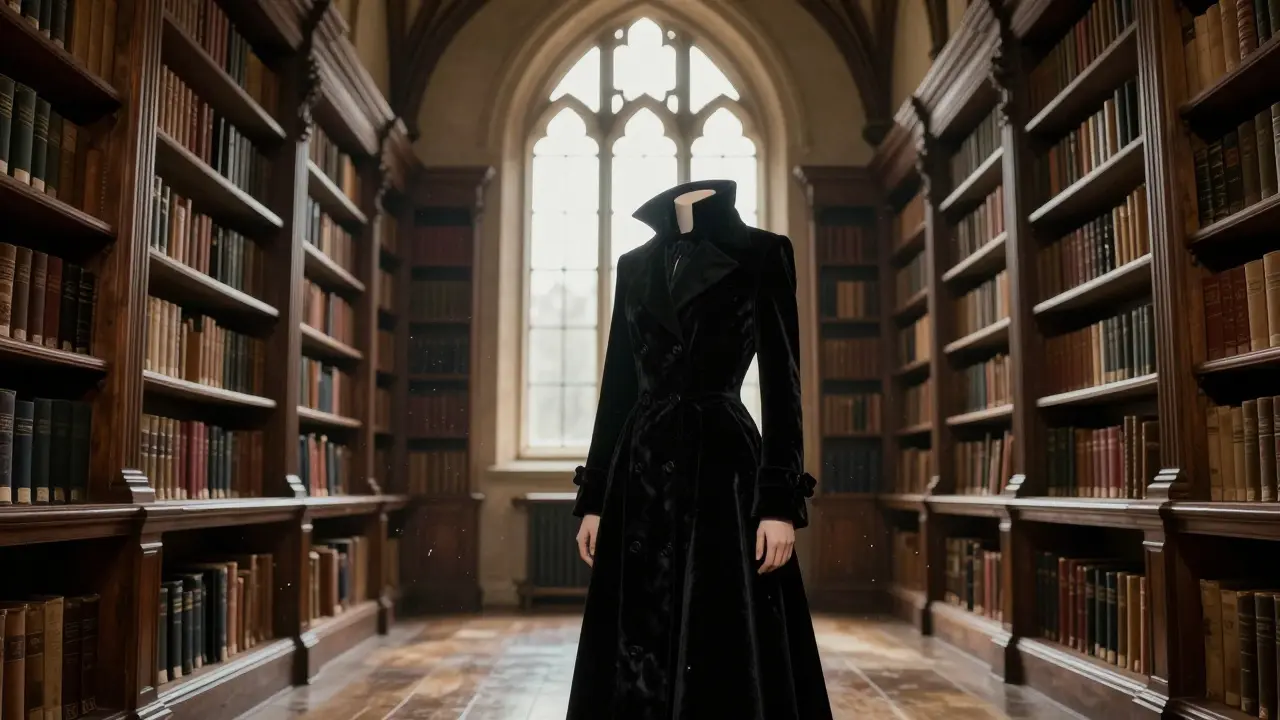
Architecture doesn't just stay in the ground; it moves into our wardrobes. The transition from the stone walls of the 12th century to the lace and velvet of the Goth Subculture is a straight line. The subculture adopted the name because it shared the same fascination with the morbid, the romantic, and the dramatic. The high collars and structured silhouettes of Goth fashion mimic the verticality and rigidity of a cathedral.
More recently, we've seen the rise of Dark Academia. This is an internet-born aesthetic that romanticizes the pursuit of knowledge in old, dusty libraries. It's basically a love letter to the Gothic Revival campuses of Oxford and Yale. When people wear tweed blazers and spend their afternoons in rooms with oak paneling and pointed windows, they are participating in a modern version of the Gothic dream. They aren't just studying; they are performing a role defined by 800-year-old stone walls.
Gaming and the Virtual Gothic
Video games are where Gothic architecture gets to be truly imaginative because they aren't limited by gravity. Games like Dark Souls or Bloodborne use Gothic elements to create "environmental storytelling." In these worlds, the architecture tells you that the society has fallen. A massive, crumbling spire that reaches into a blood-red sky tells the player that this place once had grand ambitions but has since decayed.
The use of Ribbed Vaults and soaring ceilings in digital spaces is often used to evoke a sense of spiritual dread. By manipulating the scale of the rooms, developers make the player feel the oppressive weight of a forgotten god or an ancient empire. The architecture becomes a tool for psychological manipulation, guiding the player's emotions through the sheer geometry of the space.
Why We Can't Let Go of the Pointed Arch
So, why does a style from the 1100s still work in 2026? It's because Gothic architecture taps into a fundamental human tension: the balance between strength and fragility. A flying buttress is a bold, heavy piece of stone, yet it exists solely to allow the wall to be thin and fragile. That contrast is a perfect metaphor for the human condition.
We use these visuals whenever we want to express something that is both beautiful and terrifying. Whether it's the backdrop of a vampire's castle or the moody halls of a prestigious boarding school, the Gothic style provides a shortcut to an emotional state. It transforms a simple room into a space of mystery, power, and longing. As long as we are fascinated by the shadows and the sublime, we will keep building, drawing, and wearing the legacy of the Gothic era.
What exactly makes a building "Gothic"?
A building is considered Gothic if it uses specific structural innovations: the pointed arch (which allows for taller ceilings), the ribbed vault (which supports the roof more efficiently), and the flying buttress (external supports that allow for massive windows). The focus is always on verticality and light.
Is the "Goth" music subculture related to the architecture?
Indirectly, yes. The Goth subculture took its name and aesthetic from Gothic literature, which in turn was inspired by the architecture of the Middle Ages. Both share a fascination with ruins, mortality, and the romanticized darkness of the past.
Where can I see the best examples of Gothic architecture today?
The most iconic examples are in Europe. Notre-Dame and Sainte-Chapelle in Paris are prime examples of French Gothic. Westminster Abbey in London showcases the English style, while Cologne Cathedral in Germany is a masterpiece of the style's scale and ambition.
What is the difference between Gothic and Neo-Gothic?
Gothic refers to the original style from the 12th to 16th centuries. Neo-Gothic (or Gothic Revival) happened in the 18th and 19th centuries, where architects intentionally copied those old styles to build things like the British Houses of Parliament or university campuses.
Why are gargoyles used in Gothic buildings?
Gargoyles serve two purposes. Practically, they are waterspouts that throw rain away from the building's walls to prevent erosion. Symbolically, they were meant to ward off evil spirits or remind people of the dangers outside the church.
Next Steps for the Architecture Enthusiast
If you've caught the Gothic bug, start by looking at your own city. Many old courthouses or churches use Neo-Gothic elements that you might have walked past a thousand times. Try to spot the difference between a round arch and a pointed one-it's the quickest way to identify the influence.
For those into digital art or gaming, try analyzing the level design of a "dark fantasy" game. Notice how the height of the ceilings changes based on whether the character is feeling powerful or trapped. Once you see the pattern, you'll realize that the architects of the 12th century are still designing our digital worlds today.