Dutch Colonial Revival Architecture: How This Style Shaped American Homes
 Dec, 22 2025
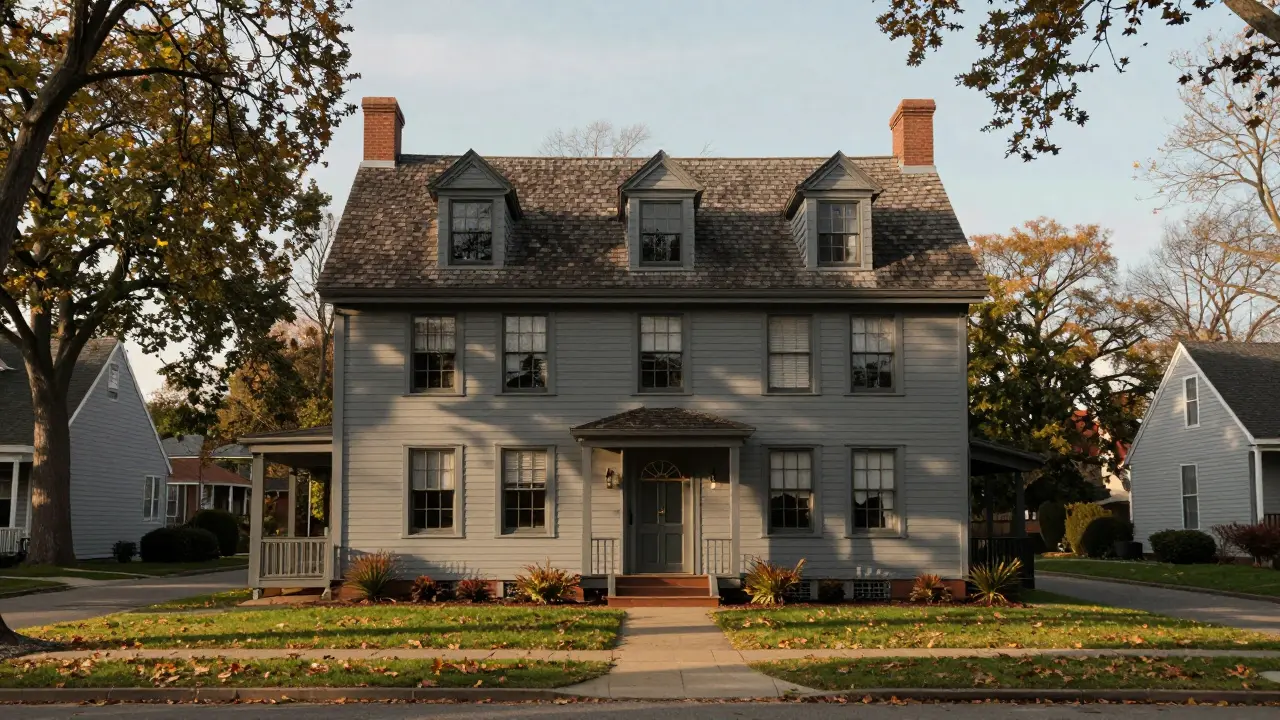
When you see a house with a wide, curved roof that slopes down on both sides like a barn, flanked by chimneys at each end and a central door with a fanlight above it, you’re looking at Dutch Colonial Revival architecture. It’s not just old-fashioned-it’s a quiet rebirth of a style that once defined early American settlements, then vanished, only to come back with renewed charm in the early 1900s. Unlike the grand columns of Greek Revival or the ornate details of Victorian homes, Dutch Colonial Revival speaks in simple, sturdy lines. It’s the kind of house that looks like it’s always belonged where it stands.
Where It All Began: The Original Dutch Settlers
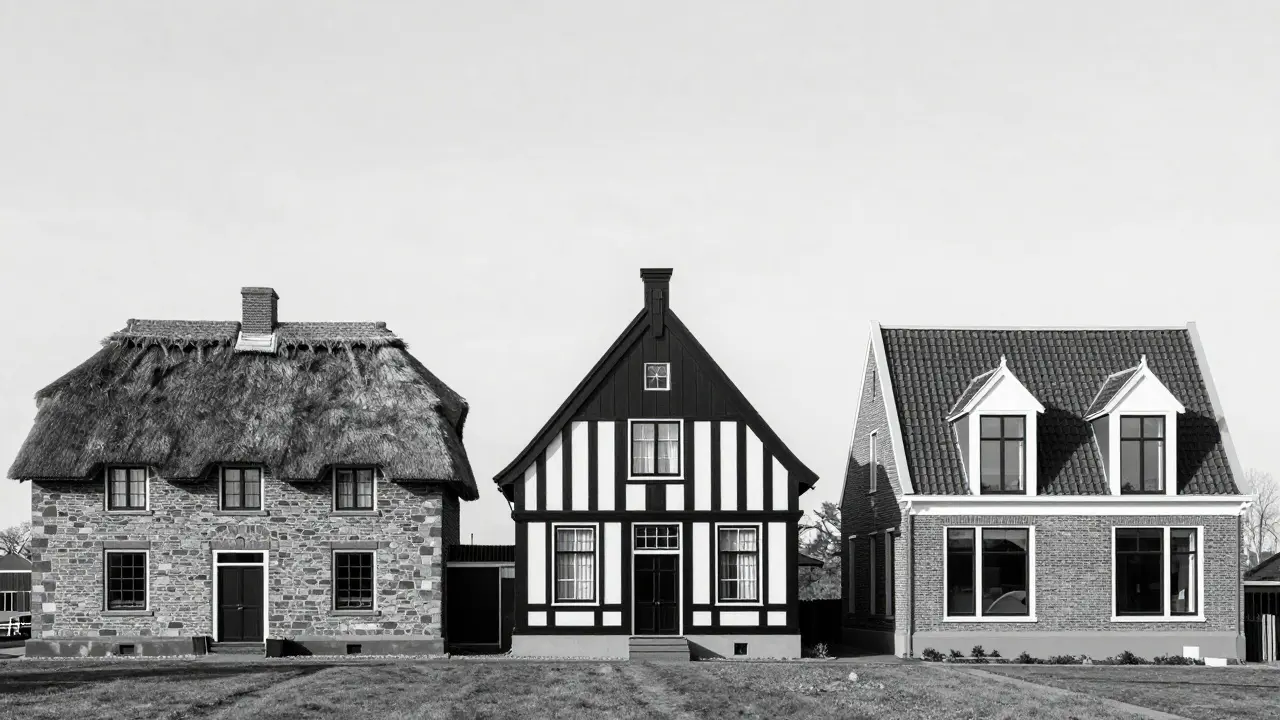
The roots of this style go back to the 1600s, when the Dutch West India Company established New Netherland along the Hudson River. That’s modern-day New York, New Jersey, and parts of Connecticut. These settlers built homes from local materials-stone, brick, and timber-using techniques passed down from the Netherlands. Their houses had wide, double-pitched gambrel roofs to maximize attic space without adding height. Why? Because taxes were often based on the number of stories, not the total volume. A gambrel roof gave you two full floors of living space and a usable attic under one roofline, all while keeping the building tax-efficient.
Windows were small and grouped in pairs, often with shutters. Doors were centered, sometimes with a pediment or fanlight above. Chimneys were massive, built at both ends of the house to heat multiple rooms. These weren’t showy homes. They were practical, built to last through harsh winters and long growing seasons.
The Revival: Why It Came Back in the 1900s
By the late 1800s, most of these original Dutch Colonial homes had been torn down or heavily altered. But in the 1890s, a wave of American nostalgia began. People started looking back at the nation’s colonial past-not the grand estates of Virginia, but the modest, hardworking homes of the Northeast. Architects like William G. Rantoul and historians like Henry Russell Hitchcock began writing about these forgotten buildings. In 1905, the Philadelphia Centennial Exposition featured a reconstructed Dutch Colonial house. That’s when the revival truly took off.
By the 1920s and 1930s, builders across the U.S. were putting up Dutch Colonial Revival homes in suburbs from Boston to Chicago. Developers liked it because the gambrel roof was easy to construct with standard lumber, and the style looked established, even on brand-new lots. It was the perfect blend of tradition and affordability. Unlike Tudor Revival homes, which required expensive stone and timber framing, Dutch Colonial Revival could be built with wood frame construction and asphalt shingles. It didn’t need to be fancy to feel authentic.
Key Features That Define the Style
If you’re trying to spot a true Dutch Colonial Revival, look for these five features:
- Gambrel roof: The most unmistakable trait. Two slopes on each side-the top slope is shallow, the bottom is steep. Often covered in wood shingles or asphalt, sometimes with dormer windows breaking through.
- Central entrance: Usually flanked by double-hung windows. The door often has a semi-circular fanlight above it, sometimes with decorative muntins.
- Chimneys at both ends: Two large brick or stone chimneys, one at each gable end. This allowed for multiple fireplaces inside.
- Clapboard or shingle siding: Traditional wood siding, often painted white or soft gray. Some later versions used brick veneer.
- Low, wide profile: These homes aren’t tall. They hug the ground, giving them a grounded, stable look.
Later versions added more decorative elements-paneled doors, Palladian windows, even Colonial Revival columns on porches-but the gambrel roof remained non-negotiable. Without it, it’s just a regular two-story house.
Where to Find the Best Examples Today
While you can find Dutch Colonial Revival homes in nearly every U.S. state, the highest concentration is still in the Northeast. In New Jersey, towns like Princeton and Morristown have entire neighborhoods of these homes built in the 1920s. In New York, Westchester County is full of them-many still owned by the same families since the 1930s.
Outside the Northeast, look for them in planned suburbs from the 1920s-1940s. Places like Shaker Heights in Ohio, or the historic districts of Minneapolis and Chicago, have clusters of these homes. Even in California, you’ll find them in older neighborhoods like Pasadena and Berkeley, where builders copied the style to give new homes a sense of history.
One of the most photographed examples is the Van Cortlandt House in the Bronx, New York. Built in 1748, it’s an original Dutch Colonial, not a revival-but it inspired countless 20th-century copies. Nearby, the Old Dutch Church of Sleepy Hollow (1697) shows how the same roofline was used in religious buildings too.
Why This Style Still Matters
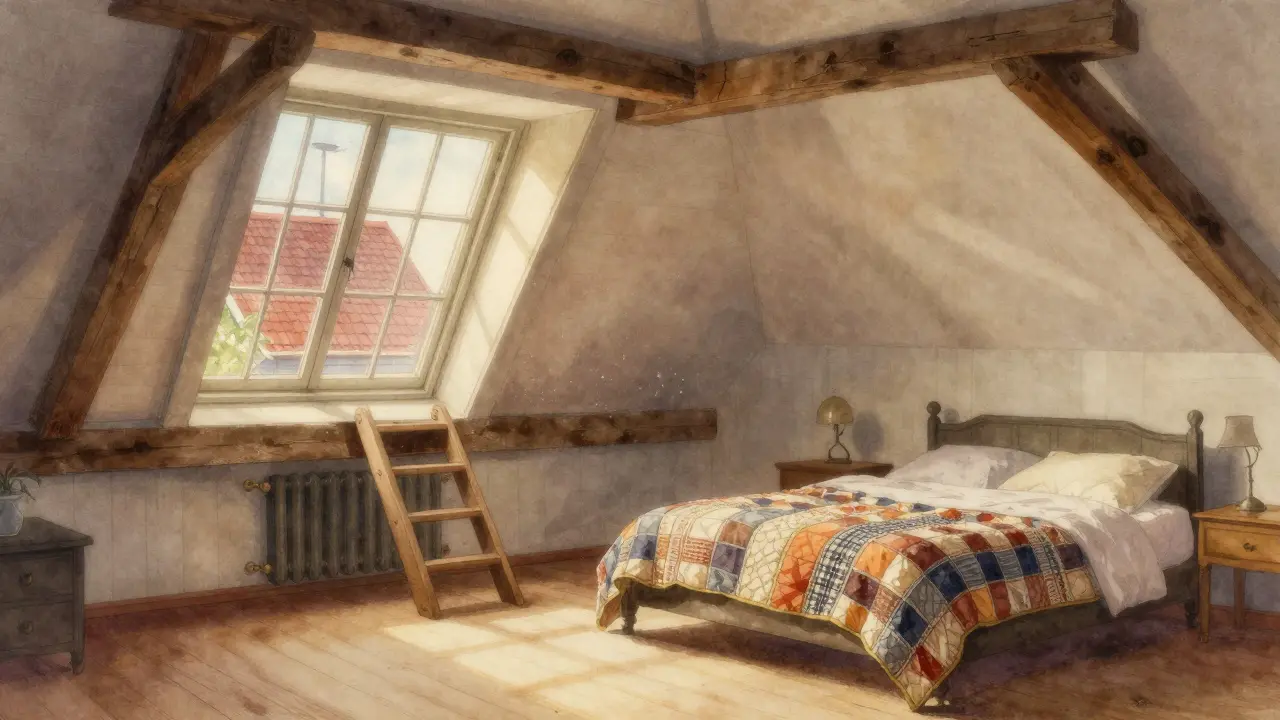
Today, Dutch Colonial Revival homes are prized for their efficiency, durability, and timeless look. The gambrel roof isn’t just pretty-it’s functional. It creates extra space in the upper floors without raising the building’s height. That’s why many modern homeowners choose to add dormers or convert the attic into a bedroom or home office. The thick walls and high ceilings help with insulation, making these homes surprisingly energy-efficient for their age.
Unlike McMansions with their steep roofs and excessive ornamentation, Dutch Colonial Revival homes feel grounded. They don’t scream for attention. They just sit there, solid and quiet. That’s part of their appeal in a world of flashy designs. They’re the architectural equivalent of a well-worn leather chair-comfortable, reliable, and full of character.
Restoring a Dutch Colonial Revival Home
If you own one, restoration isn’t about making it look new-it’s about bringing back its original soul. Start with the roof. Many were re-roofed with asphalt shingles in the 1950s. Replacing them with wood shingles or fiberglass that mimics wood gives you authenticity without the maintenance.
Original windows were double-hung with small panes. Modern replacements often use single-pane glass and wide muntins. For accuracy, look for 6-over-6 or 8-over-8 glazing patterns. Avoid vinyl windows-they kill the character.
Don’t add a garage attached to the front. Traditional Dutch Colonial homes had carriage houses or sheds in the back. If you need space, build a detached garage or convert an existing outbuilding. The front facade should remain clean and uncluttered.
Paint colors matter too. Original homes were often painted white, cream, or soft gray. Avoid bold colors like navy or teal-they belong to a different era. Stick to historic palettes from the 1920s-1930s, like Benjamin Moore’s “Chantilly Lace” or Sherwin-Williams’ “Agreeable Gray.”
Common Mistakes to Avoid
People often mistake any house with a gambrel roof for Dutch Colonial Revival. But that’s not enough. A barn-style roof on a ranch-style home? That’s just a gambrel roof. True Dutch Colonial Revival has a specific balance: the roof must be wide, the body low, the windows evenly spaced, and the chimney placement symmetrical.
Another mistake? Adding a wraparound porch. That’s a Queen Anne or Craftsman trait. Dutch Colonial homes rarely had porches. If they did, they were small, single-story, and tucked under the roofline.
And don’t go overboard with colonial details. A wrought-iron lantern or a pediment over the door might seem right, but they’re often later additions. Stick to the core features. Less is more.
What Comes Next for This Style?
Dutch Colonial Revival isn’t trendy. It doesn’t appear on Instagram feeds of modern architects. But that’s why it’s enduring. As more people move away from cookie-cutter homes and seek out buildings with history and soul, this style is quietly gaining new appreciation. In 2023, the National Trust for Historic Preservation listed Dutch Colonial Revival homes among the top 10 endangered architectural styles due to demolition for larger, modern builds.
But there’s hope. Historic preservation groups in New Jersey and Massachusetts are offering grants to restore original Dutch Colonial homes. Architects are starting to design new builds using the same principles-gambrel roofs, compact footprints, energy-efficient insulation. It’s not about copying the past. It’s about learning from it.
Maybe the next generation won’t call it Dutch Colonial Revival. Maybe they’ll just call it good design. Because in the end, that’s what it was always meant to be: a house that works, lasts, and belongs.
What makes a house Dutch Colonial Revival and not just any house with a gambrel roof?
A true Dutch Colonial Revival has a specific combination: a wide, symmetrical gambrel roof, a low and wide profile, a centered entrance with a fanlight, chimneys at both ends, and clapboard or shingle siding. Many homes have gambrel roofs-barns, modern cottages, even some sheds-but without the other elements, it’s not Dutch Colonial Revival. The style is defined by its balance, proportion, and historical roots, not just one feature.
Are Dutch Colonial Revival homes expensive to maintain?
They’re not more expensive than other historic homes, but they do require attention. The gambrel roof needs regular inspections for water damage, especially around dormers. Original wood siding may need repainting every 7-10 years. Windows should be restored, not replaced with vinyl. The good news? The thick walls and simple design make them energy-efficient. Many owners report lower heating bills than in newer, poorly insulated homes.
Can you add a second story to a Dutch Colonial Revival home?
Technically yes, but it’s not recommended. The whole point of the gambrel roof is to create usable space without adding height. Adding a second story changes the roofline and ruins the low, horizontal profile that defines the style. If you need more space, convert the attic instead. Most Dutch Colonial Revival homes have high, open attics that can easily become bedrooms or offices with proper insulation and dormers.
Why are chimneys placed at both ends of the house?
In original Dutch Colonial homes, chimneys were placed at each end to serve multiple fireplaces inside. This allowed heat to reach different rooms without needing one massive central chimney. The dual-chimney design improved airflow and reduced smoke buildup. In revival homes from the 1920s-1940s, the chimneys were often decorative, but they still followed the traditional layout for authenticity.
Is Dutch Colonial Revival architecture still being built today?
Not often as a mainstream style, but yes-in historic districts and by custom builders who specialize in traditional architecture. Some new homes in places like Charleston, Savannah, and Portland, Maine, use Dutch Colonial elements, especially the gambrel roof, to blend with older neighborhoods. It’s not a trend, but it’s a quiet revival based on practicality and timeless design.