Dutch Colonial Revival Architecture: History, Features, and Modern Appeal
 Apr, 27 2026
Key Takeaways
- The defining feature is the gambrel roof, which provides more headspace in the upper floor.
- It peaked in popularity between 1890 and 1940, often appearing in emerging suburbs.
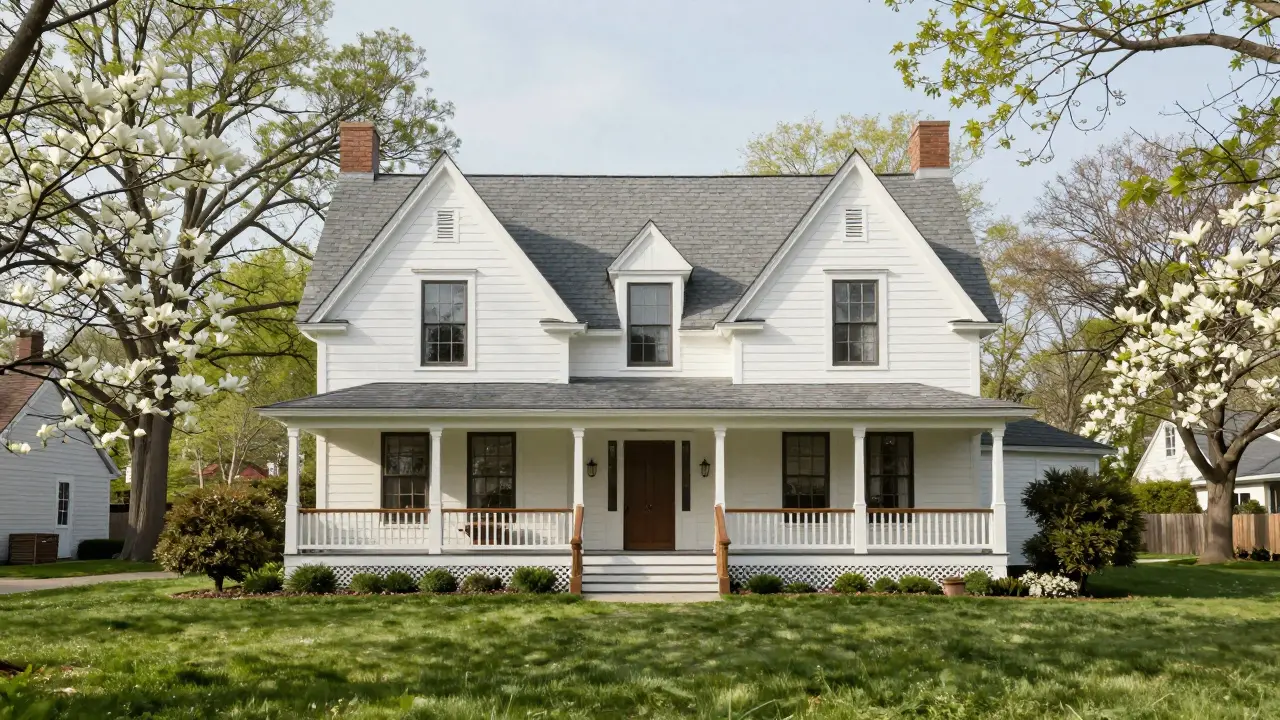
- Unlike the original Dutch homes, the Revival style often added larger porches and symmetrical windows.
- It's highly valued today for its blend of quaint aesthetics and functional interior space.
Where Did This Style Actually Come From?
To understand the revival, we have to look at the source. In the 1600s, Dutch settlers is immigrants from the Netherlands who established colonies in New Netherland, primarily in what is now New York, New Jersey, and Delaware brought their building techniques with them. They didn't have fancy blueprints; they built based on what worked for their climate and the materials they had. These original homes were often modest, using fieldstone or heavy timber.
Fast forward to the late 19th century. America was industrializing rapidly, and people started feeling a bit disconnected from their roots. This sparked the Colonial Revival movement is an architectural trend from the 1880s to the 1950s that sought to emulate the styles of early American settlers . Architects began looking back at the early colonies. They took the rugged, practical shapes of the original Dutch houses and polished them up for the wealthy middle class of the 1920s. It wasn't about historical accuracy; it was about the "vibe" of stability, heritage, and homey comfort.
The Anatomy of a Dutch Colonial Revival Home
You can spot these homes from a mile away thanks to one specific feature: the Gambrel Roof is a two-sided roof with two slopes on each side, the lower slope being steeper than the upper one . Think of it as a hybrid between a gable roof and a hip roof. Why do this? It’s not just for looks. By breaking the slope, builders could create a full second story of living space without the house looking like a towering three-story behemoth. It kept the profile low to the ground, which felt more natural and less imposing.
But the roof is just the start. If you look closer, you'll see other hallmarks:
- Flaring Eaves: Many of these homes have roofs that curve outward at the bottom, almost like a skirt. This helped shed rainwater away from the foundation.
- Symmetrical Facades: While the original Dutch homes were often asymmetrical, the Revival versions love balance. You'll usually see a centered front door with an equal number of windows on either side.
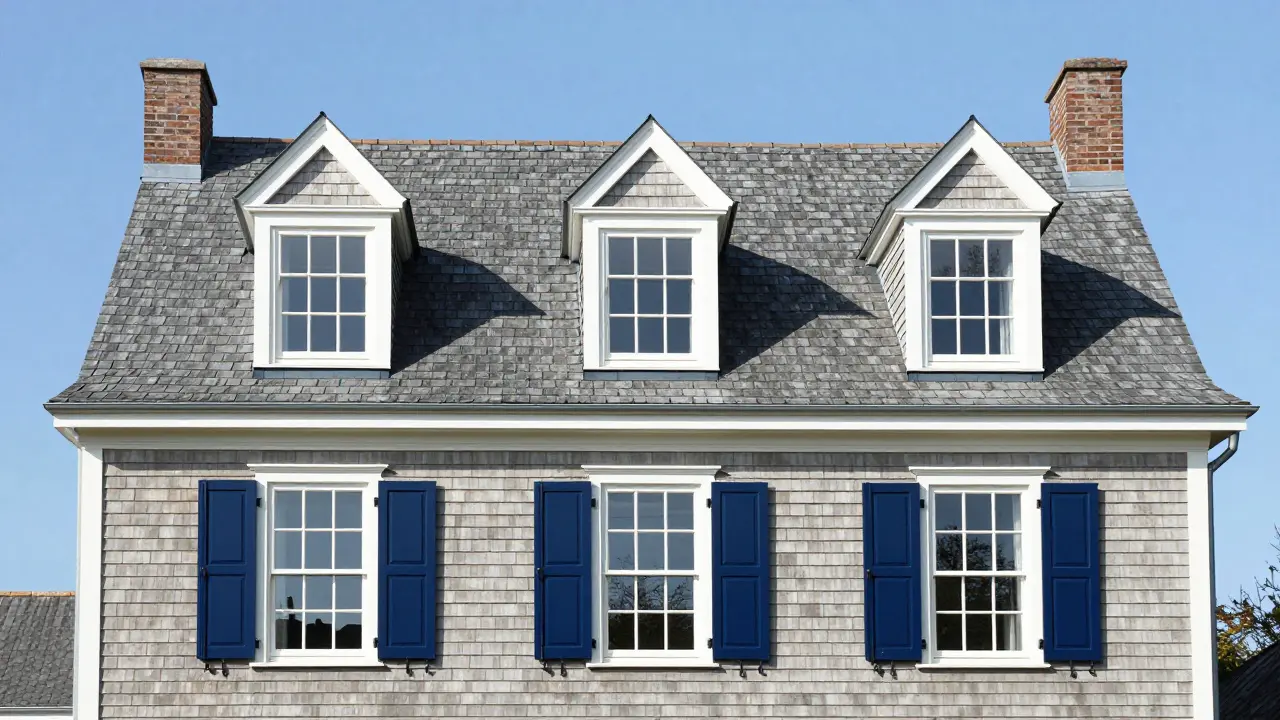
- Dormer Windows: Because the gambrel roof creates a large attic-like space, Dormers are installed to let light and air into those upstairs bedrooms.
- Cladding: While stone was common in the 1600s, the 20th-century revivalists leaned heavily on cedar shingles or horizontal lap siding.
| Feature | Original (17th Century) | Revival (1890-1940) |
|---|---|---|
| Materials | Fieldstone, heavy timber, thatch | Cedar shingles, brick, lap siding |
| Layout | Often asymmetrical, utilitarian | Highly symmetrical, formal |
| Porches | Rarely had decorative porches | Large, inviting front porches are common |
| Windows | Small, leaded glass panes | Larger, double-hung windows with shutters |
The Psychology of the Suburbs
Why did this style explode in the early 1900s? It coincided perfectly with the rise of the American Suburb is a residential community on the outskirts of a city, designed for single-family homes with yards . After the chaos of the World Wars and the smog of the cities, the Dutch Colonial offered a psychological escape. It felt "permanent."
Developers realized that the gambrel roof was a goldmine. It allowed them to market a "one-and-a-half story" home. This was a clever trick: the homeowner got the square footage of a two-story house but paid the taxes (and faced the zoning laws) of a smaller cottage. It was the ultimate efficiency hack for the early 20th-century developer.
Moreover, the style played into the era's obsession with genealogy and national identity. By building a house that looked like it belonged to an early settler, the owner was subconsciously claiming a stake in the "authentic" American story. It was a way of saying, "I belong here," even if they were living in a brand-new development in Westchester County.
Common Pitfalls and Modern Challenges
If you've bought one of these homes or are thinking about it, you'll quickly realize that the very things that make them cute also make them a headache. The most obvious issue is the "slanted wall." Because of that beautiful gambrel roof, the upstairs bedrooms often have walls that lean inward. Finding furniture that fits against a 45-degree angle is a nightmare.
Then there's the insulation. Many of these homes were built before the era of high-efficiency HVAC systems. The large attic space created by the roof often becomes a heat trap in the summer and a freezer in the winter. Modern owners frequently have to invest in Spray Foam Insulation or specialized roofing membranes to stop the energy leaks.
Another common mistake is the "over-modernization" of the exterior. Some owners try to put massive, modern sliding glass doors on the back of a Dutch Colonial. While it lets in light, it destroys the proportions of the house. The trick is to use materials that nod to the past-like French doors with divided lites-while still getting that modern indoor-outdoor flow.
How to Renovate Without Losing the Soul
Updating a Dutch Colonial is all about balance. You want 2026 convenience without making the house look like a generic suburban box. If you're planning a renovation, focus on these areas:
- The Porch: If your home has a porch, don't replace the wood with vinyl. Use a high-quality composite that looks like painted cedar. The porch is the "face" of the home and defines its curb appeal.
- The Interior Layout: Most original revival layouts are "choppy," with lots of small rooms. Instead of knocking down every wall, create a "semi-open' plan. Use wide archways rather than completely removing walls to maintain the structural rhythm.
- Lighting: Replace the old, dated fixtures with Transitional Lighting-pieces that have a traditional shape but a clean, modern finish (like matte black or brushed brass).
- Color Palette: Stick to earthy tones. Creams, sage greens, and deep navy blues work well with the shingle textures and the surrounding greenery of a suburban lot.
The Legacy of the Style Today
Is the Dutch Colonial Revival still relevant? Absolutely. In an era of "McMansions" and sterile modern minimalism, people are craving character. The Dutch Colonial provides a sense of scale that feels human. It doesn't try to overwhelm the neighborhood; it fits into it.
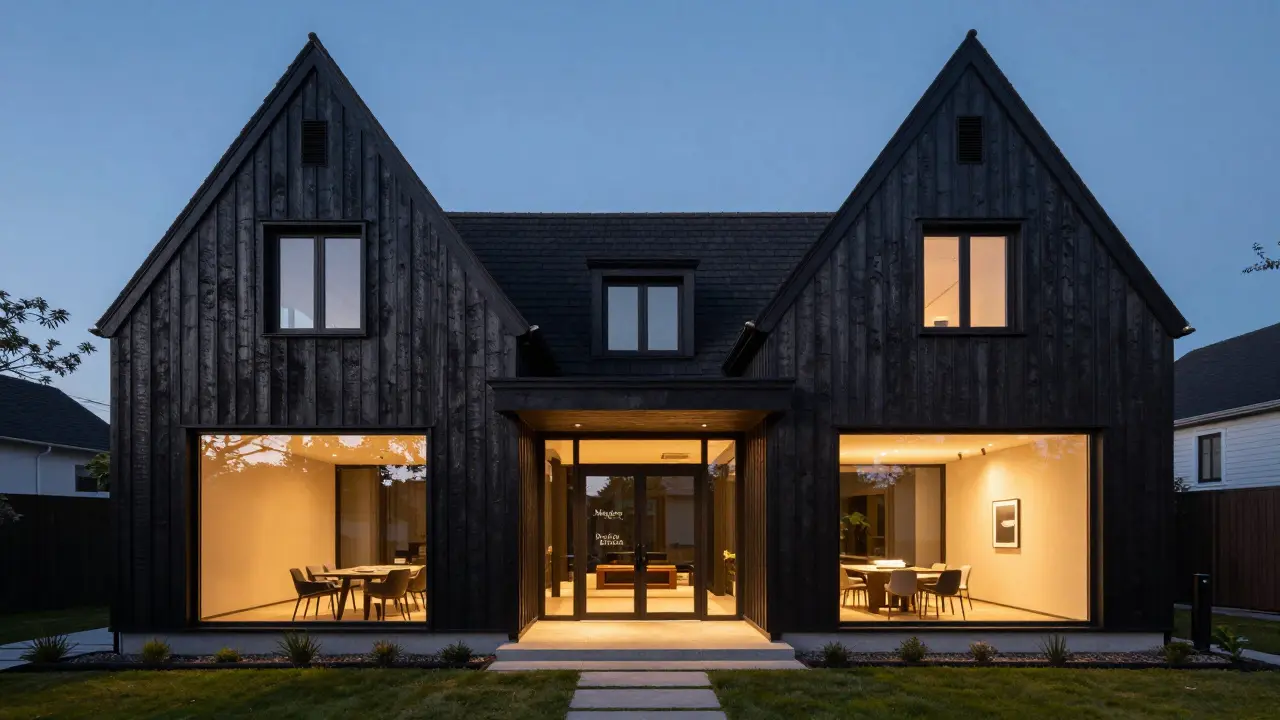
We're seeing a resurgence in "Modern Dutch Colonials," where architects keep the gambrel roof but replace the siding with sustainable materials like charred wood or oversized metal panels. They're taking the efficiency of the roofline and pairing it with floor-to-ceiling glass. It proves that the core appeal of the style-the clever use of space and the cozy silhouette-is timeless.
What is the main difference between a Gambrel roof and a Gable roof?
A gable roof is a simple triangle shape with two sloping sides. A gambrel roof has two slopes on each side; the lower slope is much steeper, while the upper slope is shallower. This design creates significantly more headroom and usable floor space in the attic or upper story, effectively turning a roof into a room.
Are Dutch Colonial homes expensive to maintain?
They can be, mainly due to the roof. Because of the complex angles of a gambrel roof, replacing shingles or fixing leaks can be more expensive than on a simple gable roof. Additionally, older homes often require more insulation in the upper levels to combat temperature swings.
Where are these homes most commonly found?
While they exist across the U.S., you'll find the highest concentration in the Mid-Atlantic region, specifically New York, New Jersey, and Pennsylvania. This is because the style was a revival of the original Dutch settlements in those specific areas.
Can I add a second story to a Dutch Colonial?
Adding a full second story usually means removing the gambrel roof, which destroys the architectural identity of the home. Most owners instead opt to finish the existing upper story or add a dormer extension to increase square footage without changing the roof's iconic silhouette.
How do I know if my house is a "Revival" or an original?
Look at the symmetry and materials. Originals from the 1600s-1700s are rarely perfectly symmetrical and often use local fieldstone. Revivals from the 1900s are typically very balanced, have larger windows, and use standardized lumber or shingles. If it has a large, welcoming front porch, it's almost certainly a Revival.
Next Steps for Homeowners
If you're living in a Dutch Colonial, your first priority should be an energy audit. Because these homes have such unique roof volumes, heat loss is common. Check your attic insulation and see if your windows are properly sealed.
For those looking to buy, pay close attention to the upstairs "knee walls" (the short walls where the roof meets the floor). Measure your furniture before you move in; a standard king-sized bed might not fit comfortably if the roof slope is too aggressive. Finally, if you're renovating, consult a historian or a specialized architect to ensure your changes enhance the home's character rather than erasing it.