Discovering the Hidden Gems of Baroque Architecture: Beyond the Famous Palaces
 Jul, 4 2026
Most people think they know Baroque architecture is a highly ornate and theatrical style of architecture that emerged in the early 17th century in Rome, Italy, characterized by dramatic use of light, bold massing, and elaborate decoration. It dominated Europe from roughly 1600 to 1750. Think Versailles. Think St. Peter’s Basilica. You’ve seen the photos. But if you stop there, you’re missing half the story.
The real magic of Baroque isn’t just in the palaces built for kings; it’s in the churches tucked away in small towns, the civic buildings that blend with local stone traditions, and the colonial adaptations that took this Italian-born style halfway across the world. These are the hidden gems. They don’t always make the postcards, but they tell a richer, more human story about how art, power, and religion intertwined during one of history’s most dynamic periods.
Why Baroque Was More Than Just Decoration
To understand why these lesser-known structures matter, you first have to get past the idea that Baroque was just "excessive." That’s a common misconception. The style was born out of the Counter-Reformation, a period when the Catholic Church needed to reassert its influence after the Protestant Reformation. Art became a tool for emotional engagement. Churches weren’t just places to pray; they were stages for spiritual drama.
This meant architects like Gian Lorenzo Bernini and Francesco Borromini didn’t just design buildings-they designed experiences. They used curved walls, oval domes, and strategic lighting to make visitors feel awe, confusion, or transcendence. When you walk into a true Baroque space, you’re not supposed to stand still and admire it like a painting. You’re supposed to move through it, feeling the shift in perspective as the architecture guides your eye and your emotions.
This psychological approach explains why Baroque spread so quickly. It wasn’t just an aesthetic choice; it was a communicative one. And because it was adaptable, it took on different flavors depending on where it landed. In France, it became rigid and grandiose under Louis XIV. In Spain, it turned inward and intensely emotional. In Central Europe, it exploded into Rococo frivolity. And in the Americas, it mixed with indigenous techniques to create something entirely new.
The Spanish Route: Where Gold Meets Stone
If you want to see Baroque at its most intense, look to Spain. The Spanish Baroque, particularly the Churrigueresque style named after the Churriguera family of architects, is known for its extreme verticality and intricate facade carving. But while Madrid has famous examples, the real treasures are scattered across smaller cities.
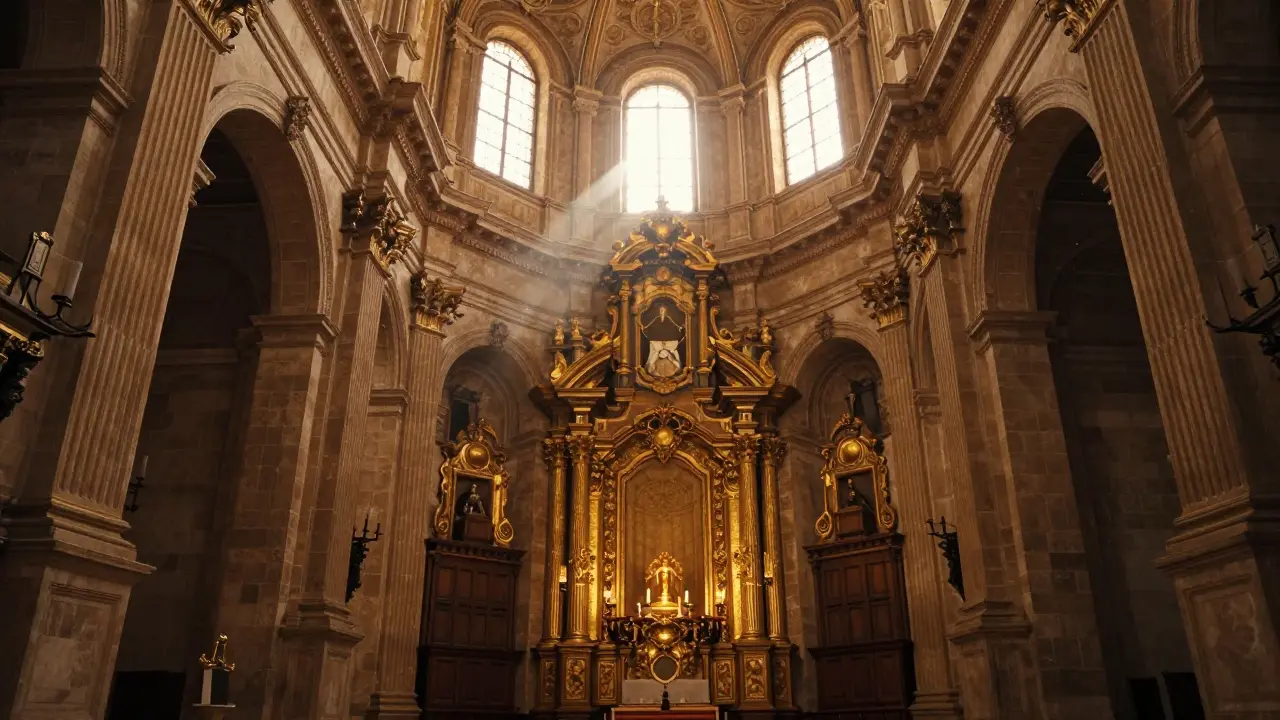
Consider the Church of San Esteban in Salamanca. While the city itself is famous for its university and golden stone, San Esteban offers a quieter, more intimate experience. Its main altar is a masterpiece of woodcarving and gilding, creating a sense of depth that seems impossible given the physical constraints of the church. The way the light hits the gold leaf changes throughout the day, making the building feel alive.
Then there’s the Palacio de los Condes de Benavente in Toro, a town that often gets skipped by tourists heading to Segovia or Valladolid. This palace doesn’t have the sheer scale of the Royal Palace in Madrid, but its courtyard is a perfect example of how Baroque principles were applied to residential spaces. The interplay of columns, arches, and sculpted details creates a rhythm that feels both ordered and playful.
| Region | Key Characteristics | Notable Architect | Hidden Gem Example |
|---|---|---|---|
| Italy (Rome) | Dramatic curves, oval plans, integration of sculpture and painting | Gian Lorenzo Bernini | Sant’Andrea al Quirinale (often overlooked compared to St. Peter’s) |
| Spain | Extreme facade ornamentation (Churrigueresque), heavy use of gold leaf | José Benito de Churriguera | Church of San Esteban, Salamanca |
| Austria/Central Europe | Lighter colors, flowing stucco work, transition to Rococo | Franz Anton Pilgram | Pilgrimage Church of Wies (less crowded than Altötting) |
| Mexico/Latin America | Indigenous motifs mixed with European forms, vibrant colors | Local master craftsmen | Metropolitan Cathedral side chapels, Mexico City |
Central Europe: The Quiet Grandeur of Austria and Germany
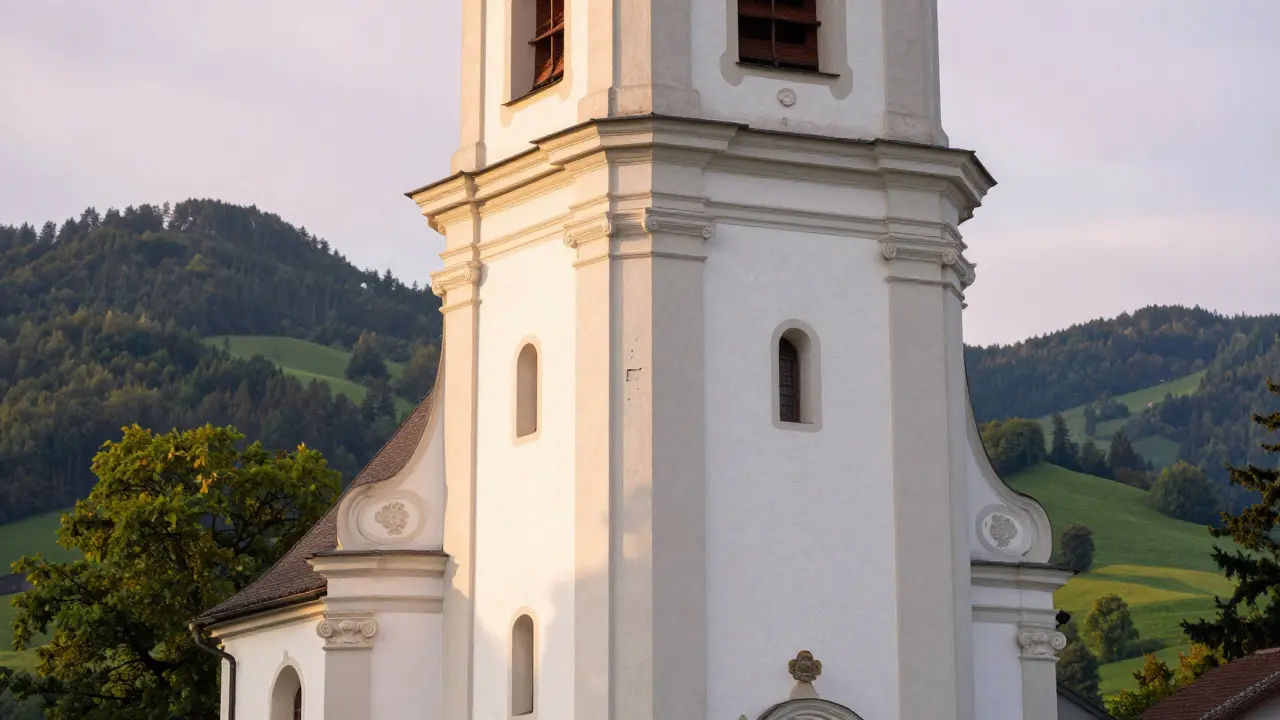
In Central Europe, Baroque architecture took on a slightly different tone. After the Thirty Years' War devastated the region, rebuilding efforts were funded largely by the Catholic aristocracy and monastic orders. This led to a style that was less about political propaganda and more about religious devotion and community identity.
While everyone knows about the Schönbrunn Palace in Vienna, few venture to the Pilgrimage Church of Wies in Bavaria. Yes, it’s a UNESCO site, but it’s far less visited than its neighbors. Designed by Dominikus Zimmermann, the interior is a whirlwind of white stucco, pastel colors, and floral motifs that seem to grow directly from the walls. It’s a perfect example of how Baroque evolved into the Rococo style-lighter, airier, and almost dreamlike.
In Austria, the Augustinian Church in Vienna is another gem. Located right next to the Hofburg Palace, it’s easy to miss if you’re rushing to see the imperial apartments. But inside, you’ll find some of the finest frescoes by Paul Troger, depicting scenes of divine judgment with such vividness that they seem to leap off the ceiling. The contrast between the austere exterior and the explosive interior is classic Baroque strategy: hide the treasure behind a modest door.
The New World: Baroque Goes Local
Perhaps the most fascinating aspect of Baroque architecture is how it traveled. When Spanish missionaries arrived in the Americas, they brought their blueprints, but they also had to adapt to local materials, labor forces, and cultural influences. The result was a hybrid style that is uniquely American.
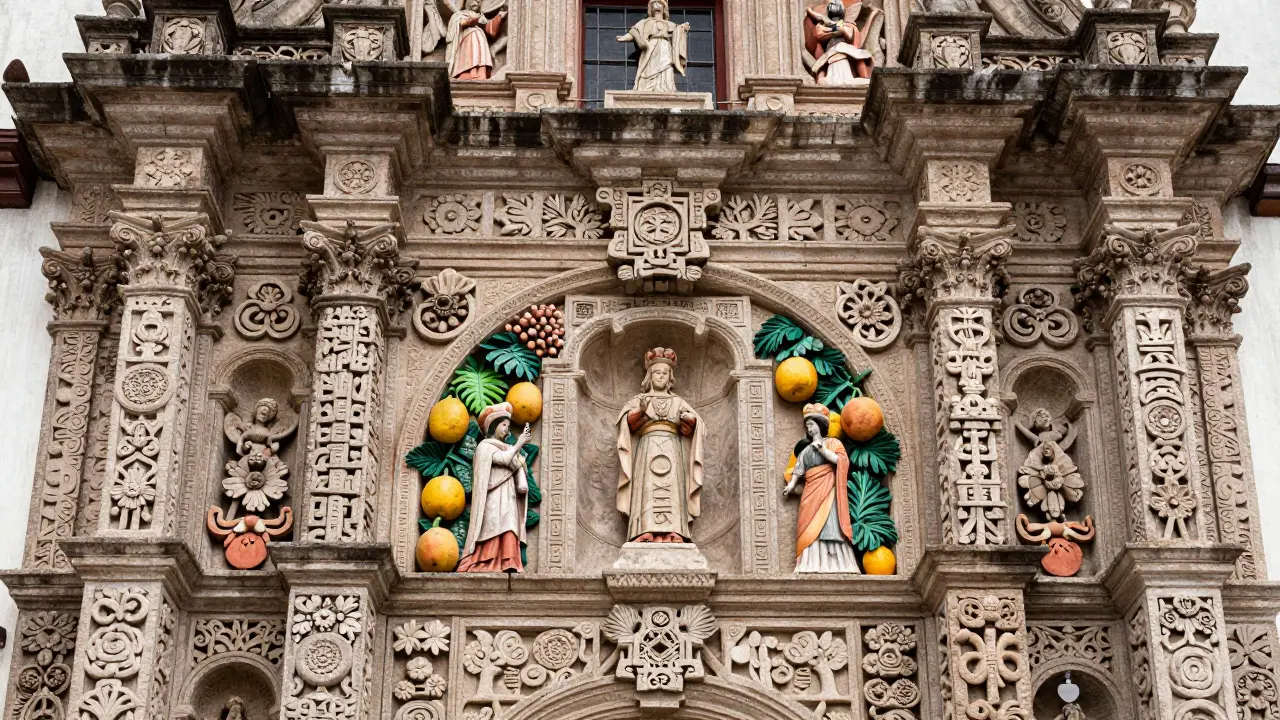
In Mexico City, the Metropolitan Cathedral is well-known, but its side chapels offer a deeper dive. Look closely at the facades of smaller churches like the Church of Santo Domingo in Oaxaca. Here, you’ll see indigenous symbols woven into the Christian iconography. Flowers, fruits, and even pre-Columbian patterns appear alongside saints and angels. This isn’t just decoration; it’s a visual dialogue between two worlds.
In Peru, the San Francisco Monastery in Lima features catacombs that are as haunting as they are historical. The architecture above ground is typical Spanish Baroque, but the underground network tells a story of life, death, and belief in a way that no museum exhibit can replicate. Walking through those tunnels, surrounded by centuries-old bones, gives you a visceral connection to the past that modern renovations often erase.
How to Spot a Hidden Gem
Finding these lesser-known Baroque sites requires a bit of detective work. Here are a few tips:
- Look beyond the capital cities. Many regional capitals and historic towns have preserved Baroque structures better than major metropolises, which often underwent modernization in the 19th and 20th centuries.
- Check local guidebooks. National tourism boards often focus on the big names. Local authors are more likely to highlight neighborhood churches, monasteries, and mansions.
- Visit during off-peak hours. Even popular sites can feel like hidden gems if you arrive early in the morning or late in the afternoon. The light will be better for photography, and you’ll have space to appreciate the details without crowds.
- Ask locals. Residents often take pride in their town’s heritage. A simple question like "What’s the oldest building here?" can lead you to unexpected discoveries.
Preservation Challenges and Why They Matter
One reason many Baroque gems remain hidden is lack of funding for preservation. Unlike national monuments, smaller churches and private residences often rely on local donations or volunteer efforts to maintain their facades and interiors. Climate change poses additional threats, with increased humidity and temperature fluctuations damaging delicate stucco and paintwork.
Supporting preservation doesn’t require large sums of money. Visiting these sites, buying tickets, and purchasing local crafts helps sustain the communities that care for them. Additionally, advocating for stricter heritage protection laws can ensure that future generations can experience the same wonder we do today.
Baroque architecture is not just about looking back at a glamorous past. It’s about understanding how humans have always sought to express their beliefs, fears, and hopes through space and form. By seeking out the hidden gems, we gain a more nuanced appreciation of this enduring legacy.
What makes Baroque architecture different from Renaissance architecture?
Renaissance architecture emphasizes symmetry, proportion, and geometric clarity, reflecting classical ideals of order. Baroque architecture, by contrast, uses dynamic shapes, curved lines, and dramatic contrasts of light and shadow to create movement and emotional intensity. While Renaissance buildings feel static and balanced, Baroque buildings feel alive and theatrical.
Who were the key architects of the Baroque period?
Some of the most influential Baroque architects include Gian Lorenzo Bernini and Francesco Borromini in Italy, Juan de Villanueva in Spain, and Johann Bernhard Fischer von Erlach in Austria. Each contributed unique innovations: Bernini mastered the integration of sculpture and architecture, Borromini experimented with complex geometries, and Fischer von Erlach blended Baroque with classical elements.
Is Baroque architecture still relevant today?
Yes, Baroque principles continue to influence contemporary design, particularly in theater, cinema, and event spaces where atmosphere and emotion are paramount. Modern architects sometimes draw inspiration from Baroque’s use of light and spatial dynamics to create immersive environments. Additionally, the preservation of Baroque sites supports cultural tourism and educational programs worldwide.
Where can I find affordable Baroque tours?
Many cities offer free walking tours that cover historic districts, including Baroque landmarks. Apps like TripAdvisor and GetYourGuide allow you to filter tours by price and rating. For a more personalized experience, consider joining local history clubs or university-led excursions, which often provide expert insights at low cost.
How did Baroque architecture spread to Latin America?
Spanish and Portuguese colonizers brought Baroque designs to Latin America in the 16th and 17th centuries. Missionaries established churches and missions that served as centers of conversion and education. Local artisans adapted European techniques using native materials and incorporating indigenous artistic traditions, resulting in distinctive regional styles like Mexican Ultra-Baroque and Peruvian Andean Baroque.