Bauhaus Style Guide: Mastering the Art of Simplicity in Design
 Apr, 13 2026
The Core Principles of Bauhaus Design
At its center, the Bauhaus philosophy is summed up by the phrase "form follows function." This means the shape of a building or a piece of furniture should be primarily based on its intended purpose. If a chair is meant for sitting, every curve and angle should support that act of sitting, rather than looking like a throne from the 18th century. Bauhaus style is a modernist design school that merged fine arts with craft and industrial technology. It focused on geometric purity and the removal of unnecessary ornament, favoring a rational approach to aesthetics.
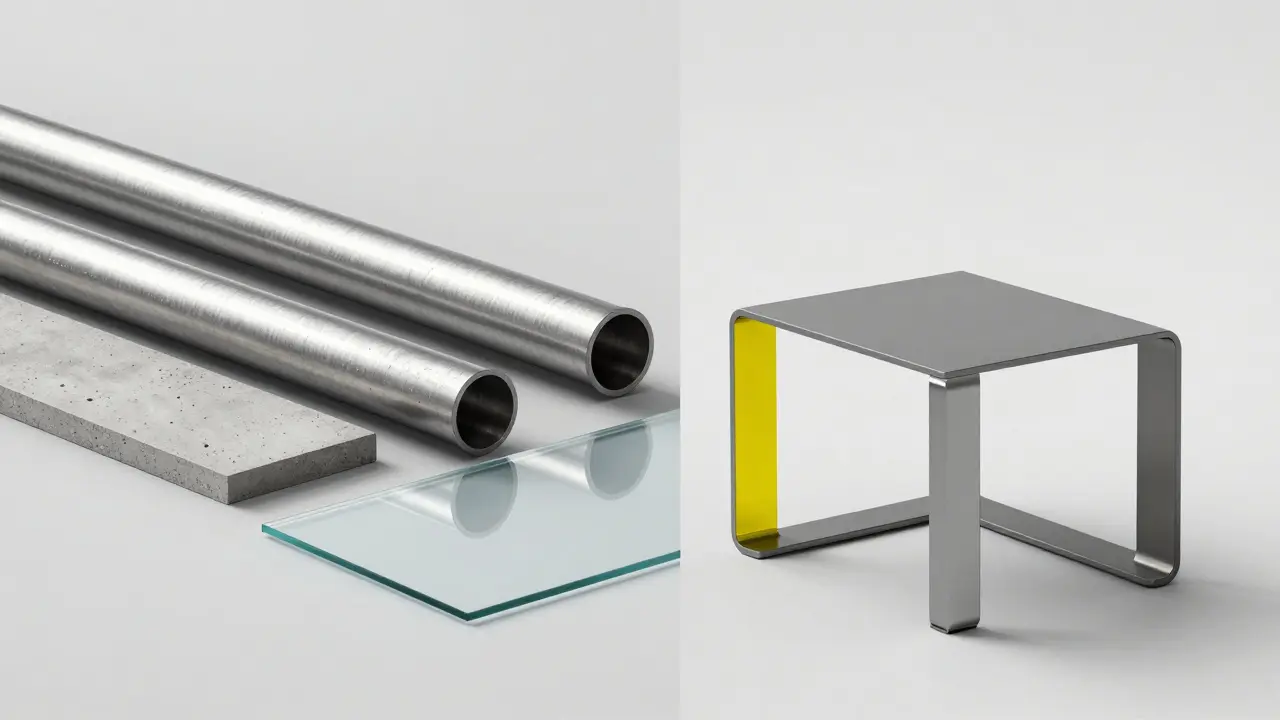
To really get the Bauhaus look, you have to embrace a few key rules. First, there's a love for basic geometric shapes-circles, squares, and triangles. Second, the materials are honest. If a table is made of steel, the design doesn't try to hide the steel under paint or wood veneer. It celebrates the industrial nature of the material. This honesty creates a sense of transparency and trust between the object and the person using it.
The People Who Changed the Game
You can't talk about this movement without mentioning the man who started it all. Walter Gropius is the architect who founded the school in Weimar, Germany, in 1919. He didn't want artists to be isolated in studios; he wanted them working side-by-side with weavers, carpenters, and metalworkers. He believed that the gap between the "fine artist" and the "craftsman" was a mistake that needed to be fixed.
Then there was Ludwig Mies van der Rohe, whose mantra "less is more" basically became the blueprint for modern minimalism. He pushed the boundaries of how much space you could open up using steel and glass. His designs weren't about filling a room, but about creating the perfect void where light and air could move freely.
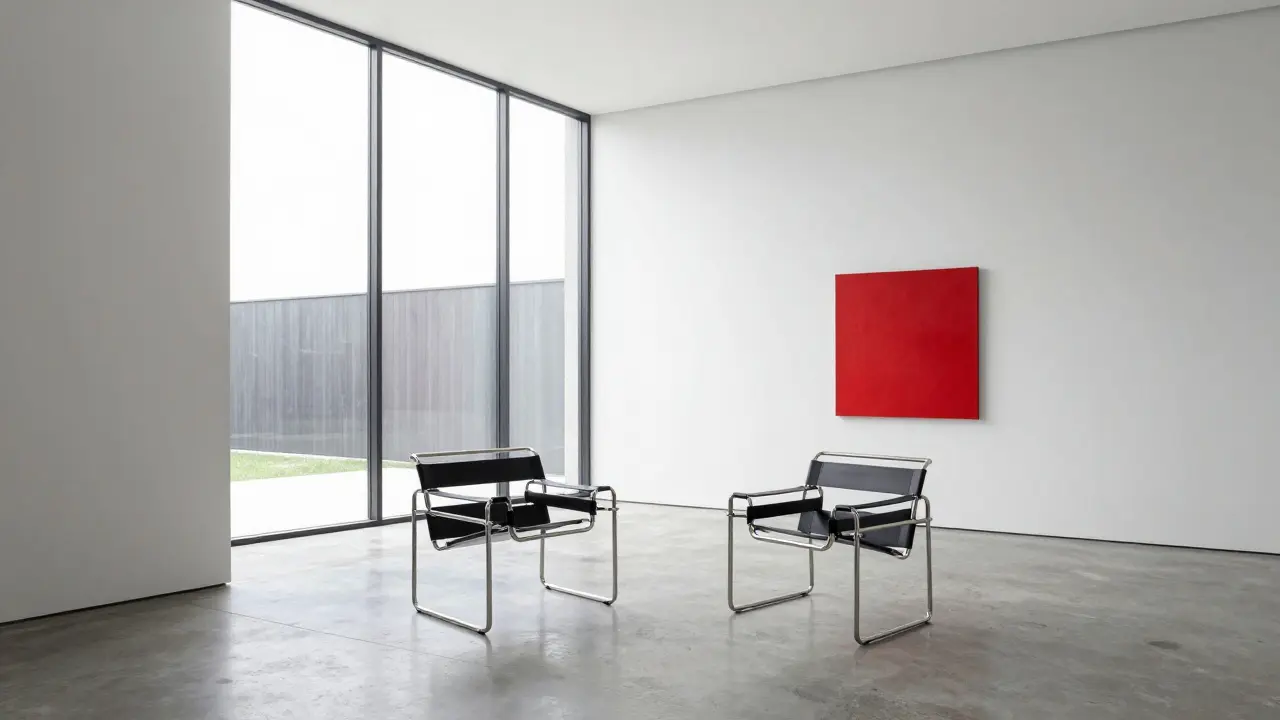
We also have to credit Marcel Breuer. He looked at the curved steel tubing of a bicycle and wondered why that same material couldn't be used for a chair. This led to the creation of the Wassily Chair, which stripped the traditional armchair down to its skeletal essence. It was a shock to the system at the time, but it's now a staple in high-end galleries and modern offices.
Bringing Bauhaus into Your Home Today
You don't need to live in a concrete cube to apply bauhaus style to your life. The easiest way to start is by auditing your space. Ask yourself: "Does this object serve a purpose, or is it just taking up room?" Minimalism isn't about living in an empty white box; it's about keeping only what adds value. When picking furniture, look for pieces with clean, straight lines and a lack of decorative frills. Think of a simple metal-framed shelving unit or a leather lounge chair with a tubular steel base. Use a neutral color palette-whites, grays, and blacks-but pop in a few primary colors. The Bauhaus crowd loved red, yellow, and blue as bold accents to break up the industrial feel.
| Attribute | Traditional Design | Bauhaus Design |
|---|---|---|
| Focus | Ornamentation and Status | Function and Utility |
| Materials | Rare woods, Velvet, Gold | Steel, Glass, Concrete, Plywood |
| Shapes | Curvilinear, Ornate | Geometric, Linear |
| Production | Hand-crafted for Elite | Industrial mass-production |
The Shift Toward Industrialism and Mass Production
One of the most radical things about the Bauhaus was its embrace of the machine. Before this, "art" was seen as something created by a lone genius in a room. The Bauhaus designers argued that machines could be used to create high-quality design for the masses. They wanted to make beautiful, functional objects affordable for the average worker, not just the wealthy elite.
This shift is why Functionalism became such a powerhouse concept. By designing for the assembly line, they forced themselves to simplify. You can't mass-produce a hand-carved mahogany armoire easily, but you can mass-produce a steel-framed table. This democratic approach to design shifted the focus from "luxury" to "livability." If a design was too complex to be manufactured efficiently, it was considered a failure of logic.
The Legacy: From Architecture to Digital UX
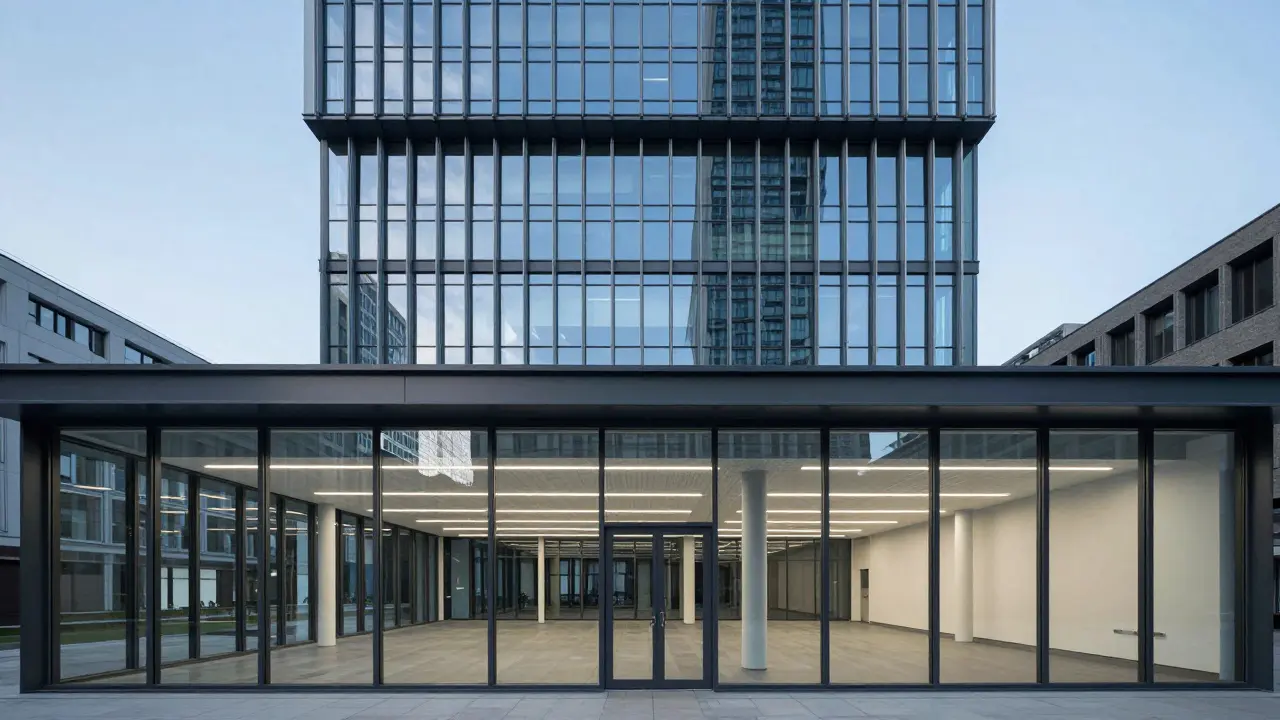
If you look at a modern city, you're basically seeing a giant Bauhaus exhibit. The glass curtains of skyscrapers and the open-concept floor plans of modern apartments all stem from the experiments done in the 1920s. The movement's influence on Modernist Architecture ensured that efficiency and light would always be prioritized over decorative facades.
But the influence didn't stop at bricks and mortar. It moved into the digital world. The core principles of Minimalism in user interface (UI) design are directly linked to Bauhaus. When a website removes cluttered sidebars and uses a clean, grid-based layout with a clear hierarchy of information, it's applying the Bauhaus rule of removing the unnecessary to highlight the essential. The goal is to make the user's journey as frictionless as possible, which is just another way of saying "form follows function."
Common Pitfalls When Adopting the Style
The biggest mistake people make when trying to achieve a Bauhaus look is making their home feel like a sterile hospital. Simplicity doesn't mean a lack of warmth. To avoid the "cold" feeling, balance your industrial materials with texture. A steel chair looks better when paired with a soft wool rug or a large leafy plant. Another common error is overdoing the primary colors. While red, yellow, and blue are iconic to the movement, using them in every room can make your house look like a preschool. Use them sparingly-maybe one bold yellow armchair or a single red piece of art on a white wall. The contrast is what creates the impact, not the quantity.
Is Bauhaus the same as Minimalism?
Not exactly, but they are closely related. Bauhaus is a specific school and movement from early 20th-century Germany that focused on the union of art, craft, and industry. Minimalism is a broader aesthetic and lifestyle trend that emerged later. While minimalism focuses on "less is more," Bauhaus focuses specifically on how "less" serves the "function" of the object.
What are the most iconic Bauhaus materials?
The movement championed industrial materials that were easy to mass-produce and durable. This includes tubular steel, reinforced concrete, glass, and plywood. They avoided hiding these materials, preferring the raw, honest look of the substance itself.
How can I tell if a building is Bauhaus style?
Look for a flat roof, a lack of decorative trim (like cornices or molding), and large windows or "glass curtains" that allow natural light to flood the interior. The building will likely have a geometric, cubic shape and a white or gray exterior finish.
Why was the Bauhaus school closed?
The school was shut down by the Nazi regime in 1933. The Nazis viewed the modernist, international style of the Bauhaus as "degenerate art" and too closely linked to socialist and liberal ideologies. Ironically, this closure helped spread the style globally, as the teachers and students fled to other countries, including the US.
Does Bauhaus only apply to architecture?
No, it was a total work of art (Gesamtkunstwerk). It covered everything from typography and weaving to furniture, pottery, and lighting. The goal was to bring a unified design language to every aspect of human life, from the smallest spoon to the largest city plan.
Next Steps for Your Design Journey
If you're feeling inspired, start small. You don't need to renovate your whole house. Try clearing your desk of everything except the tools you actually use. Rearrange your living room to prioritize the flow of movement rather than the placement of furniture against walls. For those interested in a deeper dive, look into the works of the New Bauhaus in Chicago or study the grid systems used in modern Swiss graphic design. You'll see that the principles of simplicity, logic, and function are still the most powerful tools any designer has, regardless of whether they're working with concrete or pixels.