5 Ways Sustainable Architecture is Changing the World: From Green Materials to Urban Resilience
 Jun, 1 2026
Walk down any major street in Melbourne today, and you’ll notice a shift. It’s not just the coffee shops or the tram lines; it’s the buildings themselves. They’re breathing. Literally. Facades are covered in living plants, roofs double as community gardens, and windows are positioned with surgical precision to catch the morning sun while blocking the harsh afternoon heat. This isn’t a futuristic dream from a sci-fi movie. This is sustainable architecture, and it is actively rewriting the rules of how we live, work, and interact with our environment.
For decades, the construction industry was the biggest polluter on the planet, responsible for nearly 40% of global carbon emissions. But that narrative is changing. Architects and engineers are no longer just designing boxes to keep rain out. They are designing systems that give back more than they take. If you think this is just about slapping some solar panels on a roof, you’re missing the bigger picture. The revolution is deeper, smarter, and already here.
1. Turning Buildings into Carbon Sinks
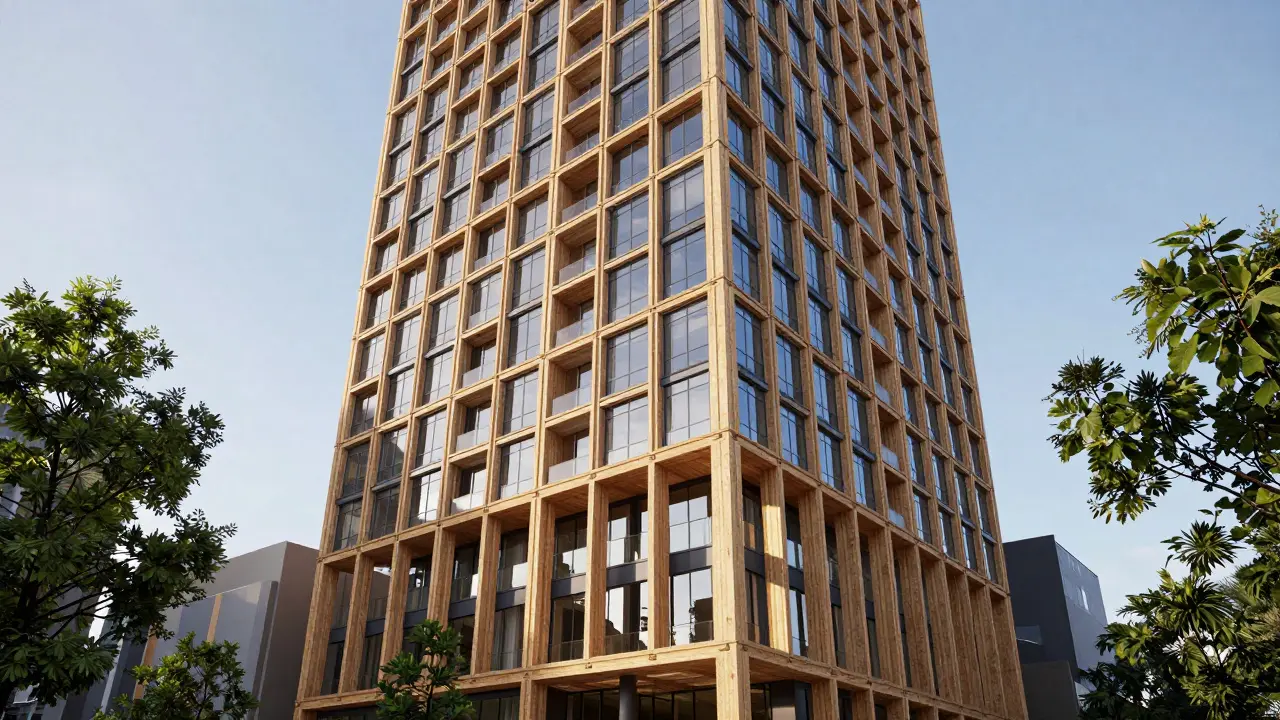
The most radical change in sustainable architecture is the shift from "less bad" to "actually good." Traditional concrete and steel production is incredibly carbon-intensive. Making one ton of cement releases roughly 0.9 tons of CO2. That’s massive. So, what’s the alternative? We are seeing a surge in mass timber construction and bio-based materials.
Cross-Laminated Timber (CLT) is a engineered wood product made by gluing layers of solid-sawn lumber together at right angles. Unlike traditional wood framing, CLT is strong enough to support high-rise buildings. When trees grow, they absorb carbon dioxide. When you build with them, that carbon stays locked inside the structure for decades. A recent study in *Nature Sustainability* highlighted that replacing concrete with timber in mid-rise buildings could reduce embodied carbon by up to 75%.
We are also seeing the rise of hempcrete, a mixture of hemp hurds and lime. It’s lightweight, fire-resistant, and breathable. More importantly, hemp grows rapidly and sequesters carbon during its lifecycle. Imagine a skyscraper in Vancouver or a townhouse in Melbourne that doesn’t just have a neutral footprint but actually pulls carbon out of the atmosphere. That is the new baseline for ambitious architects.
2. The Rise of Net-Zero and Energy-Positive Homes
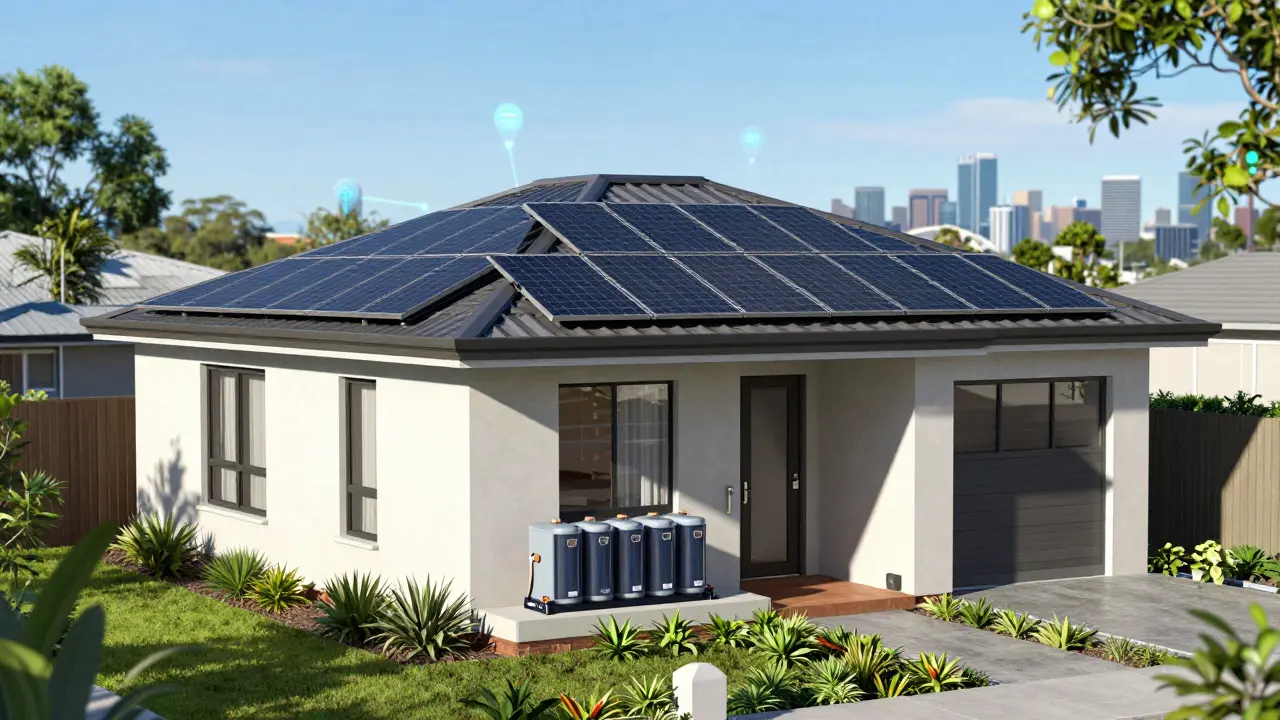
Energy efficiency used to mean thicker insulation and double-glazed windows. Today, it means generating more power than you consume. This is the concept of Net-Zero Energy Buildings are structures that produce as much renewable energy on-site as they consume over a year.
How does this work in practice? It starts with passive design. In Melbourne, where winters are cool and summers can be hot, architects orient buildings to maximize south-facing light in winter and use deep eaves to shade those same windows in summer. Then comes the technology. Solar photovoltaic (PV) cells are becoming cheaper and more efficient every year. Combined with home battery storage, like the Tesla Powerwall or local Australian alternatives, houses can store excess energy generated during the day for use at night.
But the real game-changer is smart grid integration. These homes don’t just sit there; they talk to the electricity network. When the sun is shining brightly across Victoria, your house might feed excess power back into the grid, helping stabilize it. When demand spikes, it draws from its own battery. This decentralizes energy production, making communities less reliant on fossil fuel power plants. It turns every homeowner into a mini-power plant.
3. Water Independence Through Closed-Loop Systems
In a world facing increasing water scarcity, especially in regions like Australia and California, sustainable architecture is rethinking water management. We are moving away from the linear model-take water, use it, flush it away-to a circular one.
Rainwater harvesting is nothing new, but modern systems are far more sophisticated. They capture runoff from roofs and permeable pavements, filtering it for non-potable uses like toilet flushing, laundry, and irrigation. Greywater recycling systems treat wastewater from sinks and showers, allowing it to be reused within the building. Some advanced projects even incorporate blackwater treatment, using constructed wetlands or membrane bioreactors to clean sewage to a level safe for landscape irrigation.
Consider the Bullitt Center in Seattle. Often called the "greenest commercial building in the world," it captures all its rainwater, filters it through a series of tanks and membranes, and provides drinking water without connecting to the city’s municipal supply. While replicating this at scale is challenging, the principles are being adapted for residential complexes. By reducing strain on municipal water supplies, these buildings help cities cope with droughts and aging infrastructure.
4. Biophilic Design for Human Wellbeing
Sustainability isn’t just about the planet; it’s about people. Biophilic Design is an approach that connects occupants more closely to nature through direct and indirect elements. Research consistently shows that access to natural light, fresh air, and greenery reduces stress, improves cognitive function, and boosts productivity.
This goes beyond potted plants in the lobby. True biophilic design integrates nature into the fabric of the building. Think of vertical forests, like Bosco Verticale in Milan, where thousands of trees and shrubs cover the facades of residential towers. These plants filter dust and pollutants, lower ambient temperatures, and provide habitat for birds and insects.
Inside, designers use natural materials like wood, stone, and clay, which have a calming effect compared to synthetic plastics. They maximize views of the outdoors and ensure that every workspace has access to daylight. In office buildings, this translates to fewer sick days and higher employee satisfaction. In schools, students perform better academically. In hospitals, patients recover faster. The ROI (Return on Investment) for biophilic design is measurable in human health outcomes, not just energy savings.
5. Adaptive Reuse and the Circular Economy
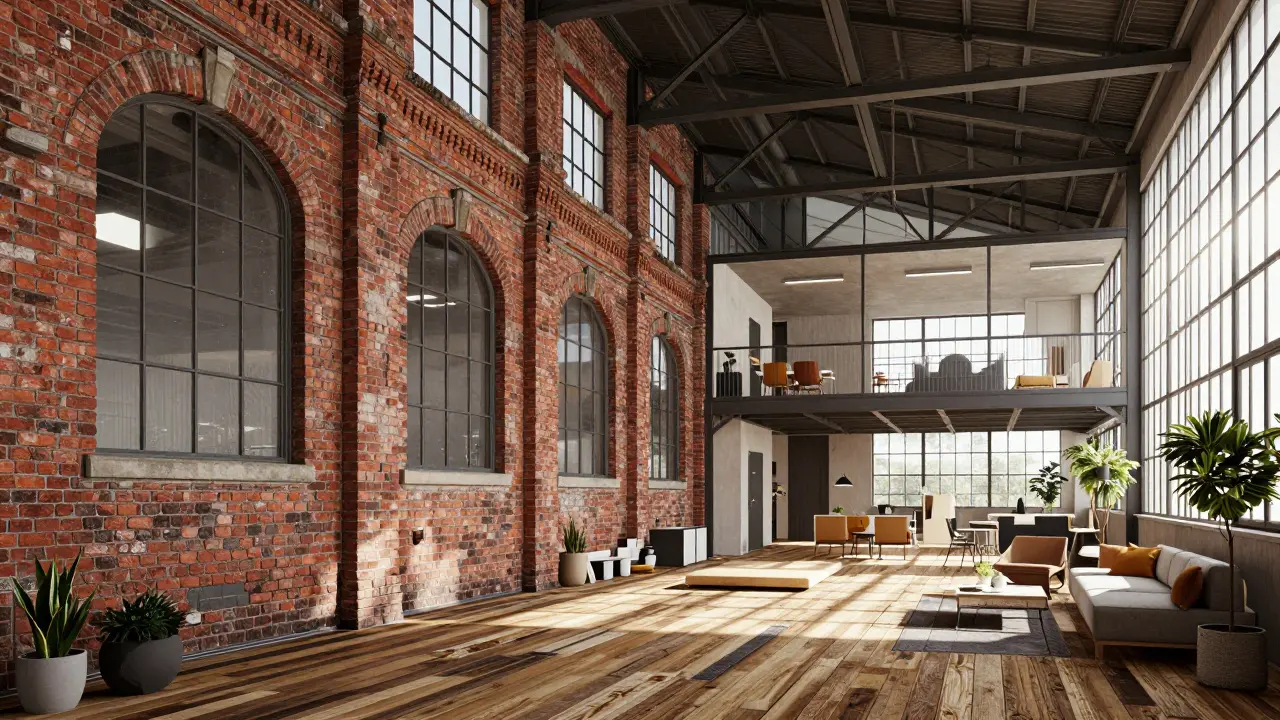
The greenest building is the one that already exists. Demolition creates massive amounts of waste and releases stored carbon. Sustainable architecture is increasingly focused on adaptive reuse-repurposing old structures for new functions instead of tearing them down.
An old factory in Melbourne’s warehouse district might become loft apartments. A disused railway station could transform into a community center or market hall. This preserves the cultural heritage of a place while avoiding the carbon cost of new construction. It also encourages a circular economy mindset, where materials are valued and retained rather than discarded.
Architects are now auditing existing buildings to identify salvageable materials. Steel beams, brickwork, and even fixtures can be dismantled and reused in other projects. Companies are emerging specifically to facilitate this material exchange, creating databases of available reclaimed resources. This shifts the industry from a "take-make-waste" model to a "reduce-reuse-recycle" loop, significantly cutting down on landfill waste and the demand for virgin raw materials.
| Aspect | Traditional Approach | Sustainable Approach |
|---|---|---|
| Materials | Concrete, steel, vinyl | Mass timber, hempcrete, recycled steel |
| Energy Source | Grid-dependent (fossil fuels) | On-site renewables (solar, wind) + storage |
| Water Management | Municipal supply, sewer discharge | Rainwater harvesting, greywater recycling |
| Design Focus | Aesthetics, cost minimization | Human wellbeing, environmental impact |
| End of Life | Demolition, landfill | Adaptive reuse, material recovery |
Challenges and the Path Forward
It’s not all smooth sailing. Sustainable architecture often comes with higher upfront costs. Mass timber requires specialized labor and certification. Smart home technology needs installation and maintenance. And convincing developers to invest in long-term savings rather than short-term profits remains a hurdle.
However, the gap is closing. As regulations tighten-like the National Construction Code updates in Australia requiring higher energy standards-the cost of compliance makes sustainable features mandatory, not optional. Insurance companies are starting to offer lower premiums for resilient, green buildings. And consumers are demanding healthier, more efficient spaces.
The transition requires collaboration. Architects, engineers, policymakers, and homeowners must work together. We need incentives for retrofitting older buildings, subsidies for renewable energy installations, and education programs to train the next generation of builders in these new techniques.
But the momentum is undeniable. From the timber high-rises rising in Canada to the passive-house standards dominating European new builds, sustainable architecture is no longer a niche interest. It is the future of our built environment. And that future is greener, cleaner, and more humane.
What is the most impactful aspect of sustainable architecture?
While all aspects are important, reducing embodied carbon through material choices (like mass timber) and operational carbon through energy efficiency has the highest immediate impact. These two factors address the largest sources of greenhouse gas emissions from the building sector.
Is sustainable architecture more expensive?
Upfront costs can be 5-10% higher due to specialized materials and technology. However, lifecycle costs are significantly lower due to reduced energy bills, water usage, and maintenance. Over 10-20 years, sustainable buildings typically save owners substantial amounts of money.
Can I make my existing home more sustainable?
Absolutely. Retrofitting is key. Start with improving insulation, upgrading to LED lighting, installing smart thermostats, and adding solar panels. Simple changes like planting native vegetation for shade and using low-flow fixtures also make a big difference.
What is biophilic design?
Biophilic design incorporates natural elements into the built environment to improve human wellbeing. This includes maximizing natural light, using natural materials, incorporating indoor plants, and providing views of nature. It reduces stress and enhances productivity.
How does adaptive reuse help sustainability?
Adaptive reuse repurposes existing buildings instead of demolishing them. This saves the embodied carbon in the original structure, reduces construction waste, and preserves cultural heritage. It is often more environmentally friendly than building new.