Romantic Rococo: The Playful, Pastel World of 18th-Century Art and Architecture
When you think of Romantic Rococo, a lavish, intimate art style from 18th-century Europe that replaced heavy Baroque drama with lightness, curves, and playful detail. Also known as Rococo, it wasn’t just decoration—it was a whole new way to feel space, emotion, and beauty. Forget marble thrones and dark cathedrals. Romantic Rococo was about softness: pastel walls, gilded mirrors, flowers curling up staircases, and lovers hidden in painted groves. It turned palaces into private dreamlands, where every corner whispered romance instead of shouting power.
This style didn’t just live in paintings—it shaped rooms, furniture, even entire buildings. Rococo architecture, a style defined by asymmetrical curves, ornate stucco, and delicate floral motifs that made interiors feel like wrapped gifts showed up in French salons, German chapels, and Russian country houses. It wasn’t built for crowds or ceremonies. It was made for quiet conversations, candlelit tea, and stolen glances. And it didn’t stop at walls. Rococo painting, a genre full of floating cherubs, silk dresses, and dreamy landscapes that turned everyday moments into poetry captured the mood of a generation tired of solemn religion and rigid rules. Artists like Fragonard and Watteau didn’t paint saints—they painted people falling in love, laughing in gardens, and pretending to be shepherds in silk.
What makes Romantic Rococo still matter today? It reminds us that beauty doesn’t need to be loud to be powerful. You see its echo in modern interiors with curved sofas, blush walls, and gold accents. It lives in the way we design cozy cafes, boutique hotels, and even wedding invitations. It’s the opposite of minimalism—not because it’s cluttered, but because it’s full of feeling. This isn’t about showing off wealth. It’s about making a space feel alive, tender, and human.
Below, you’ll find a collection of posts that dig into how Romantic Rococo shaped art, how it mixed with architecture, and why its charm still catches our eye. From the hidden details in French châteaux to the brushstrokes that made hearts skip a beat—these stories aren’t just history. They’re design lessons wrapped in silk and sunlight.
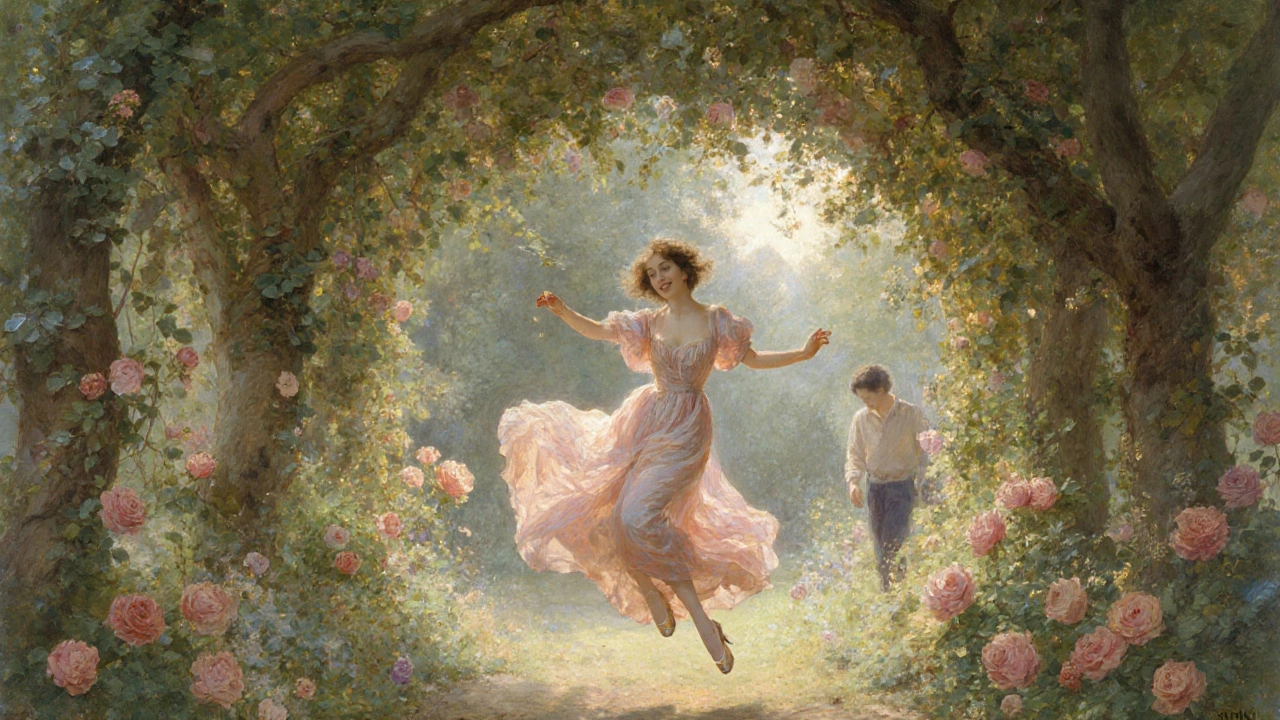
The Delicate Balance of Nature and Romance in Rococo Art
Rococo art blends nature and romance with delicate curves, pastel colors, and intimate scenes. Discover how 18th-century artists turned gardens into emotional landscapes and why this style still resonates today.
Read more