Palazzo Design: How Grand Italian Mansions Shaped Modern Architecture
When you think of palazzo design, a type of grand urban residence originating in Renaissance Italy, often serving as both home and symbol of power. Also known as Italian palace architecture, it combines imposing facades, central courtyards, and strict symmetry to project authority while remaining deeply livable. These weren’t just fancy houses—they were city-scale statements. A palazzo told everyone who passed by: this family controlled trade, politics, and culture. And that idea didn’t fade. It got built into the bones of modern cities.
Look at any major European or American downtown from the 1800s onward, and you’ll see palazzo design quietly showing up. Banks, museums, government buildings—they all borrowed the weight, the rhythm, the stacked windows of a Florentine palazzo. The Renaissance architecture, a style born in 15th-century Italy that revived classical rules of proportion, order, and harmony gave palazzos their structure. Think of Filippo Brunelleschi’s work: clean lines, balanced windows, columns that didn’t just decorate but held things up. That’s the DNA behind today’s corporate headquarters and luxury condos. Even the way a building faces the street, with a formal entrance and layered levels, comes straight from the Italian palazzos, urban residences built by wealthy families in cities like Venice, Rome, and Milan, often with ground-floor shops and private family quarters above.
What makes palazzo design still useful today isn’t just the look—it’s the logic. These buildings were designed for real life: thick walls for insulation, inner courtyards for air and light, public ground floors for commerce, private upper floors for family. That’s the same thinking behind modern mixed-use towers. You don’t need a marble facade to use the same principles. A 2020s apartment block with a retail level, a central atrium, and carefully spaced windows? That’s a palazzo in disguise.
And it’s not just about Europe. When New York built its first grand banks and hotels in the late 1800s, they didn’t look to Gothic cathedrals or Victorian cottages—they copied the Palazzo Medici. Chicago’s early skyscrapers? They used the palazzo’s vertical stacking—base, middle, crown—just like the Palazzo Farnese. Even today, architects working on luxury developments in Dubai or Shanghai reference the palazzo’s sense of permanence and hierarchy. It’s not nostalgia. It’s proven design.
What you’ll find in this collection isn’t just history. It’s a toolkit. You’ll see how palazzo design connects to Renaissance architecture’s obsession with proportion, how its influence shows up in Gothic Revival buildings, and why modern architects still turn to these Italian models when they want a building to feel both powerful and human. Whether you’re drawn to the symmetry of a 15th-century courtyard or the way a grand entrance makes you pause before walking in—this is where those feelings come from.
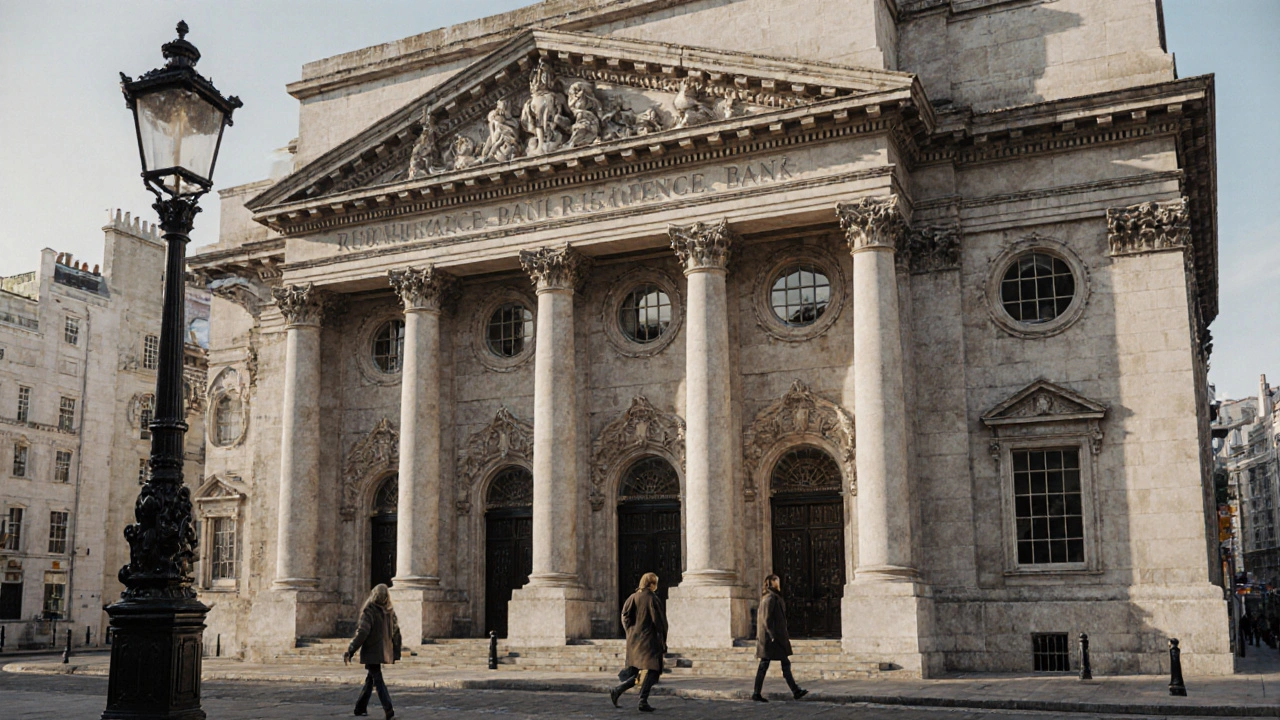
Exploring the Grandeur of Renaissance Revival Architecture
Renaissance Revival architecture brought classical symmetry, arched windows, and palazzo-style grandeur to 19th-century buildings worldwide. Discover its key features, global examples, and why it still shapes our cities today.
Read more