Nature in Rococo: How Organic Forms Shaped 18th-Century Art and Architecture
When you think of nature in Rococo, the way natural forms like shells, vines, and flowers were twisted into decorative art and architecture during the 18th century. Also known as Rocaille style, it didn’t just imitate nature—it celebrated its messiness, its curves, its quiet chaos. Unlike the heavy symmetry of Baroque, Rococo didn’t want to dominate space. It wanted to caress it. Think of gilded mirrors framed by twisting acanthus leaves, ceilings painted with floating cherubs surrounded by clouds that look like whipped cream, and walls covered in stucco that mimics coral or fern fronds. This wasn’t just ornament. It was a rebellion against rigidity.
Rococo art, a movement that replaced grandeur with intimacy, drama with delight. Also known as late Baroque, it thrived in private salons and boudoirs, not cathedrals or palaces of power. Artists like François Boucher and Jean-Honoré Fragonard painted nymphs lounging in forest glades, their robes tangled in vines, as if nature itself was their companion. The same energy flowed into Rococo architecture, where interiors became immersive environments of soft curves and natural motifs. Also known as French interior style, it turned rooms into gardens without walls—ceilings dripped with floral garlands, doorways melted into scrollwork, and fireplaces were crowned with seashells and mossy tendrils. You didn’t just walk into a Rococo room—you stepped into a dream where nature had been gently sculpted by hand. This wasn’t about realism. It was about fantasy made real. Every curl of stucco, every painted leaf, was meant to feel alive. Even the furniture bent like branches—chairs with arms shaped like vines, tables with legs like twisted roots. It was decoration as poetry, and it was everywhere in France, Austria, and southern Germany before the revolution turned tastes toward order again.
What you’ll find in the posts below is a curated look at how this love for nature shaped not just paintings and interiors, but entire ways of seeing the world. From the delicate porcelain figurines of Madame de Pompadour’s salon to the hidden grottos in palace gardens, nature in Rococo wasn’t background—it was the main character. You’ll see how artists and builders turned moss into marble, water into gilding, and wind into motion carved in wood. No grand battles here. No gods on thunderclouds. Just the quiet, joyful whisper of leaves, shells, and petals made permanent.
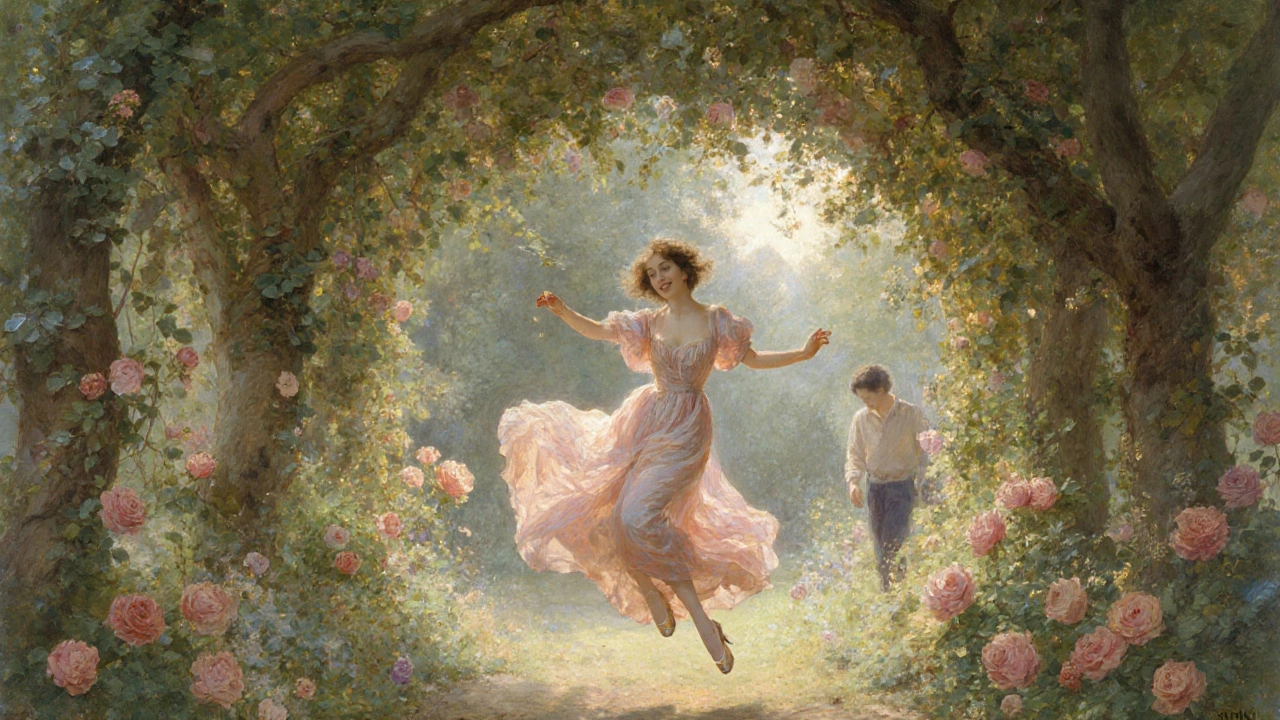
The Delicate Balance of Nature and Romance in Rococo Art
Rococo art blends nature and romance with delicate curves, pastel colors, and intimate scenes. Discover how 18th-century artists turned gardens into emotional landscapes and why this style still resonates today.
Read more