Italianate Style: What It Is, Where It Shows Up, and Why It Still Matters
When you see a building with tall windows, a low-pitched roof, and a tower or cupola rising above it, you’re likely looking at Italianate style, a 19th-century architectural movement inspired by Italian villas and Renaissance farmhouses. Also known as Italian Villa style, it turned ordinary homes into something out of a countryside painting—without ever leaving the city. Unlike the rigid symmetry of Greek Revival or the dark grandeur of Gothic, Italianate was playful, romantic, and deeply personal. It didn’t just build houses—it built dreams of a sunlit Italy, even in foggy London or snowy Boston.
This style didn’t come from a single architect. It spread through pattern books, magazines, and the growing middle class who wanted to look cultured without hiring a sculptor. Key features? Tuscan villas, the original inspiration—low, sprawling, with terracotta roofs and shaded loggias were simplified into urban townhouses. You’ll spot ornamental detailing, like carved brackets under eaves, arched windows, and wrought-iron balconies—details that made each house feel unique. The towers? Not just for show. They gave homeowners a view, a status symbol, and a place to escape the noise below.
It’s easy to confuse Italianate with Victorian, but they’re not the same. Victorian is the umbrella term for all 19th-century styles—Italianate is one flavor under it. Think of it like coffee: Victorian is the whole menu, Italianate is your favorite latte with a cinnamon swirl. You’ll find it in the Northeast U.S., especially in cities like Philadelphia and Cincinnati, where wealthy merchants built summer homes that looked like they belonged in Tuscany. Even today, you’ll see modern homes borrowing its windows, brackets, and towers—not as a copy, but as a nod to charm that never went out of style.
What’s surprising? Italianate didn’t just stick to houses. Churches, banks, and even train stations used its language. You’ll find it in the posts below—buildings where stone meets stucco, where light plays through tall windows, where every detail feels handcrafted. Whether it’s a restored 1850s mansion or a new build with a cupola, Italianate style still whispers: slow down, look up, enjoy the view. Below, you’ll see how this style shows up in real buildings, how it influenced later designs, and why people still choose it when they want a home that feels both historic and alive.
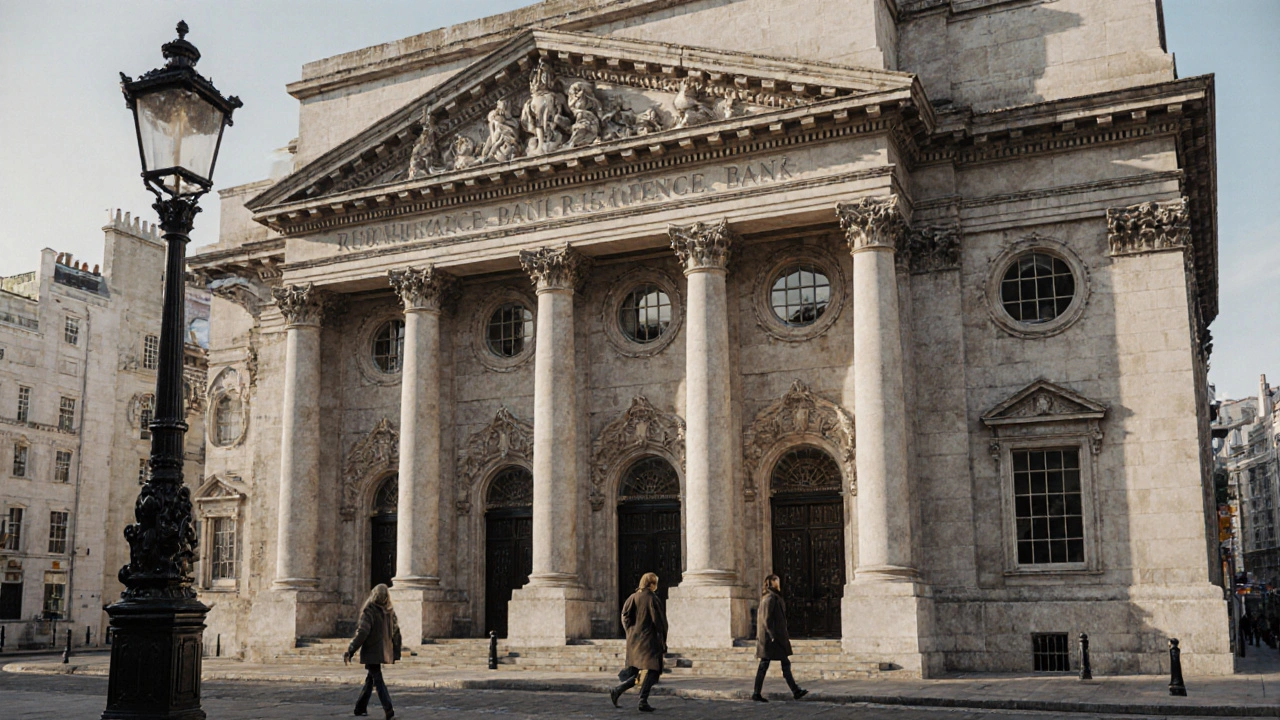
Exploring the Grandeur of Renaissance Revival Architecture
Renaissance Revival architecture brought classical symmetry, arched windows, and palazzo-style grandeur to 19th-century buildings worldwide. Discover its key features, global examples, and why it still shapes our cities today.
Read more